A million in 5 years in the countryside: who became a rural culture worker in Tatarstan
Real stories of program participants: from moving from Moscow to settling in Arsk and working in rural cultural centers
In Kazan, the deadline for applications for the “Rural Culture Worker of the Republic of Tatarstan” program has been extended to August 10. While 20 people were accepted in the first year, the intake has now been expanded to 50 workers — all of whom will receive 1 million rubles provided they work in rural areas for five years. Realnoe Vremya spoke with some of last year's winners: some returned home for the new position, while others moved from Moscow to a village.
One million rubles and a five-year job guarantee
A “Rural Culture Worker of the Republic of Tatarstan” is someone who will work in villages, workers' settlements, urban-type settlements, or towns with a population of up to 50,000 people. A special list contains 128 vacant positions in specific localities: artistic director, director, choreographer teacher, head of department, accompanist, sound engineer, drama actor, ballet master, and others. Some of these vacancies have been open since 2023 — including the position of chief director at the Menzelinsk Tatar Theatre.
It is not easy to recruit 50 participants, so the application deadline has been extended to August 10.
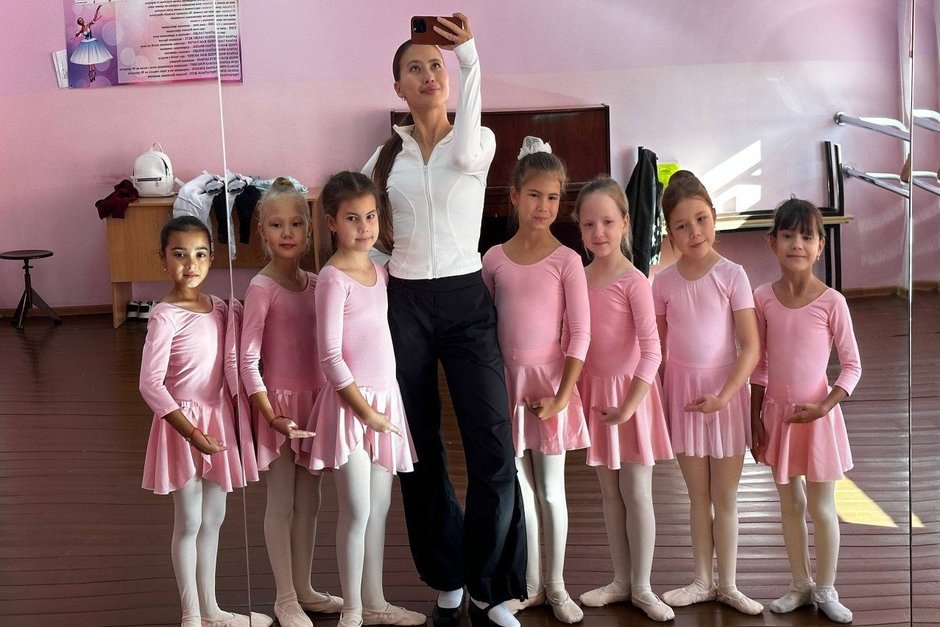
Some specialists work in the same place where they were born. This was the case for choreographer Dina Sultanova — after the Kazan Institute of Culture, she found herself back in her native Arsk, at the children's art school.
— Even during my studies, I realized that the hustle and bustle of a noisy metropolis was not to my liking, and it would be great to work where I grew up, where I studied myself, — says Sultanova. — The prospect of moving to a district did not scare or embarrass me at all. I don't need to spend hours on the road, there are no traffic jams, which leaves more time for family. The decision to participate in the program was a conscious one. For a young specialist after graduation, it is especially important to have a stable job in one's profession and support at the start of one's career. What attracted me to this program was precisely the guaranteed employment, the opportunity to immediately start professional activity and gain practical experience.
Sultanova used part of the money to build housing. She also purchased musical equipment, rehearsal dancewear, and plans to improve her qualifications. Her working day at the children's art school usually starts at eight in the morning. First — classical dance.
— At the barre, children learn the correct positioning of the body, arms, legs, and head. I am convinced that the foundation of any dance direction is classical choreography. It helps develop discipline, coordination, and the ability to control one's body, — says Dina Sultanova.
Then come classes in folk-stage dance, and at the end — rhythmics. After that, the choreographer goes home for lunch, followed by classes with the second group of second-grade students on the same program. Towards the evening — meetings with members of the concert group, staging new numbers, and perfecting already staged dances. “For older students, I always include exercises to develop strength, endurance, and strengthen all muscle groups," says Dina. Late in the evening, she has classes with a fashion theatre.
— Every working day of mine is filled with movement, creativity, and communication with children. It is the opportunity to see their successes, professional growth, and sincere love for dance that inspires me to continue working, — the choreographer shares.
How Alexander Kozlov left Moscow
But not only locals participate in the program. Alexander Kozlov has already become a star of the “Rural Culture Worker” program — the head of the Mikulino Rural House of Culture in the Aznakayevo district came to Tatarstan from Moscow, where he studied at the Institute of Culture and Arts as a trumpeter, also becoming a conductor of a brass band and a head of a cultural institution.
Kozlov played in the Central Concert Exemplary Orchestra of the Russian Navy and worked in Khimki at the Central Children's School of Arts. And then he moved to Tatarstan to a village of 312 people. In addition, he teaches brass instruments at the children's art school in the settlement of Aktyubinsky. And in Aznakayevo, you can hear his trumpet in the local brass band of the Palace of Culture.
Alexander applied to other regions as well, but he particularly liked the approach of our TatKultResourceCenter staff, who handled the application selection. In Mikulino, he lives with his wife in a house with a small plot of land, which he has already purchased. His wife works at the same cultural center as an artistic director. Activities include a yoga circle, an aikido section, and an experimental gardening club.
— My working day starts at 9 am. The main difference from Moscow is that it takes me two minutes to get to work, — says Alexander Kozlov. — We have an irregular schedule, but there is practically no work during lunch. For example, I work from 9 to 11, mostly methodological work, and then I start again at 5-6 pm and work until 11 pm on club activities.
The Kozlovs have already started raising chickens, although they appreciate the quality of products in local stores. On the question of whether he has managed to fit into the new place, Alexander reflects:
— It's hard to say, because it's a leadership position, and you can't please everyone. We try to find a balance between the demands of the administration and the residents by holding more events. I submit a plan for the month, and then residents come up and say we need to hold this and that.
Attracting villagers to events is not easy. The most popular event is a concert by an Aktyubinsk rock band, which attracted about 35 people.
Village actors are also rural culture workers
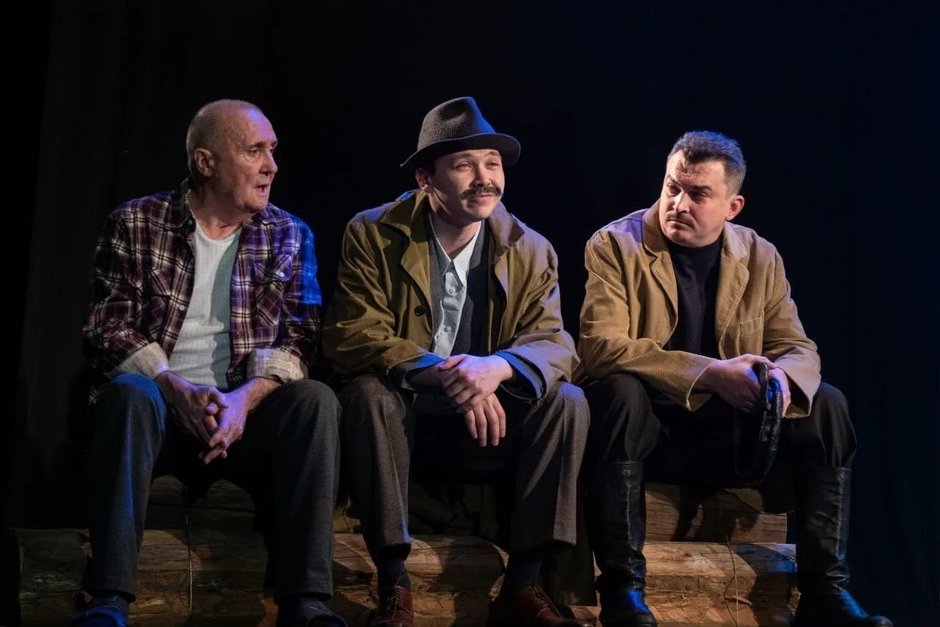
Among the vacancies is also the acting profession. Graduates of theatre faculties are awaited in Buinsk, Menzelinsk, and Atnya. Having graduated from the Yelabuga College of Culture and Arts, Almaz Garipov has already filled one of these positions at the Atnya Theatre, but this year they are also expecting applicants there.
Garipov was born in the neighboring Baltasinsky district. He first studied at the Kukmor Agricultural College, but then realized that being a pastry chef was not his choice. He went to study to become a head of an amateur theatre group and a teacher.
— I initially did not plan to apply for the program, — says Garipov. — But at the same time, I was looking for a theatre close to home so I could go when needed. That was in 2025. This year, new actors have already come to us; some, I think, are also applying for the program. I like that we have many tours; if I were sitting in one place, I would feel strange.
In Atnya, Garipov, like many actors, has a service apartment. He plans to spend the money allocated under the program on buying either land or a car. You can see this actor in several plays, including “Bähetemnän uzyp baryshly” by Ildar Yuzeyev (role of Anvar Sadykov), “Bez bit avyl malae” / “We Are Village Guys” by Tufan Minnullin (role of Galimzhan), in the fairy tale “Myrrrau! Batyr” (role of assistant Rizvan), and “Bähetsez eget” / “The Unfortunate Youth” by Galiaskar Kamal. Not bad for one year!
All applicants must be ready to work full-time in the position for five years. Winners receive 1 million rubles. There are other support measures — in villages and workers' settlements, payments for housing and utilities are “covered," and representatives of some professions are allocated land for six years for individual housing construction or personal subsidiary farming.