Most corruption loopholes found in subsidies and grants
The Ministry of Justice of Tatarstan has reported on the detection of corruption-prone factors
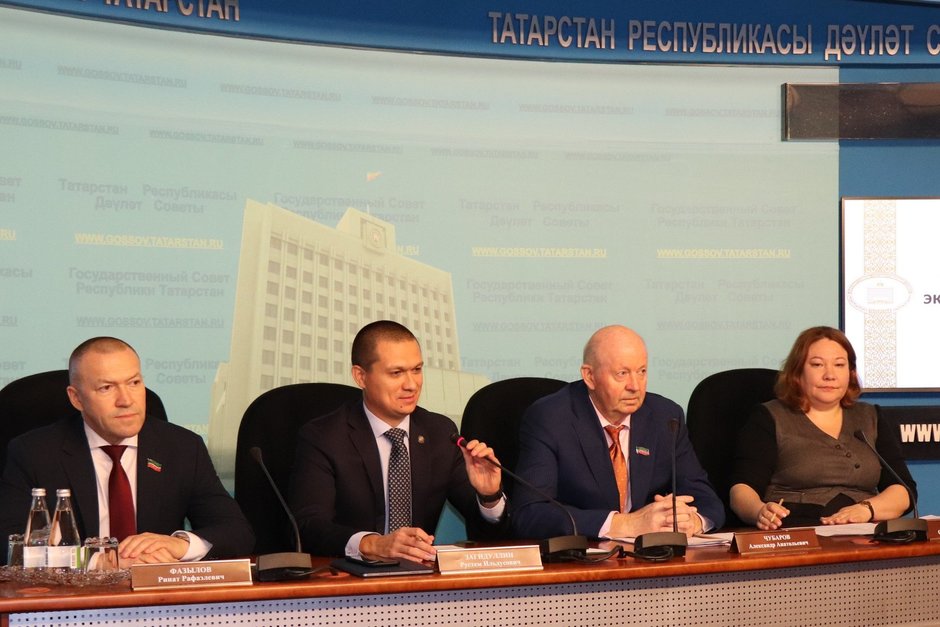
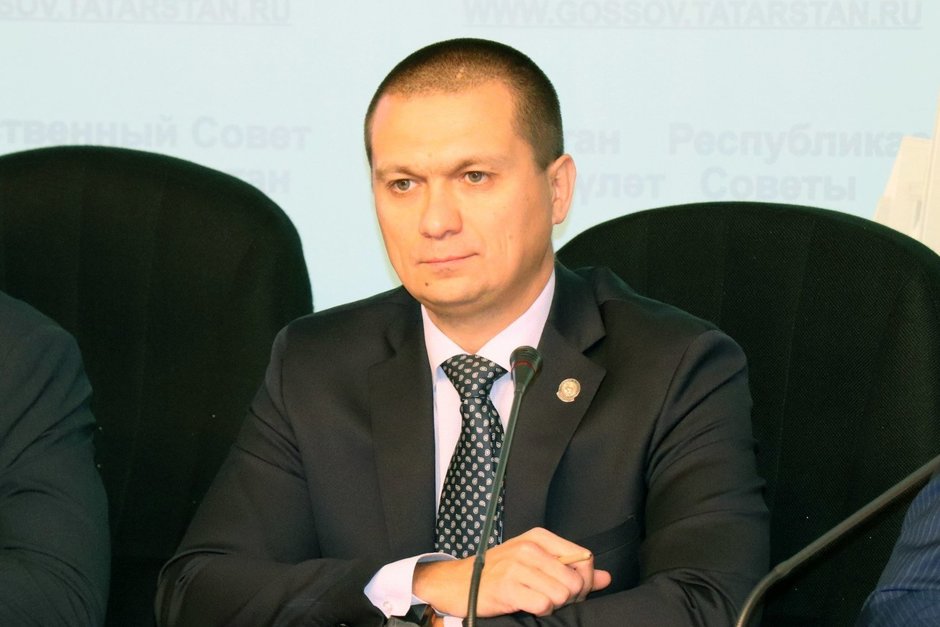
Over the first nine months of this year, the Ministry of Justice of Tatarstan conducted an expert review of 1,815 draft laws, decrees of the rais and resolutions of the Cabinet, the head of the department, Rustem Zagidullin, reported. Corruption-prone factors were identified in 31 of them, or in 1.7%. According to the minister, violations were most often found in projects related to subsidies and grants. Examples and ways of addressing anti-corruption issues are presented in the report by Realnoe Vremya.
Corruption factors identified in only 1.7% of documents
Yesterday, the world observed International Anti-Corruption Day. And today, in the State Council of Tatarstan, representatives of relevant ministries and committees explained how the republic combats bribery in one particular area — during the review of draft laws and other acts. As the republic’s Minister of Justice Rustem Zagidullin stated, this review is multi-stage. At the first stage, the review is carried out by the developers — this is required by federal law. At the second stage, the Ministry of Justice becomes involved.
A total of 1,815 documents underwent the ministry’s anti-corruption review. These included 80 draft laws, in which no corruption-related factors were identified, as well as 89 draft decrees of the rais and 1,646 draft Cabinet resolutions. In 31 of them, 44 corruption-prone factors were found.
“Most of these projects concern the provision of subsidies and grants,” the speaker noted.
“They write: ‘Within 30 days,’ but from which moment should we start counting?”
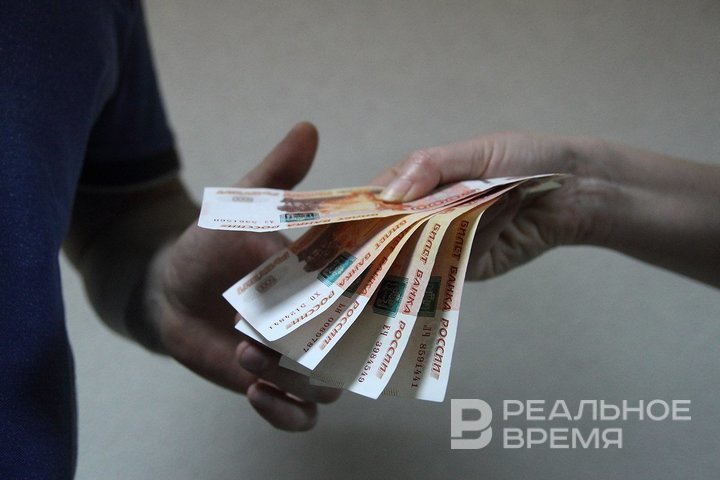
“In one of the projects, the possibility of refusing to issue a grant was provided, yet the grounds for refusal were not disclosed. This creates a situation in which the body providing the grant and the officials on the commission can determine at their discretion whom to refuse and whom to approve,” the minister gave an example.
He emphasised that the system for providing subsidies and grants must be structured in such a way that applicants initially understand which documents are required and on what grounds they may be refused, so that they can prepare properly and be potential recipients of support.
Another project that failed the review proposed making decisions on subsidies based on a points-based evaluation of applications. However, the criteria “were not described at all,” the Minister of Justice said.

“We often encounter cases where timeframes are not defined. For example, in one of the procedures, the deadline for making a decision on awarding a grant had not been set, which also allowed the process to be delayed. There are frequent cases when a timeframe is set but the starting date is not clarified. They write: ‘Within 30 days,’ but from which moment should these 30 days be counted? This is also considered a corruption-prone factor,” Rustem Zagidullin explained.
No corruption-prone factors found in ministerial orders
In addition to reviewing projects, the ministry also conducts anti-corruption assessments of departmental acts — these are orders of ministries, state committees, administrations and agencies. All of them must undergo state registration in the Ministry of Justice and be published. “These are two mandatory conditions for orders to enter into legal force and begin to apply in Tatarstan,” Zagidullin stressed.
From January to September, the ministry reviewed 936 departmental acts. Not a single corruption-prone factor was identified. Additionally, the ministry collects statistics on anti-corruption work carried out by republican authorities and local self-government bodies. The former conducted reviews of 1,237 projects, finding corruption-prone factors in 17. According to the minister, the figures last year were similar.
Local self-government bodies reviewed almost 16,000 projects and identified 67 corruption-related factors — slightly fewer than last year.
“One of the measures to prevent corruption is the conduct of independent expert reviews, carried out by independent specialists. They must be accredited by the Ministry of Justice of the Russian Federation. As of today, 27 independent experts are accredited in the republic,” the speaker added.