Two small peoples of the world created “The Trail”
Tatars and the Yi people are preparing a performance for China, which was first seen by audiences at MOÑ
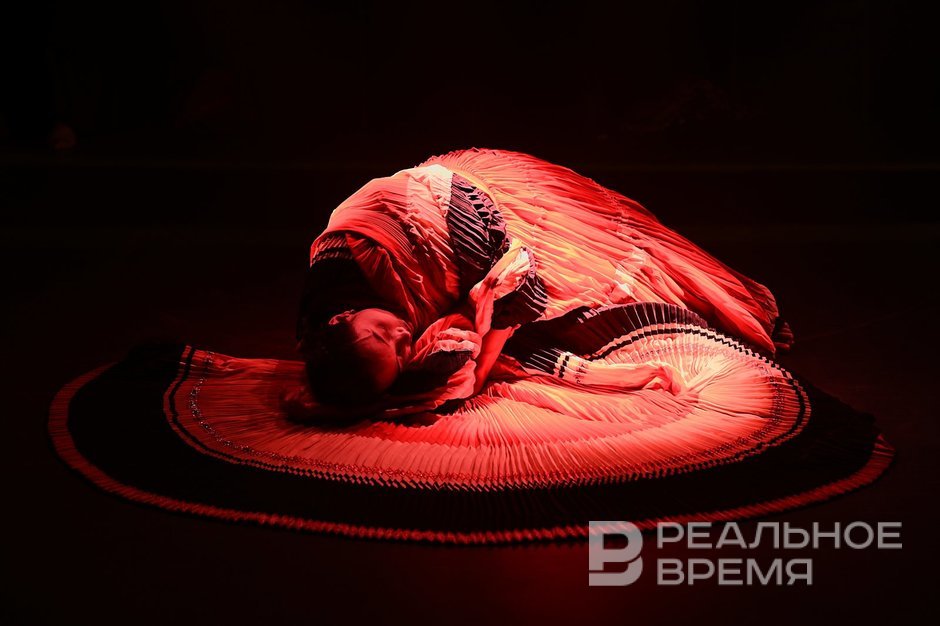
The cultural program of the “ROSTKI” forum continues. While the Kamal Theatre was finishing its screenings of excerpts from Sichuan opera, the MOÑ theatre venue was showing the performance “The Trail” / “Ez”. The project, within the framework of anthropological theatre, was born from the Kazan association “Alif” and the “Daliangshan” theatre festival, combining the traditions of the Tatar people and the Yi people. After Kazan, it will be shown in China in November, and later a tour is planned to cities where representatives of the Yi people live.
They also have their own kurash
The Yi people, also known as the Nuosu, are about 8–10 million people, mainly living in China and Vietnam. The Yi have 9 related languages, but they communicate with each other in Chinese; the problem of losing their native language is relevant for them, although recently the number of speakers has begun to increase. The Yi had their own state, Dian, which later became part of the Han Empire. They write in the Latin script. What unites the two peoples is the presence of similar holidays — Sabantuy and the Torch Festival. As well as belt wrestling and horse racing.
The joint project with “Alif” was born thanks to the support of the Rais of Tatarstan, the Ministry of Culture of the Republic of Tatarstan, the Liangshan Cultural Tourism Group, and “Wucai Yunxia New Arts”. It all started with “Alif's” trip to the “Daliangshan” festival in November last year with the performance "Älif”, in which Nurbek Batulla dances the Arabic letters that make up Gabdulla Tukay's poem “Native Language” (“Tugan tel”), accompanied by Turkic instruments and the singing of three vocalists. They are also on stage in “Ez” — Tatyana Efremova, Adelya Mubarakova, and Venera Shaydullina. Here they are dressed in the national costumes of Kryashens, Bashkirs, and Tatars, respectively.
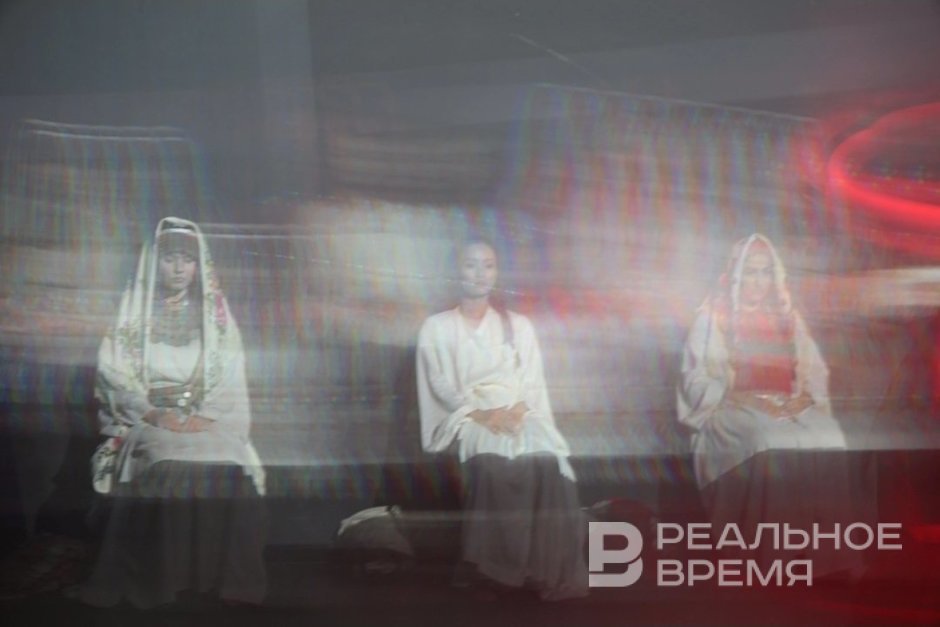
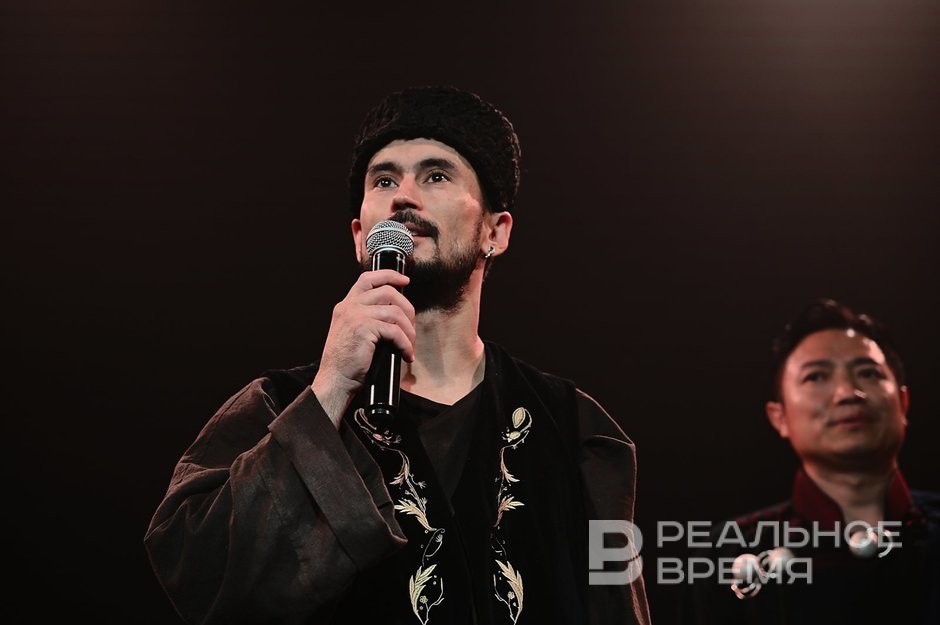
— After "Älif”, the festival producers, Ms. Li Ting and her husband, approached us, — says director Tufan Imamutdinov. — They said that we work very well with heritage and suggested we try to do something with the Yi people. What was shown today is not the full version; we want to add a few more episodes. In November, the performance will be shown at the “Daliangshan” festival, and after that, a tour is planned to the regions where the Yi people live.
It is worth recalling that one of Imamutdinov's first projects in Kazan was the play “War Through the Eyes of Children. Fragments” at the Youth Theatre, which initially also featured Germans. For the Chinese project, Tufan was assisted by co-director Chen Beijia, a graduate of the St. Petersburg Russian State Institute of Performing Arts. Performer Nurbek Batulla also studied there. The artist is Lilia, Imamutdinov's wife, who has worked on many of his projects. The permanent composer of “Alif”, Islam Valeev, is also familiar to us. And the multimedia is handled by Rashid Osmanov, the founder of the “Nur” festival, so lasers were a must. Choreography is also handled by Marsel Nuriev. The performance was born in July–August; one could say that a couple of weeks ago it didn't even exist.
Searching for the common and the different
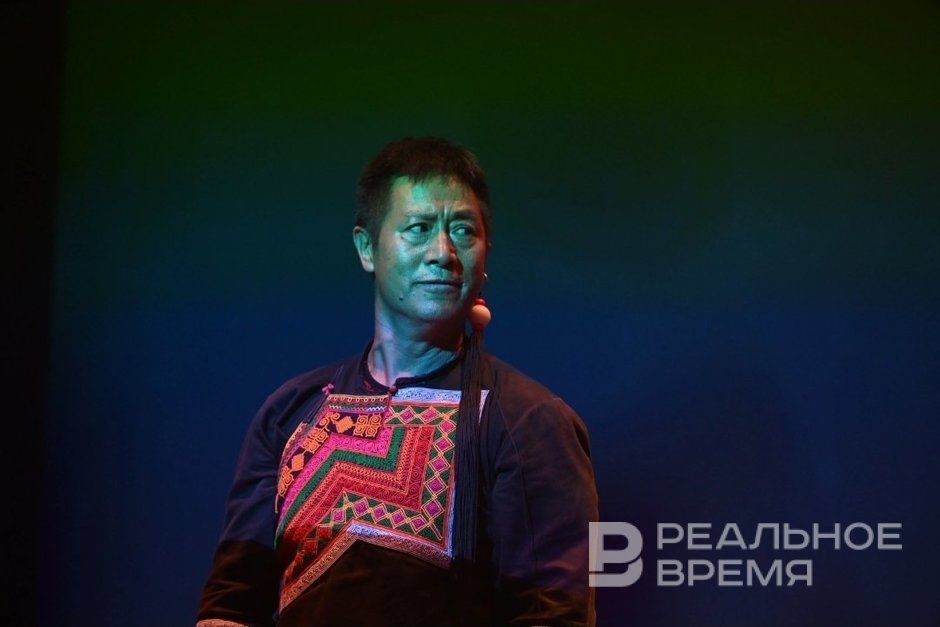
— We improvised a lot, moved, watched, talked, so much was born collectively, — says Nuriev. — Some things were suggested by me, some by Nurbek or Wu Zimo: I watched her solo performances, watched what physicality spoke in her. She also suggested ethnographic elements, which also came out in a stylized form. We tried not to ignore the points of contact that exist in the cultures as much as possible.
— I think that what I dance from the Tatar tradition is already in my physical memory, — says Batulla. — When we rehearsed, I saw both the differences and the similarities. The Yi people, as a small nation, actively preserve their heritage, sometimes even too zealously. I think in China we will play some things more carefully, because they are watched.
Ms. Li Ting became not only a producer but also the playwright of the performance, which is built as a series of episodes from the birth of the people, a man (Batulla) and a woman (the graceful Wu Zimo), to rebirth. And all this through a chain of ritual songs of the two peoples, starting with a lullaby, continuing with wedding, recruitment, work songs... Among the Yi, men sing a lot, explains Imamutdinov, so on their side is a male choir of four people, one of whom, Sheng'er Apei, also plays the role of the girl's father. Their voices range from a rumble to a resounding cry.
From birth to rebirth
Voices soar over the ambient music created by Valeev, which only occasionally turns into a beat. In Batulla's movements, there are indeed Tatar elements, something reminiscent of martial arts, and movements borrowed from colleagues.
At the same time, the authors do not mindlessly mix the two traditions. The main synthesis happens through songs. And so the wedding of the heroes has a distinctly foreign tinge, since the guest from China gives his daughter away in marriage. But the birth of a child, going to war, and especially the death of the father are supranational phenomena, the most joyful and tragic. On the battlefield, one can see the “classic” Batulla, strainingly going beyond the limits of his body's capabilities, and it seems that this is the finale.
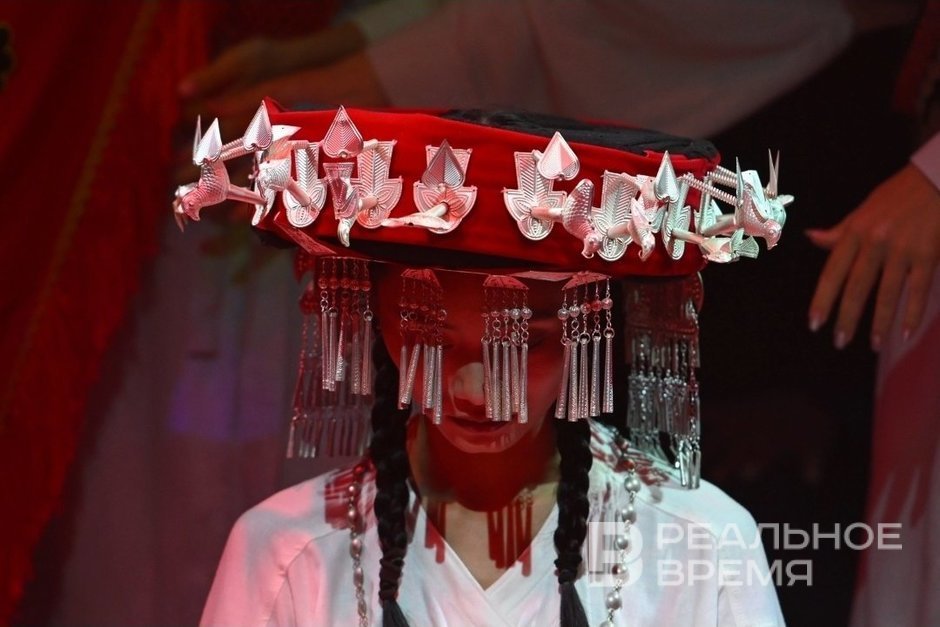
But the performance does not end there. An important part of it is the costumes. Here you can see the bright outfits of the men, the Turkic costumes of the singers. And, a rare case, Nurbek Batulla in a Tatar camisole. There are also many skirts of the Yi women, which at the end turn into a long, almost endless skirt, symbolizing that very rebirth.
It is obvious that this performance will be seen by more audiences in China, since the MOÑ hall, even with the tightest seating, can hold no more than 240 or so people. So we await the tour, where audiences will learn that the Tatars number about 6–7 million people, mainly living in Russia. The Tatars have dialects, as well as languages similar to Tatar, but many communicate with each other in Russian; the problem of losing their native language is also relevant for them, although recently the number of speakers seems to have begun to increase.