Underpants, kisses, and cockroach milk: the 2026 Ig Nobel Prize
Plus — the treachery of the rich, 3D printing through a mosquito's proboscis, the aerodynamics of nose-blowing, and other scientific achievements
The Ig Nobel Prize ceremony was held in Zurich. For the first time in its history, the ceremony did not take place in the US: this is due to the tightening of visa and immigration policies in the country. However, the change of venue did not affect the quality of the laureates' selection. How to precisely define a kiss, why Swiss farmers buried 1,000 pairs of underpants in the ground, what the mosquito's proboscis can be used for, and which milk is more nutritious — cow's or cockroach's — in the special science news edition from Realnoe Vremya.
Who won the 2026 Ig Nobel Prize
Biomechanics Prize: what a kiss is
Awarded to Mathilde Brindle, Katherine Talbott, and Stuart West, who developed the most precise definition of a kiss. Write this down: it is “non-agonistic interactions involving directed intraspecific oral-oral contact with some movement of the lips/mouthparts and without food transfer.” The British-American team of Mathilde Brindle established that, by this definition, not only humans kiss. White bears, some birds, and even ants are also keen on it, not to mention other primates.
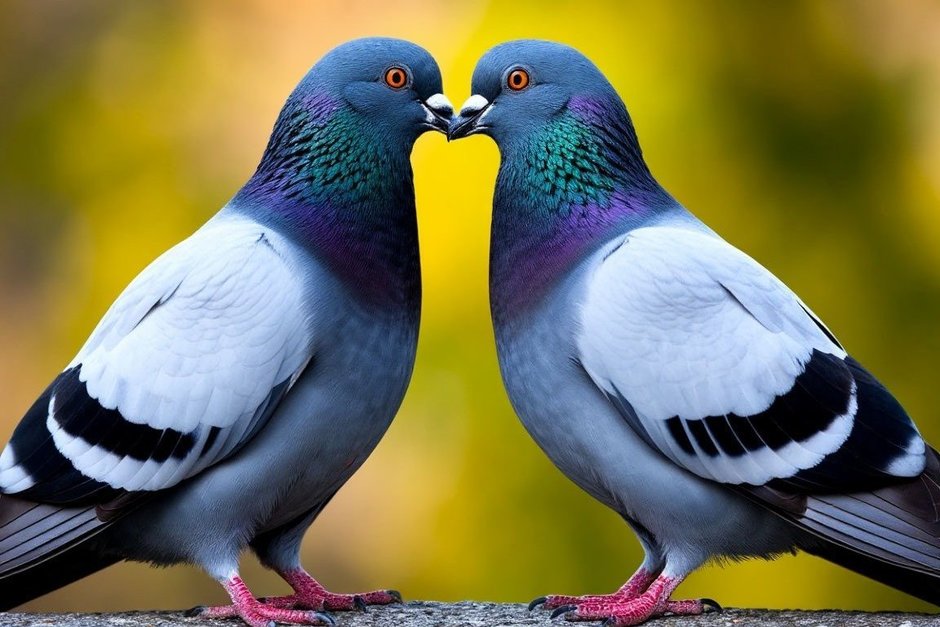
The scientists traced “kissing” behavior back to approximately 21.5 million years ago, to the ancestor of all great apes. By the way, Realnoe Vremya described this research back in November of last year in the “Interesting Science News” section.
Economics Prize: the rich steal candy from children
Awarded to an international group of scientists from the US, Mexico, and Canada — Paul Piff, Daniel Stancato, Stéphane Côté, Rodolfo Mendoza-Denton, and Dacher Keltner — for gathering evidence that members of the upper class are more likely than the proletariat to steal candy from children's supplies (!) and display other types of unethical behavior.
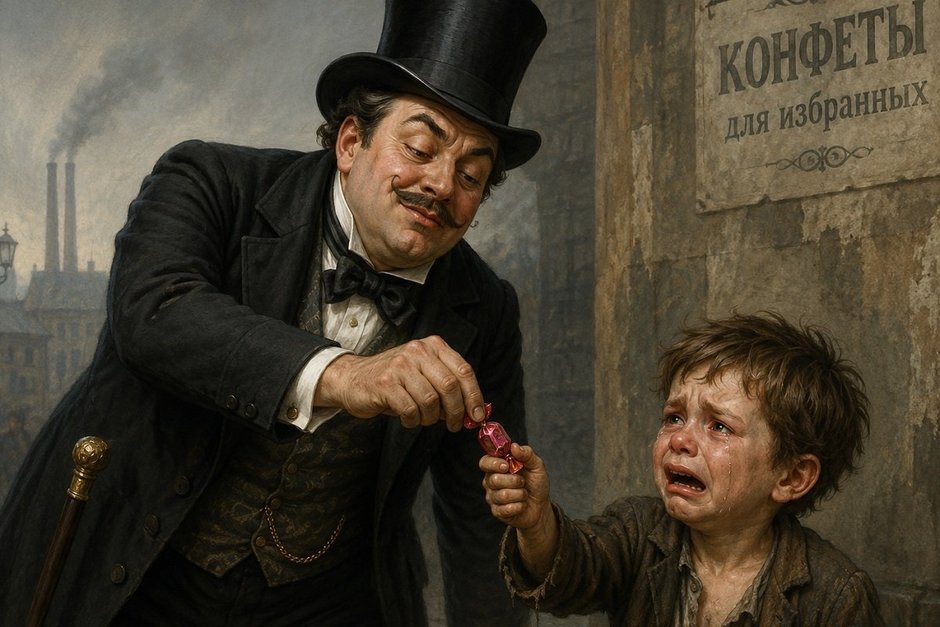
Paul Piff describes that wealthier people are more likely to cut off pedestrians, lie at work, and cheat in games to win small sums of money. In short, it has been scientifically proven: poverty is not a vice; quite the opposite.
Chemistry Prize: cockroach milk is three times more caloric than cow's milk
Sanjari Banerjee, Nathan Coussens, François-Xavier Gallais, and other scientists from India, France, Japan, and the US were awarded for their research on cockroach milk. More precisely, they discovered that the protein crystals of “milk” from viviparous cockroaches contain three times more energy than similar proteins from our cows.
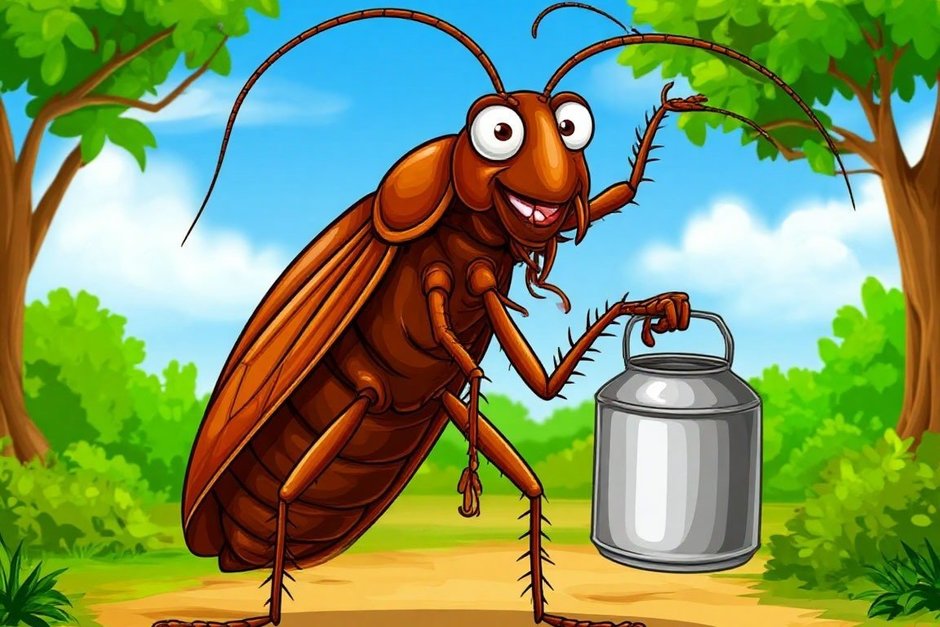
The scientists studied the crystalline lattice of this protein and found that this unique form of storing nutrients for developing cockroach embryos provides constant access to a complete diet. This “milk” is produced in the cockroach's midgut.
Medicine Prize: how to blow your nose
This prize was awarded posthumously. Japanese otolaryngologist Professor Tokuji Unno died in 2022 at the age of 89. But back in 1977, he managed to write a fundamental work: “How to Blow Your Nose — an aerodynamic study of nose-blowing.” The professor was a specialist in respiratory physiology, so he was interested in all aspects of the process.
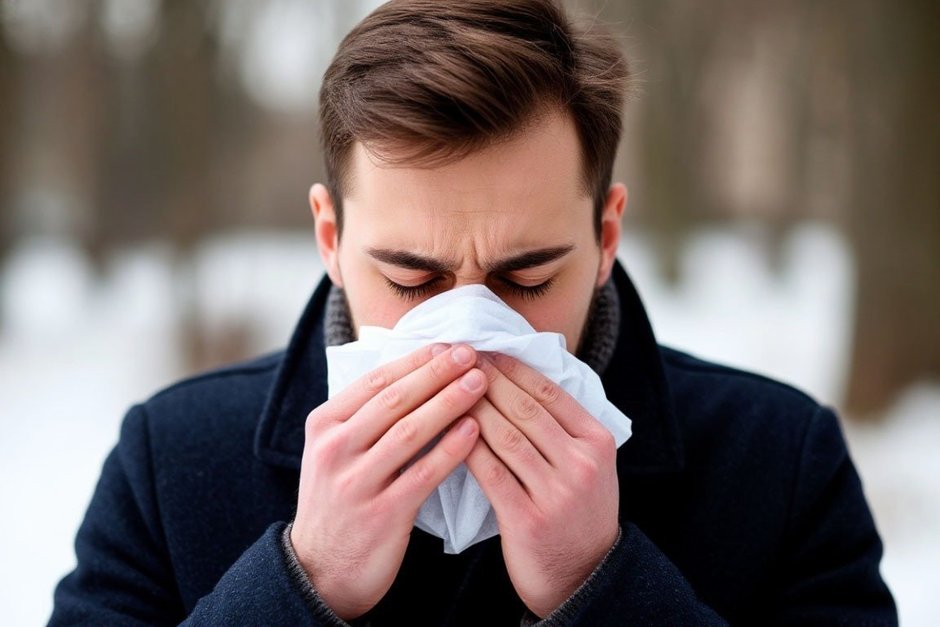
So, take out your double notebooks again and copy from the scientist's paper: “for optimal nose-blowing, one should take a moderate inhalation, then a strong exhalation and blow each nostril separately. Such methods can clear secretions from the lower airways in the chest area in addition to the upper ones, helping to prevent respiratory diseases.”
Don't mention it.
Biology Prize: which part of a snake to step on to guarantee a bite
The prize was awarded to scientists from São Paulo: João Miguel Alves-Nunes, Adriano Fellone, Selma Maria Almeida-Santos, Carlos Roberto de Medeiros, and their other colleagues. This research group, at risk to their own lives, described under what conditions a venomous snake is most likely to bite you. For this, the scientists conducted experiments: carefully stepping on different parts of various venomous snakes — repeatedly, at different temperatures, and at different times of day.
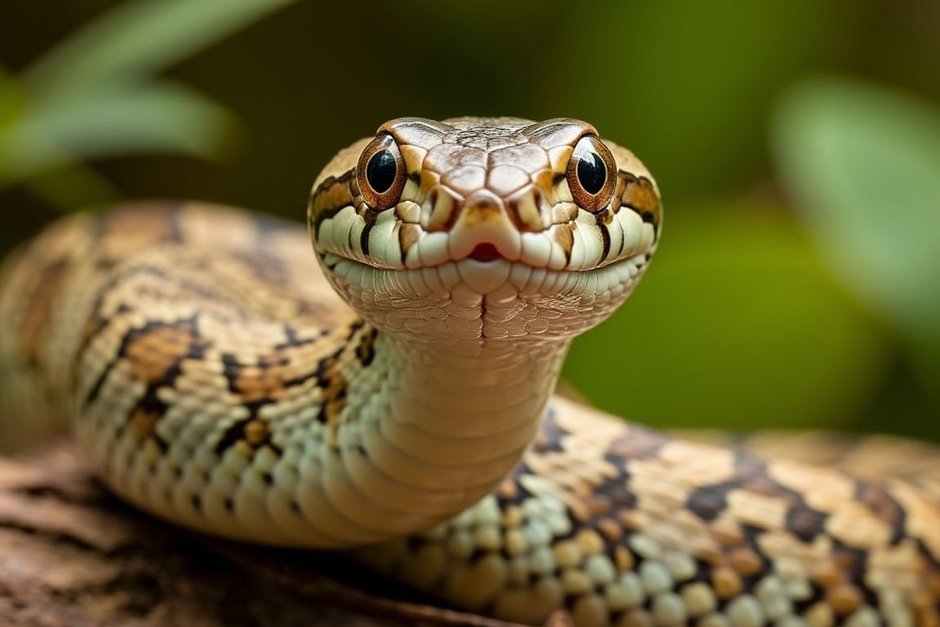
According to the Brazilian biologists, snakes bite mainly in self-defense. Therefore, stepping on them is categorically not recommended: “upon physical contact, both female and male snakes are intolerant to the stimulus, regardless of size and time of day.” Scientists particularly advise against stepping on a snake's head: the probability of a bite is 44%. If you absolutely must touch a snake with your foot, choose the middle part of the body (20% bite probability), or better yet, the tail (11%).
Good luck!
Physics Prize: a splash-free urinal
Scientists from Canada, the US, China, and Saudi Arabia — Randy Hurd, Zhao Pan, Tedd Truscott, and Kavishan Thurairajah — decided: “Enough is enough!” And they set about theoretical and experimental attempts to design a urinal that prevents splashing.
Zhao Pan, a fluid dynamicist, admitted that the work was inspired by observations after using urinals while wearing sandals and khaki pants. The authors describe the acute social significance of the study in the introduction to their scientific opus.
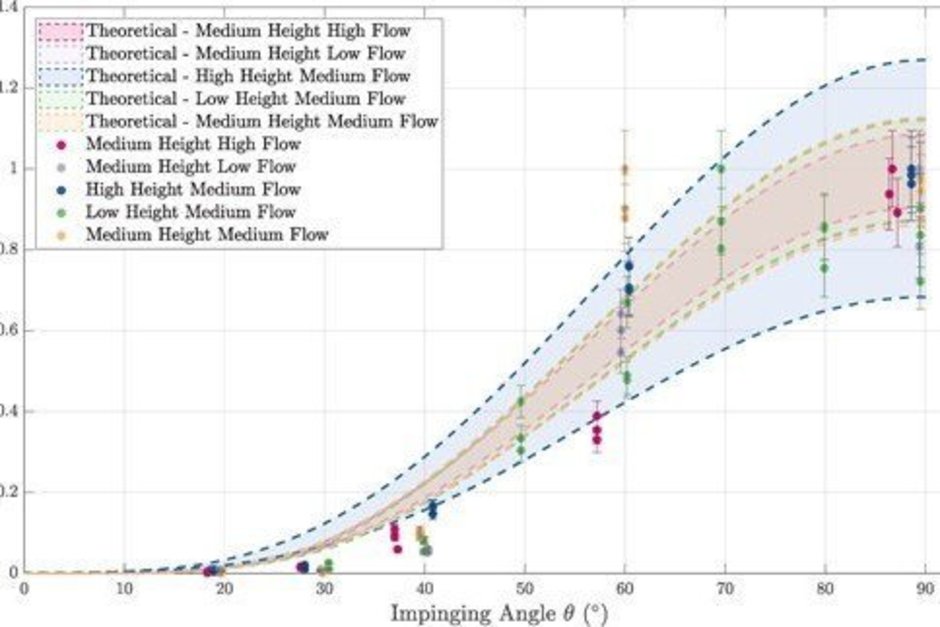
The result is inspiring: the team proposed design options that reduce splashing to 1.4% of the usual level. In their paper, they write that the designs were developed “by solving differential equations derived from the isogonal curve problem.”
Technology Prize: 3D printing through a mosquito's proboscis
Scientists from McGill University (Canada) — Justin Poom, Yang Zheng, Evan Johnston, Zhang Cixin, Lan Xiaoyi — and their colleagues received the Ig Nobel Prize for their innovative use of the mosquito's proboscis as a nozzle for high-resolution 3D printing. This process — where body parts of dead insects are used as working elements of equipment — they called “necropriting.”
The Canadian engineers conducted a major casting call: they studied the stingers of bees, wasps, and scorpions, and the fangs of venomous snakes. The mosquito's proboscis was perfect — straight, long, rigid enough, and tiny. Its inner diameter is 20–30 microns. Engineers have been trying to reproduce this geometry in artificial nozzles for years.
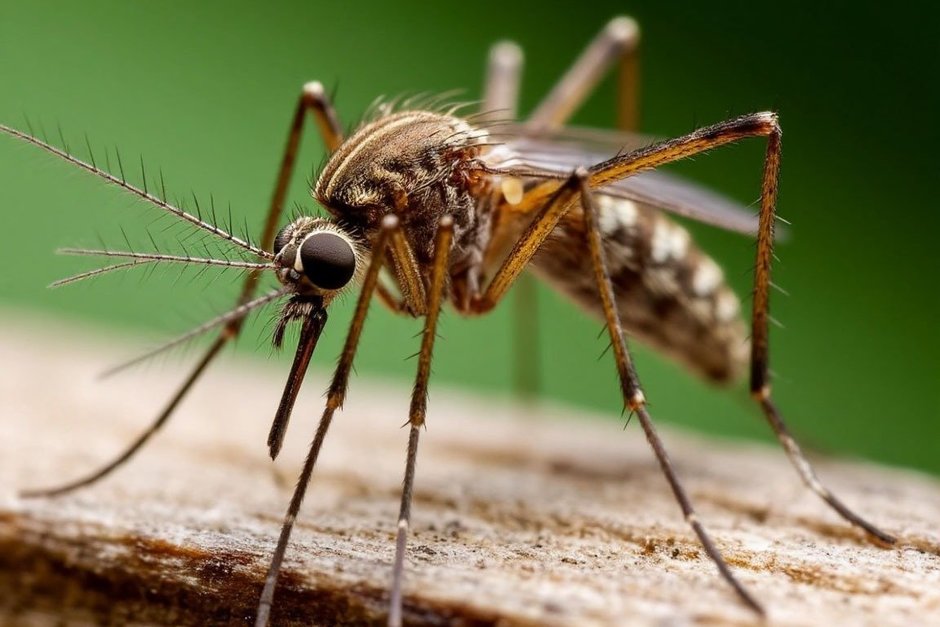
The result of “mosquito” printing is a resolution of 18–22 microns. This is twice as effective as the best world analogues. During testing, they managed to print micro-honeycombs, a tiny maple leaf, and scaffolds for cell growth.
They just didn't think of printing a horseshoe for a flea.
Olfaction Prize: fragrant babies and stinky teenagers
A team of Polish, German, and Swedish scientists — Ilona Croy, Tomasz Frackowiak, Thomas Hummel, and Agnieszka Sorokowska — convincingly proved that babies smell wonderful to their parents, while teenagers do not. It was previously known that the smell of one's own child activates reward areas in the parents' brain. Thus, body odor strengthens the parent-child bond. But little was known about how this perception changes as the child grows.
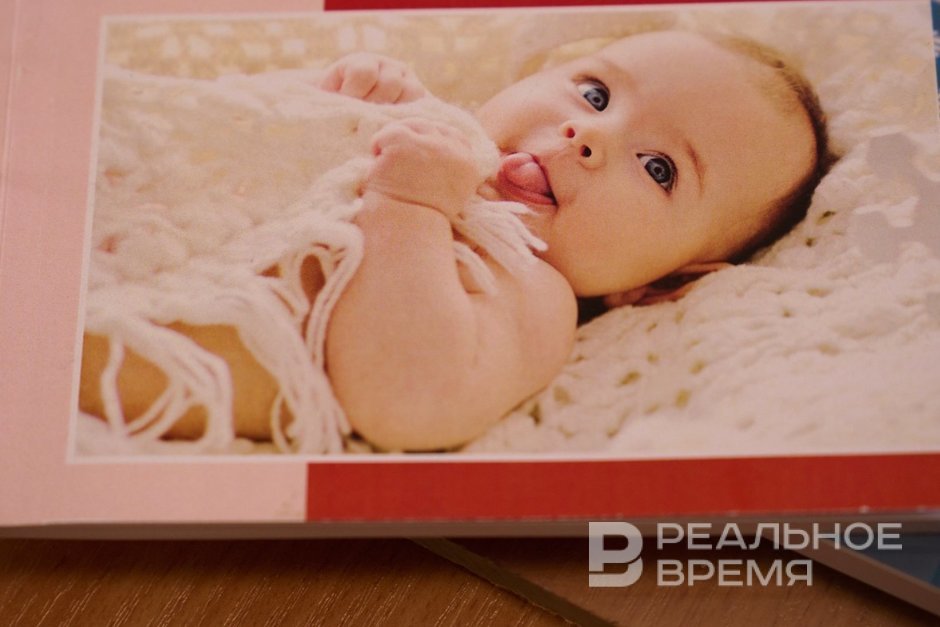
The scientists, without further ado, surveyed 235 different parents and conducted a comprehensive statistical evaluation of the results. They found that the older the child, the worse (in the parents' perception) they smell.
Ig Nobel Peace Prize: the enemy of your enemy is your friend
A group of scientists from the US, Argentina, and Australia conducted research showing that people value friends more who are hostile towards those we dislike. The tendency to “befriend against” someone is now scientifically proven. And a kind person is not always perceived as a better friend than a mean one.

Sociologists conducted six studies and discovered several patterns. One is the preference for mean friends who hate your enemies alongside you.
In short, it is becoming clear why Leopold the Cat has no friends.
Soil Science Prize: burying underpants in the ground
Soil biologists Franz Bender, Marcel van der Heijden, Atlant Bieri, and Pia Viviani (Switzerland, the Netherlands, Germany) created perhaps the biggest sensation of this year's Ig Nobels. With the help of ordinary people, they buried 1,000 absolutely identical pairs of cotton underpants across the territory of Switzerland. Two months later, they dug them up and studied what had happened to the fabric.
In this way, the scientists assessed the biological activity of the soil. If the item had almost completely decomposed after two months, it meant the soil was good, and its microbial community, insects, and worms were efficiently processing organic matter.
Importantly, the study was conducted as a citizen science project and was organized to raise public awareness about the state of soils in Switzerland. Usually, such experiments use squares of cotton fabric, but this group of researchers decided to go for shock value — to attract as many volunteer helpers from among science enthusiasts as possible. Farmers and amateur gardeners responded with great enthusiasm.
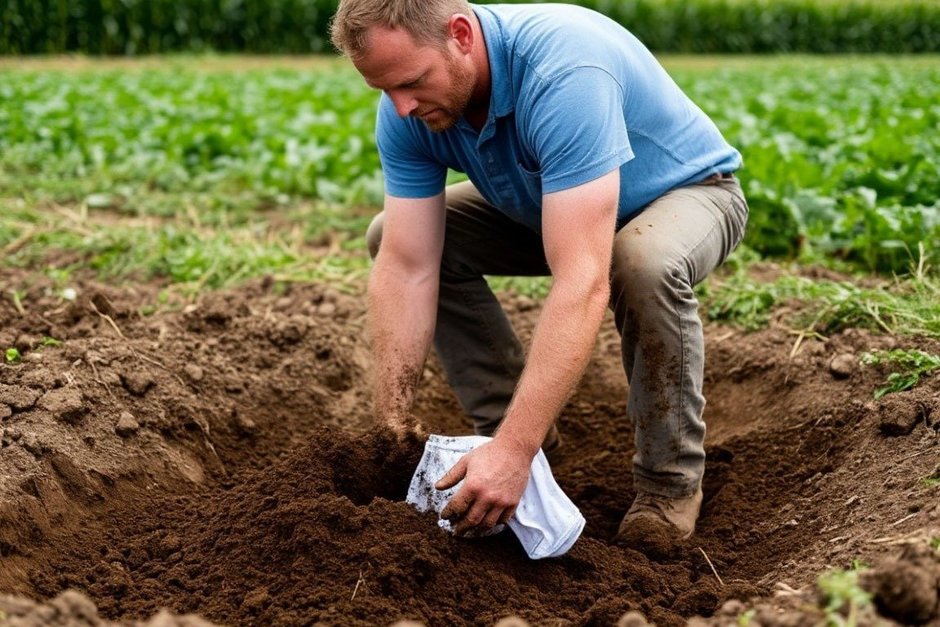
There were no scientific sensations, but the method of conducting the experiment caused a sensation and made it into most of the world's tabloids.
The ceremony moved to Europe
For the first time in the 36-year history of the Ig Nobel Prize, the award ceremony was held in Zurich rather than Boston. Last year's ceremony was marred by the absence of almost half of the 10 winning scientific teams. The reasons were visa restrictions and Donald Trump's policies. As a result, the organizers made the difficult decision to permanently change the venue of the event — the prize is “moving” to Europe. Zurich, Switzerland, readily took on the hosting duties in 2026. Next year's ceremony will be held in Antwerp, and then return to Zurich, where it will be held every two years.
Interestingly, the 1,500 tickets for the auditorium were sold out within days, and the organizing team received comprehensive support in running the ceremony. The University of Zurich even offered institutional funding for the prize — something neither Harvard nor MIT ever did when hosting the Ig Nobels in the US.
Previous years' awards: wombat cubes, sauce physics, moose crash tests
Realnoe Vremya publishes a list of laureates and descriptions of their achievements every year.
- For example, in 2019, we talked about the most disease-carrying banknotes and the cubic feces of wombats.
- In the pandemic year 2021, the ceremony was held online; the subjects of research included a universal human-cat dictionary, a study of the bacterial community of spat-out chewing gum, and politician obesity as an indicator of corruption in a country.
- In 2022, Ig Nobel laureates conducted moose crash tests, studied images of ritual enemas on Maya ceramics, and replaced medications with ice cream.
- In 2024, the Ig Nobel Prize was awarded, among others, to biologists who proved that mammals can breathe through their anuses, chemists who separated drunk worms from sober ones, and mathematicians who flipped a coin 350,000 times and proved it was a fair toss.
- In 2025, the Ig Nobel Prize was awarded to scientists who proved that alcohol improves the ability to speak a foreign language but impairs bat echolocation. Italian physicists also studied the phase transition in cacio e pepe sauce and determined under what conditions unpleasant lumps form in it.
The Ig Nobel Prize (originally the Ig Nobel) is a parody of the Nobel Prize. The Ig Nobel Prize does not bring big money, but it certainly brings fame. By definition, it honors research that makes people laugh, but then makes them think: science is multifaceted, and many studies that seem strange and funny actually bring benefit or become part of great scientific achievements.