The house where Kachalov lived: restoration of historic Mikhailov apartments in central Kazan nears completion
Work on the unique through-passage space expected to finish in three months — premises to be converted into commercial properties
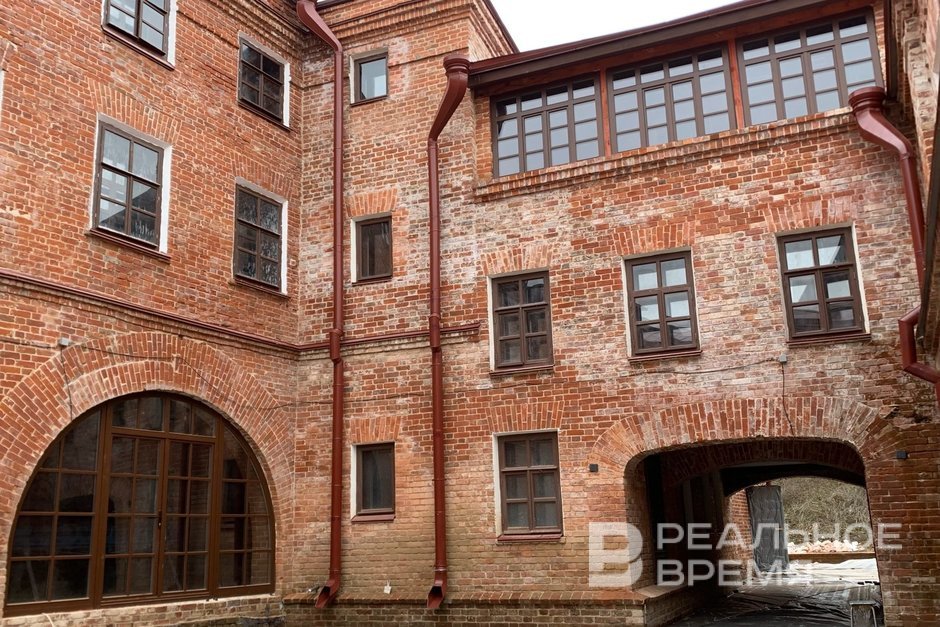
In three months, Kazan plans to complete the restoration of the Mikhailov Apartments — a complex of historic buildings, one of which housed actor Vasily Kachalov. The small balcony where he once used to shave while surveying the city has already been restored. A meeting of the Tatarstan branch of the Society for the Protection of Historical and Cultural Monuments took place today in the renovated tenement house. Read about how to protect Soviet mosaics, the future of the Mergasov House, and what volunteers of the Tom Sawyer Fest will be doing this summer in this report by Realnoe Vremya.
Step out onto the balcony where Kachalov shaved
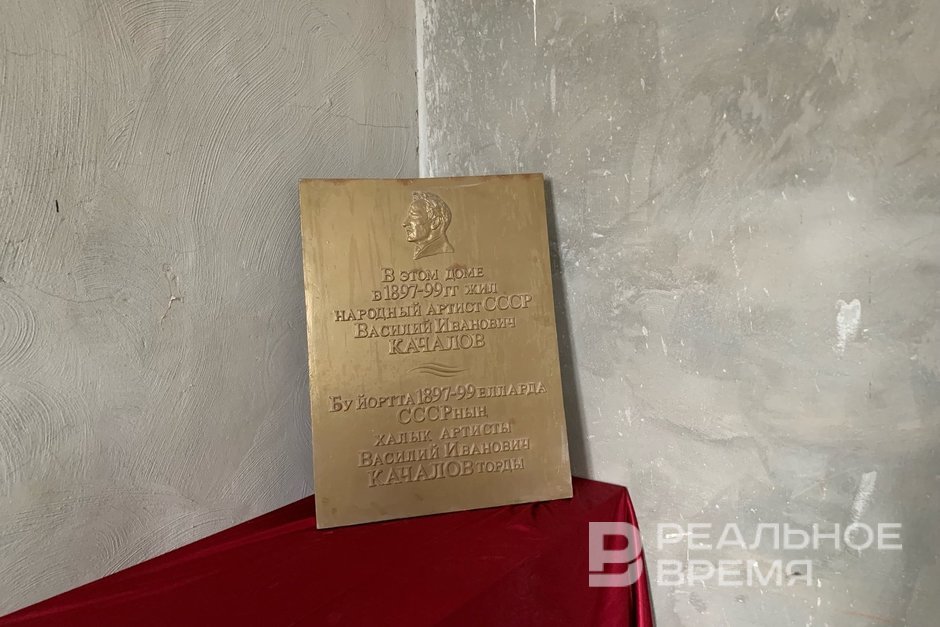
The restoration of the Mikhailov Apartments in Kazan is nearing completion, although work was originally planned to be finished by the end of 2025. The building forms the corner of Lobachevsky and Dzerzhinsky Streets — the space has access to both streets. It is particularly famous for being the place where renowned actor Vasily Kachalov lived for two years at the end of the 19th century.
The exterior and courtyard are expected to be finished in three months, Ivan Nikonov, Director of Restoration Workshops at ASG Group, told Realnoe Vremya. The interior finishing will be basic, left to the discretion of future tenants. The total investment has exceeded 500 million rubles, ASG informed our publication.
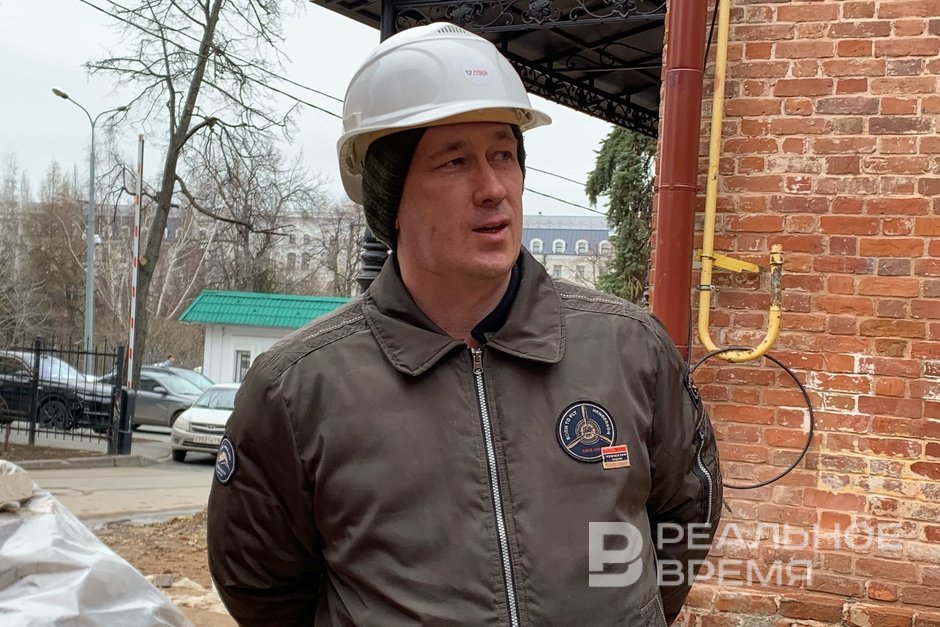
— Construction of the building began in the 1850s. It originally belonged to the parish church. Later, it was sold to the merchant Mikhailov, who developed it as a tenement house. The apartments were mostly rented by aspiring actors and students because of the proximity to theaters and universities. Living here was inexpensive, — Ivan Nikonov said.
As he later clarified, the tenement building dates from 1858. It was here that Kachalov stayed. According to legend, the actor used to shave on the balcony of his room, admiring the views of Kazan. This balcony has already been restored; moreover, the entire structure is “original.” Half of the wrought-iron railing also survived. The other half was recreated based on the original.
Work has been ongoing since the Universiade
However, the complex includes not only this building. In 1879, Mikhailov submitted a request for new construction and began expanding the territory. The result was an entire U-shaped complex. The total area of the property is about 2,500 square meters, says Ivan Nikonov.
So what awaits the other buildings on the site? One of the recreated annexes will feature stained-glass windows and skylights. “Perhaps there will be an interesting catering establishment here, a cafeteria," Ivan Nikonov suggests. An impressively sized basement, consisting of many rooms, has also been preserved. A bar could open there, for example, the restoration director believes.
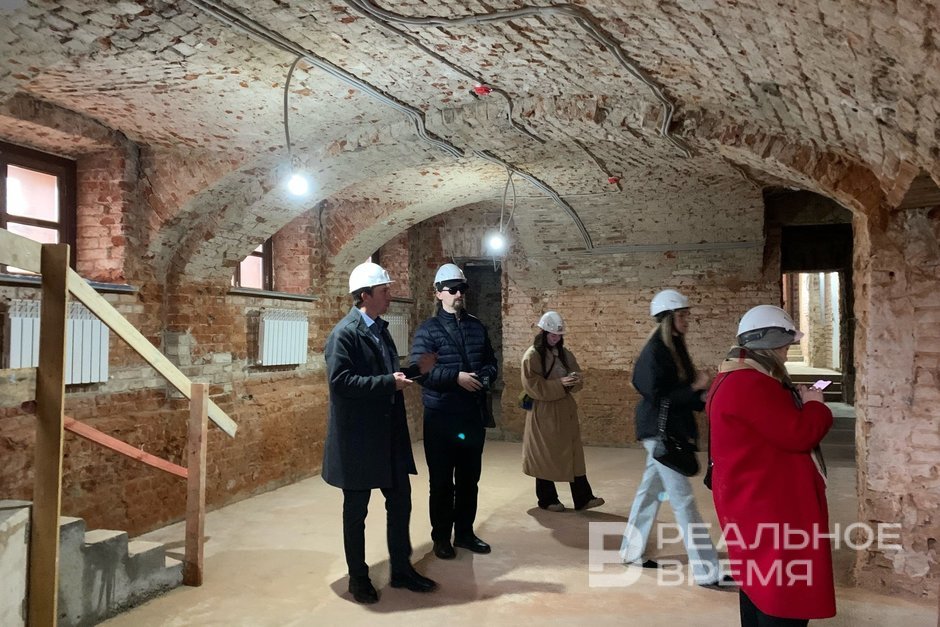
The work has taken several years: in 2013, the building was in disrepair. The first phase — restoration of the facade, roof, and windows — was completed in time for the Universiade. In 2017, karst voids were discovered here. “The foundations were injected, an incredible amount of material was forced in. After that, the building settled, and work continued," the expert said.
What Tom Sawyer Fest will do this season
The fate of other historic buildings in the republic was discussed today in the restored Mikhailov Apartments. A meeting of the Tatarstan branch of the Society for the Protection of Historical and Cultural Monuments (TRO VOOPIiK) took place here. This year marks 15 years since preservation activism began to influence the fate of the city — in 2011, Kazan residents protested against the development of a multi-level parking lot in Black Lake Park.
Stepan Novikov, Chairman of TRO VOOPIiK, recalled the most high-profile events related to cultural heritage sites: the demolition of the century-old building of the former Leningrad District Builders' Club, the construction of noise barriers on the Kirov Dam, and the tense discussions about the future of the Mergasov House. Recently, on a TNV program, Ivan Gushchin, Chairman of the Committee of the Republic of Tatarstan for the Protection of Cultural Heritage Sites, stated that it might be dismantled and reassembled. A decision will be made after the engineering assessment is completed, he said.
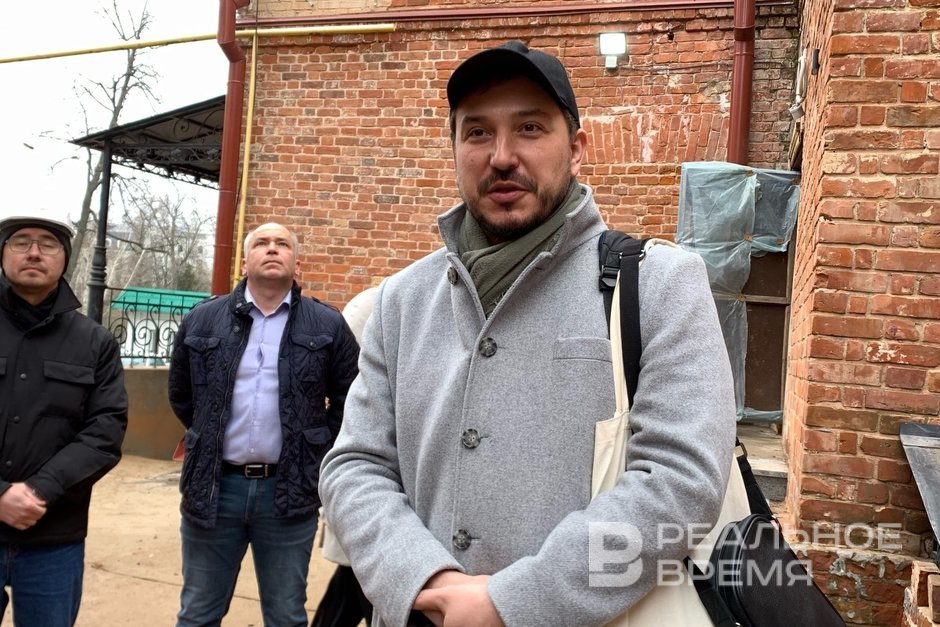
— The engineering assessment has not yet been presented to the public or the expert community. That it (the Mergasov House — editor's note) cannot be restored is merely the opinion of certain individuals. I ask the media to discuss this topic only with experts who are connected to cultural heritage sites. They, I think, will say that an engineering assessment simply cannot recommend the demolition of a cultural heritage site, — Stepan Novikov emphasized.
He added that the wear and tear of the Mikhailov Apartments before restoration was 70%. “And yet the building was completely preserved," noted the Chairman of TRO VOOPIiK.
Glafira Akhmadullina, a member of the TRO VOOPIiK council, spoke about the organization's efforts to preserve mosaic panels. Recently, the Committee of Tatarstan for the Protection of Cultural Heritage Sites refused to include seven Soviet-era mosaics in Kazan and Naberezhnye Chelny in the heritage register.
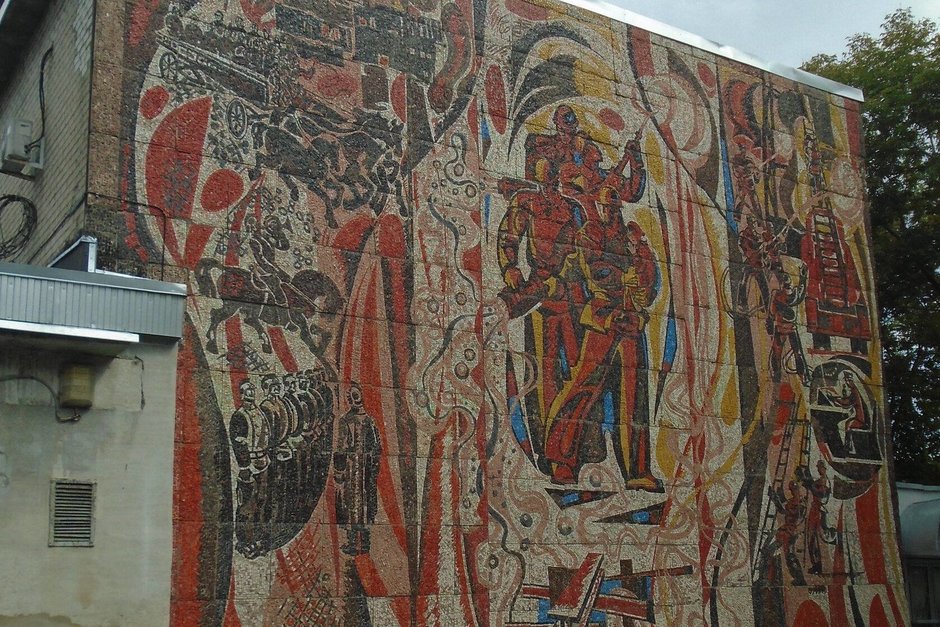
— We requested explanations for the refusal regarding the “Meeting Guests” and “Hot Tea” mosaics (located in the Tatarstan Hotel — editor's note). The Committee responded very formally that the administrative regulations do not provide for providing materials justifying the refusal. Unofficially, they explain that these objects are part of the building and cannot be registered separately, — she said.
According to Glafira Akhmadullina, recognizing entire buildings that house mosaics as cultural heritage sites is excessive, and Russian legislation allows for the registration of individual elements. In several regions, mosaic panels on walls have been recognized as cultural heritage sites.
There was also good news: the complex of mosaic bus stops on Matyushinsky Tract has been granted temporary status as possessing the characteristics of cultural heritage sites, because in this case, the issue was not about protecting part of a building but an entire bus stop. Now a final decision is pending.
— I hope the Committee will have no issues with these. Regarding the remaining mosaics, we still plan to compile all our materials and resolve this issue, — she concluded.
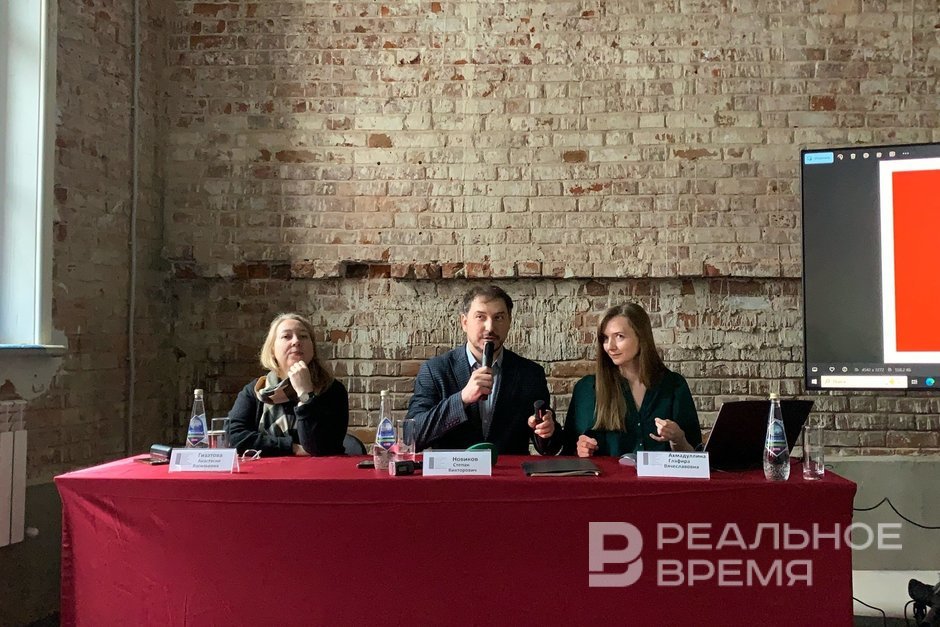
Anastasia Gizzatova, coordinator of Tom Sawyer Fest, spoke about the movement's plans for 2026. The season will open on April 18 with a cleanup day at the “Kazan Window Frames” square. The main work site this summer will be an old two-story house in the Admiralteyskaya Sloboda on Stolyarova Street. In addition, plans include work at the Church of the Three Kazan Hierarchs in Lyutkino (Pestrechinsky District) jointly with the movement “Where the Streams Flow” and a cleanup day at the Gagarin Estate (Tenki).
Furthermore, this week will be “Heritage Week” in Kazan. Residents can expect excursions and lectures — announcements will be posted on VOOPIiK's social media.