Russia's chief oncologist: “Responsibility to patients grows multiplied by breakthrough technologies”
Andrey Kaprin told in Kazan how palliative care is turning into effective treatment for certain types of cancer
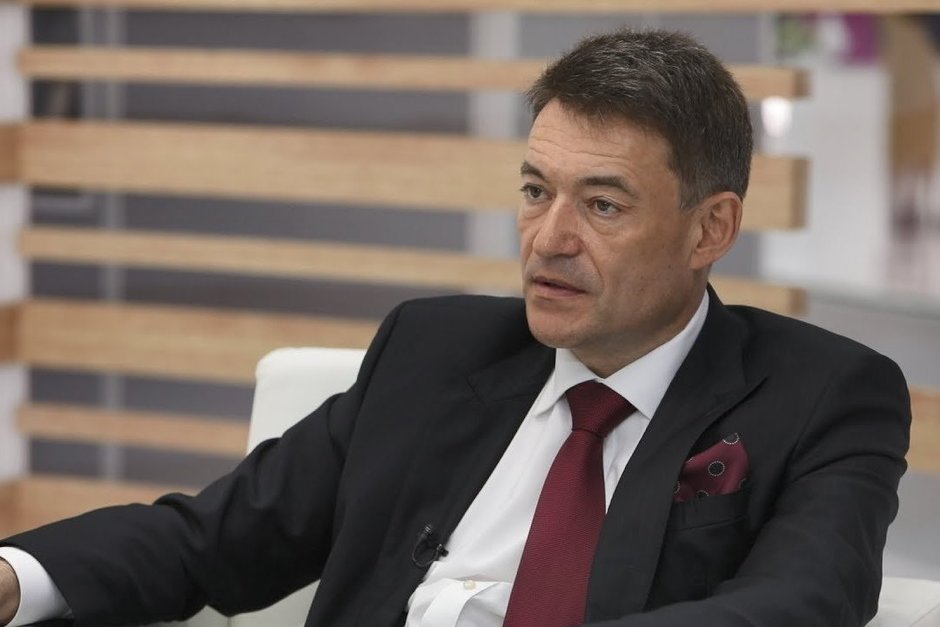
The XIV Congress of Russian Oncologists “Dialogue of Generations” is taking place in Kazan. Rustem Khasanov, Director of the Kazan State Medical Academy, Chief Freelance Oncologist of the Russian Ministry of Health for the Volga Federal District, and former chief physician of the Kazan Republican Oncology Dispensary, warmly thanked Russia's chief oncologist Andrey Kaprin for choosing this venue for the extraordinary forum, timed to coincide with the 80th anniversary of the Tatarstan oncology service. During the congress, specialists will discuss issues of organizing oncological care, molecular genetic research, and palliative care. Read about the achievements and problems of oncologists and the situation with cancer care in Tatarstan in this report by Realnoe Vremya.
“The task is accelerated disease detection”
During a press approach before the grand opening of the XIV Congress of Russian Oncologists “Dialogue of Generations” currently taking place in Kazan, Chief Freelance Oncologist of the Russian Ministry of Health for the Volga Federal District Rustem Khasanov recalled that the oncology service in Tatarstan was created exactly 80 years ago, in the hungry post-war year of 1946. He listed the names of its founders and noted that for a long time cancer was a death sentence and that, very slowly, thanks to the efforts of specialists and scientists, the duration and quality of life for cancer patients began to increase.
Andrey Kaprin, head of the Russian oncology service, Director General of the National Medical Research Centre of Radiology of the Russian Ministry of Health, Director of the P.A. Herzen Moscow Oncology Research Institute, and President of the “Association of Oncologists of Russia” Oncological Society, who took the floor after him, recalled that the Russian oncology service faces the task of accelerated disease detection and rapid patient routing.
— Responsibility to patients grows multiplied by the breakthrough technologies currently available to oncologists, — he emphasized, adding that today 61% of diseases are detected at an early stage — stage one and two, and a reduction to 25% in “one-year” mortality (death from cancer within a year of diagnosis) has been achieved. — These are very big challenges requiring large investments and service development.
“Examination programs are available within compulsory medical insurance”
Answering a question from Realnoe Vremya about what cancer patients can expect in terms of palliative care development, and what efforts are planned at the state level to expand its capabilities and make the end of life for terminal patients less painful, Andrey Kaprin assured that such efforts are being made but then steered the discussion in an unexpected direction:
— The palliative service used to be considered a one-way street, expensive. But now we understand that with certain support, a patient can receive a course of treatment that will prolong their life. We see this, for example, with radionuclide therapy. We can fight bone metastases of castration-resistant prostate cancer. This is a common disease, and we are effectively bringing back into action, with complete remission, up to 70% of patients with bone metastases! We are now treating young patients with neuroendocrine tumors, who previously couldn't be helped — this is an absolute breakthrough. And if earlier we were satisfied that a patient lived 19 days longer, now they can live to receive subsequent treatment protocols that are emerging.
The chief oncologist of the Russian Ministry of Health emphasized the importance of media assistance in the fight against cancer — it is important, he said, to “raise” citizens for timely examinations, inform them about their availability, and the necessity of undergoing them.
— Examination programs are published by the Ministry of Health on the official website, — he noted. — They are available for review. They are absolutely accessible; examinations are conducted within the compulsory medical insurance framework. Encourage people; we are waiting for them!
Next development stages: gamma knife and optimization of drug prescriptions
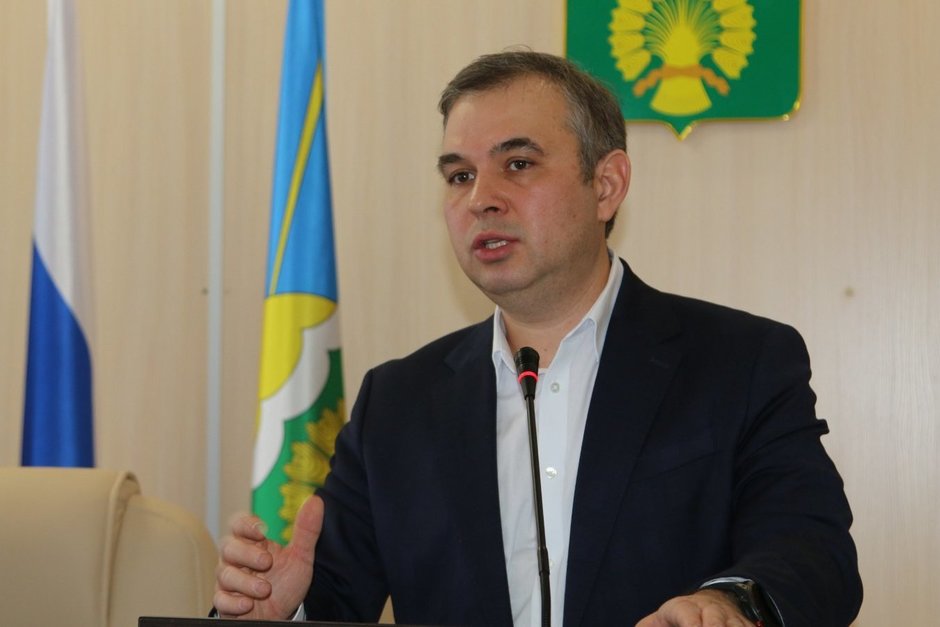
Tatarstan Minister of Health Almir Abashev said that over the three days of the Congress, participants will not only exchange experiences but also visit medical institutions in the republic and see the work of our oncologists in practice.
— Certainly, a source of pride for us is the oncology center, which technologically today surpasses many regions and is approaching the future in terms of equipment and technology availability, — he said. — And in the near future, with the support of the Rais of the republic, a Gamma Knife will be commissioned, which will allow us to localize neurosurgical operations on brain tumors no larger than two centimeters within Tatarstan. And this is a significant technological shift for us!
Abashev also spoke about the experience of using artificial intelligence capabilities in matters related to planning drug treatment for oncological diseases:
— Today, the management team at the oncology center has calculated the most commonly used drugs, derived their cost characteristics, determined how effectively they work in certain clinical guidelines, and we are very hopeful that such machine processing of large datasets will allow us to optimize treatment approaches and prescribe drugs to cancer patients in a timely manner, and most importantly, in a personalized way. Today, the art of oncology lies in choosing the right drug and the patient's path to receiving treatment.
Almir Abashev also appealed to residents of the republic, inviting everyone to visit clinics not only to detect cancer but for their overall health, since “cooperation with doctors will add years to your life.”
Oncology dispensary patients gained freedom of movement
For Tatarstan cancer patients, 2026 has been marked not only by breakthrough technologies — two months before the opening of the XIV Congress of Russian Oncologists, following the scandalous dismissal of Ilgiz Khidiyatov upon the recommendation of the Tatarstan Prosecutor Albert Suyargulov, a new chief physician of the Republican Oncology Dispensary was appointed — Marat Mukhamadeev.
Until the beginning of 2026, clinic patients complained about queues, problems with scheduling appointments and treatment, lack of medications, and incorrect behavior of clinic staff. Realnoe Vremya asked Almir Abashev to talk about the first changes in the dispensary's work following the change of leadership.
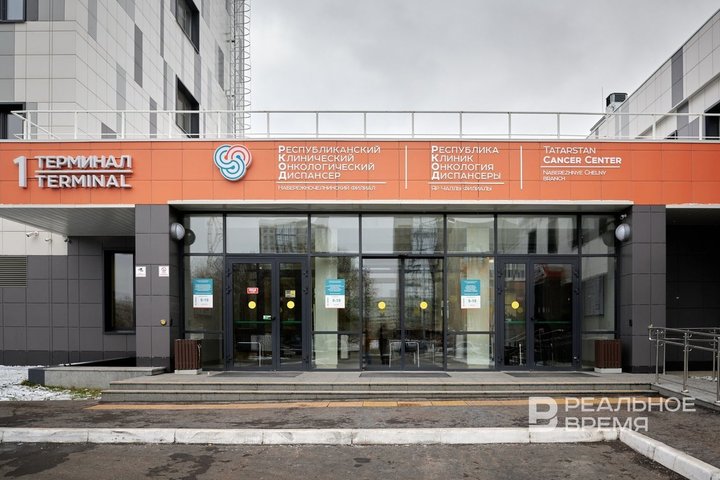
— We certainly see a positive aspect in the team rallying around the problems that exist in the “medical organization — patient” sphere, — the minister noted. — If you had been to the oncology center before, you might have seen numerous turnstiles, barriers, and so on. All that has now been removed, and people can move freely around the building. But that, perhaps, is only one of the visible things; we see the main successes in the fact that the new team, under the new chief physician, is implementing patient-oriented technologies, and people should soon find it more convenient, and the organization will be able to achieve the necessary volumes of medical care more quickly.
Realnoe Vremya asked the minister what is being done in the republic to make cancer care “closer” and more accessible not only to residents of the regional capital but also to those living in remote areas, in rural areas, who suffer greatly because getting to cancer centers is difficult and expensive.
— That's why we are opening branches, — he noted. — The Nizhnekamsk branch of the Republican Oncology Dispensary began work on April 1. There are two more branches — in Naberezhnye Chelny and Almetyevsk. This is how we are trying to bring medical care closer to people. Twelve outpatient cancer care centers are operating in different districts of the republic — we are currently equipping them with additional equipment and personnel. And we very much hope that the overall increase in the availability of cancer care will positively influence people's perceptions.