Trofimenko, HSE: “It's no coincidence Tatarstan's capital is often chosen as federal pilot platform”
Why Kazan is considered one of Russia’s most technologically advanced cities

Kazan consistently ranks among the leaders in digital development among Russian cities. In various “smart city” rankings and digitalization indices, the capital of Tatarstan regularly occupies high positions for urban management quality, the development of digital services, and transport infrastructure. In 2024–2025, the city was noted in federal and international studies assessing the level of technology implementation in the urban environment. Konstantin Trofimenko, Director of the “Smart City” Research Center at HSE University, explains in a column for Realnoe Vremya which solutions and infrastructural factors have established Kazan among the leaders in “smart” transformation among Russian cities with populations over one million.
Digital services for residents
The technological sophistication of a modern metropolis is determined not by the number of IT companies or experimental projects, but by the depth of integration of digital solutions into everyday processes. This concerns the accessibility of city services for residents, the efficiency of transport and infrastructure management, and the city's ability to implement and scale new technologies in real-world conditions. In this context, Kazan is considered one of the key hubs for technological transformation in the country.
One of the main indicators of a “smart city” is the development and demand for digital municipal services. Kazan is among the leaders of the “IQ of Cities” index by the Russian Ministry of Construction largely due to the digitalization of everyday urban processes. In 2025, the city launched the unified platform “My Kazan," which consolidated the main city services: information for a specific address, housing and utility notifications, district news, and the city event poster. Alongside this, a range of super-services focused on specific life scenarios of citizens is being developed.

Digital interaction with city services is also well-developed. Tatarstan was one of the first to implement the “People's Control” feedback system, through which residents report problems in housing and utilities, improvement, and transport. By the end of 2024, about 100 thousand requests were received through the platform, with over 90% of them processed. As part of the development of super-services, specialized digital products are being implemented in Kazan and the republic, such as the “I am a School Student” application, which combines educational and social functions and is used by more than 400 thousand students. Overall, digital services cover most basic urban processes and are used in the daily interaction between residents and the city. For example, back in late 2024, the Kazan Mayor's Office was implementing 68 projects in the field of digitalization.
It-ecosystem and technoparks
Kazan's IT infrastructure relies on a developed network of technoparks and specialized sites. The “IT-Park” high-tech technopark has been operating in the city since 2009 and became one of the first venues in Russia to support IT companies at the stage of product growth and market entry. In 2022, the Bashir Rameev Technopark opened in the center of Kazan — a large new facility focused on the region's IT ecosystem. Collectively, Kazan's sites host over 500–700 companies, and their offices, accelerators, and data centers are used on a permanent basis and are almost fully occupied.
The connection between Kazan and the satellite city of Innopolis, as well as the Alabuga Special Economic Zone, plays a crucial role in the development of the regional technological cluster, performing different but complementary functions. Despite its administrative autonomy, Innopolis concentrates IT development, R&D, and product teams, effectively serving as a platform for developing and testing digital solutions aimed at the entire region. In parallel, Alabuga provides the industrial contour of the ecosystem — capital-intensive projects are implemented here, creating infrastructure for scaling and implementing technologies in the real sector of the economy.
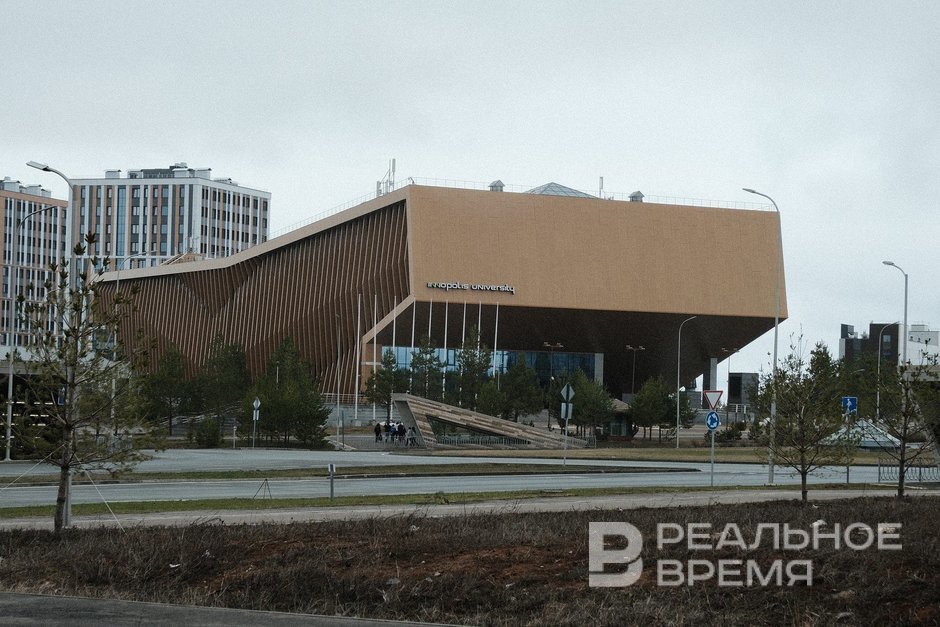
Collectively, hundreds of technology companies operate at these special economic zone sites, over 17 thousand jobs have been created, and the total investment volume of residents is estimated in the hundreds of billions of rubles. The presence of a preferential tax regime, a specialized university in Innopolis, and specialized industrial infrastructure in Alabuga allows for a complete cycle — from solution development and piloting to practical implementation and scaling in Kazan and beyond. As a result, a sustainable IT ecosystem is forming, covering the development, testing, and application of digital products in the urban and regional environment.
Universities, personnel, and the technological environment
Kazan is one of Russia's largest educational centers in the field of IT and engineering specialties. Leading universities operate in the city, including KFU and KNRTU-KAI, which annually graduate thousands of specialists for the digital economy. These universities closely cooperate with businesses and regional authorities: they participate in applied research, train personnel to meet the demands of IT companies, industrial enterprises, and city structures. In turn, a significant portion of young specialists stays to work in the region due to a developed market and clear career paths.
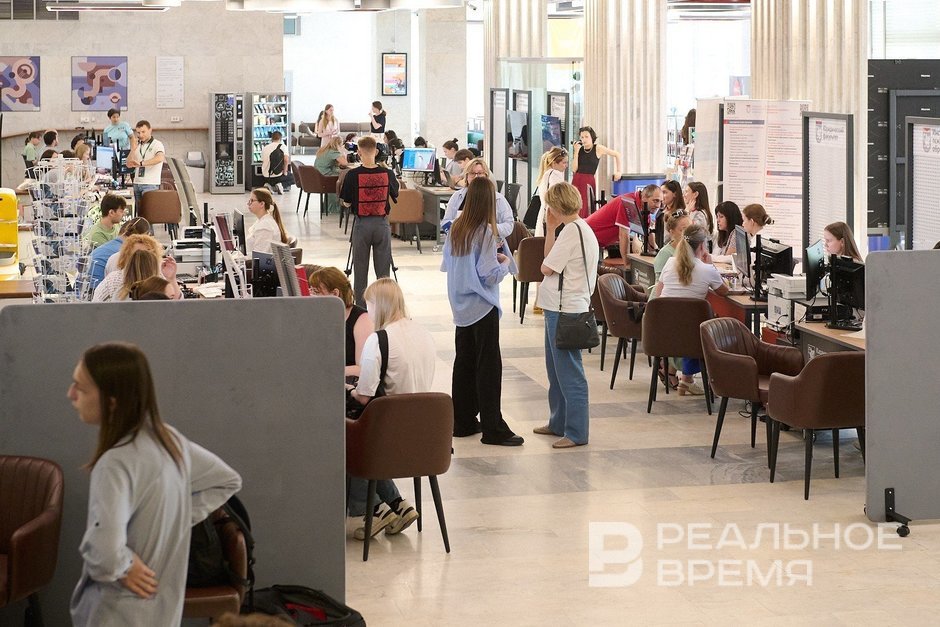
The personnel base is strengthened by a rich technological and business environment. Kazan regularly hosts major federal and international events related to digital transformation and industrial technologies. The key platform remains the international forum Kazan Digital Week, which in 2025 gathered over 20 thousand participants and representatives from more than 70 countries. In addition, the city hosted the federal conference CIPR (Digital Industry of Industrial Russia), the Innoprom industry forums, regional stages of RUSSIAN TECH WEEK, hackathons, and professional competitions in digital competencies. This agenda is complemented by interdisciplinary events such as the “Games of the Future," for which the city updated the IT infrastructure of its major venues. Such a concentration of education, personnel, and industry events creates a sustainable environment in Kazan for technology development and attracting specialists.
Smart mobility and autonomous technologies
For several years, Kazan has been consistently implementing digital solutions in urban mobility management — from intelligent traffic management systems to electronic transport services and contactless fare payment. These tools are used in the city's daily operations and form a digital transport environment familiar to residents.
The next stage in the development of urban mobility is the introduction of autonomous transport solutions. This direction is established as one of the priorities at the federal level. At a meeting on the development of unmanned and autonomous systems, the President of the Russian Federation outlined the need to form a regulatory framework and create conditions for testing autonomous solutions in a real urban environment, including transport and service devices. In this logic, Kazan is one of the key platforms for the practical testing of such technologies. The city combines a dense and diverse environment, developed digital infrastructure, and administrative readiness for experimentation, thanks to which autonomous technologies are being implemented here not in isolated test zones but in a living urban context.
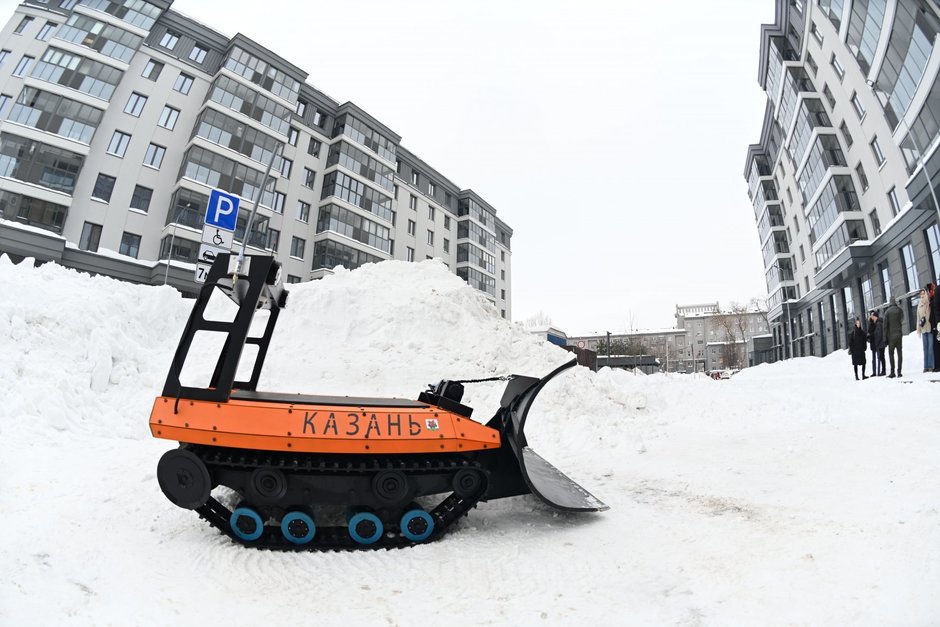
One of the most notable examples of autonomous solution implementation was the launch of delivery robots. In Kazan, they are integrated into the urban environment as part of the “last mile” logistics chain, providing contactless delivery of grocery orders in the central Vakhitovsky district. The logical progression of autonomization continued against the backdrop of heavy snowfall in early 2026 and an acute shortage of street cleaners. In response, municipal services began testing autonomous snow-clearing robots capable of raking and removing snow in courtyards and on sidewalks for up to 8 hours at temperatures of -25 degrees. Additionally, the republic actively participates in the creation of an unmanned logistics corridor on the M-12 “Vostok” highway. Pilot launches of autonomous trucks from KAMAZ, Yandex, and Navio are being conducted on several sections, where Kazan acts as a key service and data collection hub.
Urban safety
For a modern city, safety is one of the basic indicators of how comfortable it is to live there. In the international Safe Cities Index, Kazan ranked 72nd globally, becoming one of the few Russian cities represented in the global comparison. For a city of over one million, this is an indicator of a stable situation in public spaces and well-established work of city services.
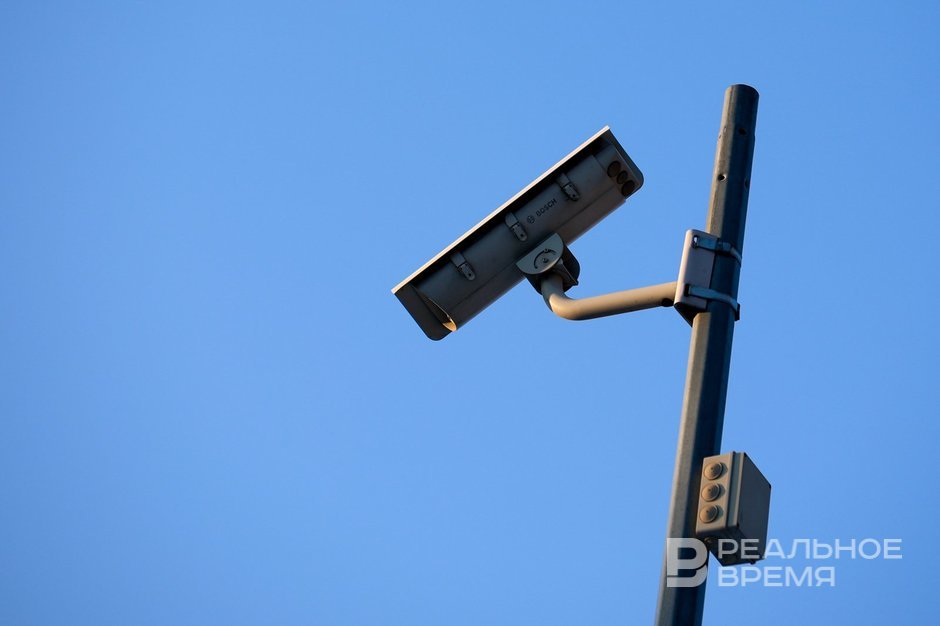
This stability is ensured by integrating city systems into a unified digital environment. The “Safe City” complex operates in Kazan, connecting emergency services, city infrastructure, and monitoring systems. In emergency situations — fires, floods, accidents — information is automatically transmitted to the Ministry of Emergency Situations, and key objects and access roads are displayed on the map. Specific algorithms are used to identify abnormal situations in public spaces, including cases where a person requires medical assistance. This approach allows for faster response times and reduces the consequences of incidents.
Kazan has managed to combine all the key components of a “smart city”: high-tech companies and clusters are concentrated here, along with a strong educational base and the support of local authorities willing to experiment with innovations. These elements mutually reinforce each other: the presence of IT specialists attracts companies, companies create services for citizens, and advanced residents are open to new technologies. Kazan stands out favorably for its integrated approach — digitalization affects all spheres: transport, housing and utilities, security, public services. It's no coincidence that Tatarstan's capital is often chosen as a federal pilot platform: robotic couriers are already working here, super-services for public administration are being tested here, and one of the country's main IT forums is held here. All this forms a modern urban environment where technology is not just for image, but for genuinely improving the quality of life. That is why Kazan is deservedly considered one of the most technologically advanced cities in Russia — a city comfortable for living today and ready for the challenges of the future.