How Tatarstan's IT breakthrough began
How Tatarstan became a leader in Russia's digital transformation

Instant communication, processing, storage, and transmission of huge data arrays over any distance... All of this is an integral part of today's life. Tatarstan is not only among the Russian regions that are leaders in the overall level of digital development, but in recent decades it has also repeatedly become a pilot region for testing and implementing many innovative IT technologies. This became possible thanks to the presence of a powerful, well-structured telecommunications system covering the entire republic. A system whose potential, even at the time of its creation, far exceeded the actual needs of the region and still retains a huge reserve of opportunities for further development today and for decades to come. When and how did the rapid introduction of telecommunications services begin in Tatarstan? Who was the first to invest hundreds of millions of rubles in the construction and development of a modern communications and information exchange sector? About this — in a new series of materials from Realnoe Vremya. Part one.
Rustam Minnikhanov: “Digitalization of all industries is our serious priority”
Year after year, the Republic of Tatarstan confirms its status as one of the most technologically developed regions of Russia. In June 2025, this was once again announced at the “Digital Industry of Industrial Russia” conference, where a meeting was held with the participation of Deputy Prime Minister of the Russian Federation Dmitry Grigorenko. Tatarstan was recognized as the leader of the country's digital transformation.
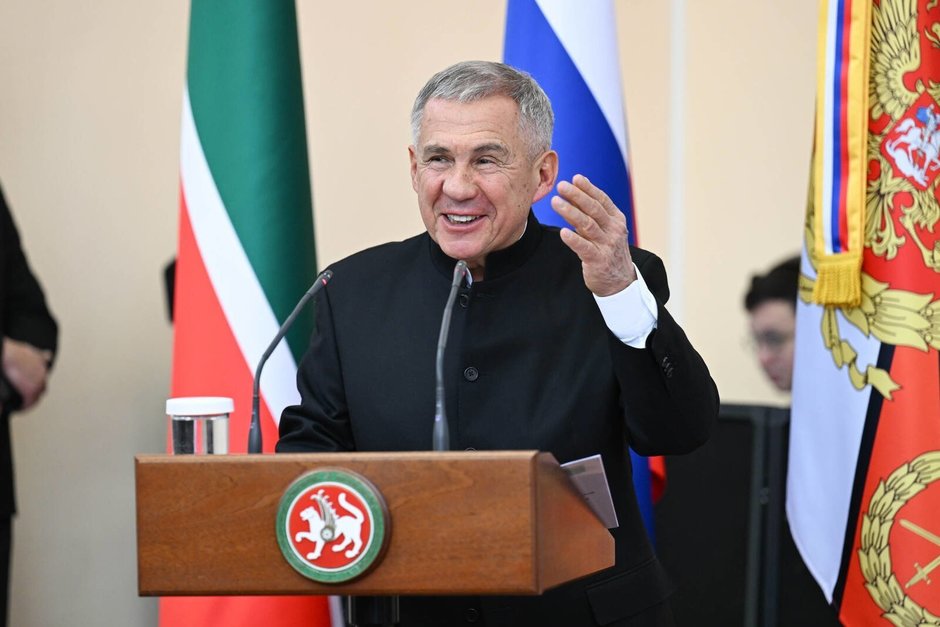
The Rais of Tatarstan, Rustam Minnikhanov, has emphasized more than once:
— If it weren't for digitalization, many projects would be implemented slowly or with errors. The main criterion for evaluating the authorities is the quality of life of citizens... We must create such conditions in every location, we must broadcast standards to other territories and settlements so that the quality of life of people does not differ greatly.
The basis for the successful implementation of the tasks is the speed of decision-making and information exchange, the ability to quickly respond to corrections of inputs according to the current situation by all participants in the processes. All this can be effectively implemented only in the digital — telecommunications — field. But the digital world that everyone is so accustomed to today was not always there. It was created purposefully and with high professionalism.
Today, there are practically no problems with calling relatives or business partners at any time, wherever they are, sending a message, forwarding a document, a video file, approving a contract with an electronic signature, and solving urgent tasks from almost anywhere in the world. The main thing is not to forget to charge your mobile phone and top up your balance in time. However, just thirty years ago, even just hearing the voice of the right person at a distance was not easy.
It was hardest for business and industrialists. There is no need to explain what it means for a business to lack the ability to quickly contact partners or government services; for a continuous production enterprise — a delay in making an important decision; for oil producers — a lack of communication between wells, production departments, management, and participants in logistics chains, for example, captains of oil tankers. It was business — the TAIF company — that became the pioneer — the initiator and creator of the telecommunications industry in the Republic of Tatarstan.
TAIF was one of the first not only in the republic but also in Russia as a whole to begin implementing a cellular communication system, which entailed the need to solve a whole range of related and overlapping tasks in the development of the telecommunications industry. The most voluminous tasks were the modernization and digitalization of the existing, but seriously outdated by that time, wired telephony, the interconnection of existing and new communication lines, and the construction and connection of cellular towers. For this purpose, the most complex, stretching for thousands of kilometers, covering the entire republic, duplicated (to eliminate failures in data transmission) system of fiber-optic lines was created, ensuring not only the operation of cable television but also allowing high-speed exchange of terabytes of data. Suffice it to say that all current systems — new generations of communications and the internet — still operate on the basis and using those cutting-edge technologies and resources that were laid down and implemented in the republic by TAIF more than thirty years ago. Technologies that remain at the level of advanced solutions in the world today.
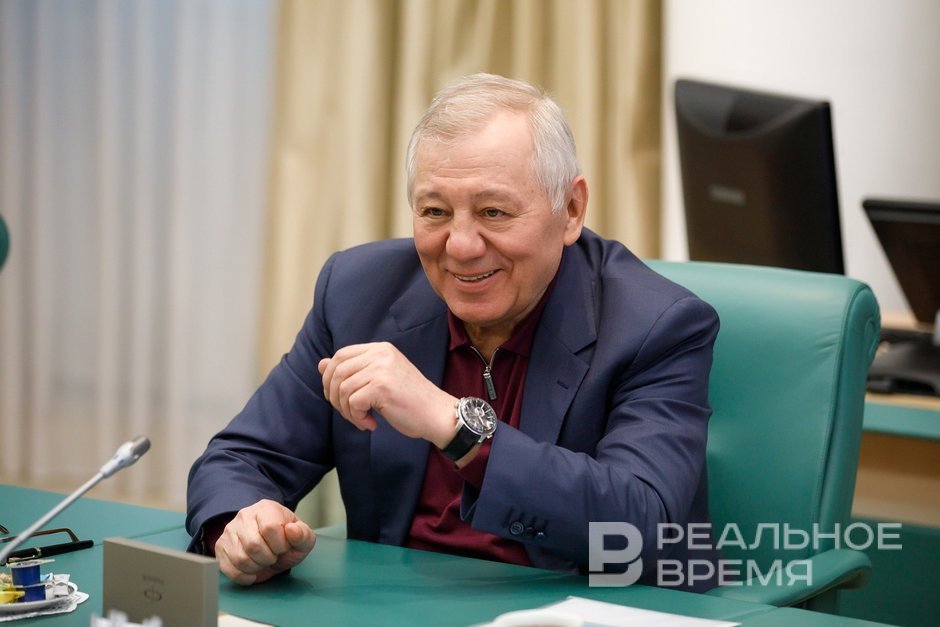
— IT technologies, our own programming, 'Electronic Tatarstan,' our science city — Innopolis, special economic zones, technoparks and industrial parks, the rapid development of AI and the development of our own digital products and technologies... Everything that today seems completely natural, familiar, and as if it has always existed is in fact the recent history of Tatarstan and Russia. Creating all this and making it successful became largely possible thanks to a developed telecommunications structure: reliable communication, transmission and high-speed data exchange, a well-thought-out, repeatedly duplicated reliable fiber-optic network. I can confidently say: the telecommunications structure in our republic is certainly no worse, and perhaps better, than in the most developed countries of the world. And it is very gratifying to realize that the creation of the foundation, the foundation of the telecommunications industry in Tatarstan, is largely the merit of the TAIF Group, — the Chairman of the Board of TAIF JSC, Albert Shigabutdinov, emphasized in an interview with a Realnoe Vremya journalist.
An interesting point: Albert Kashafovich himself admits that he had no doubt that mobile communications would not only appear but also become widespread, as did his classmates, since his student days (in 1976, he graduated from the Kazan Aviation Institute with a degree in radio-electronic devices — editor's note). He just didn't think it would happen so soon and that he himself would have to participate in the development of the industry:
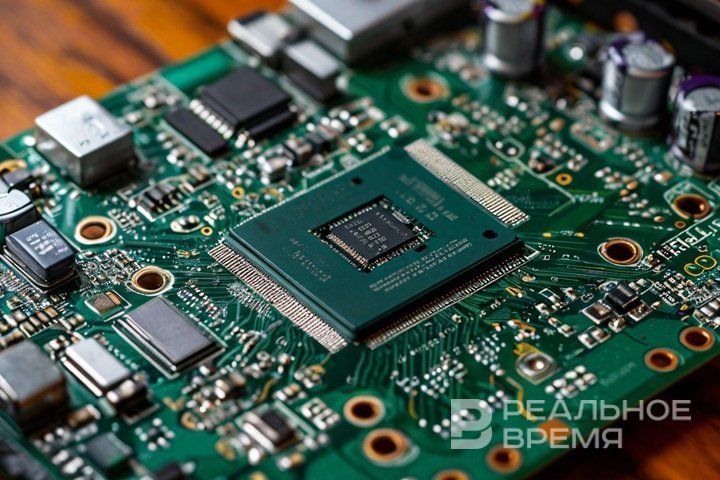
— Our forecast was about 100 years. We were already familiar with the theoretical foundations back then, and we even worked on them. It's just that the technological base didn't exist yet: electronics were built on tubes, and we hadn't even thought about microchips. Back then, it never even crossed our minds that microprocessors and microchips would be created that today allow parallel processing of trillions of operations per second. But we already understood the theoretical foundations and circuits. We even made our own 'cellular phones,' but for a few subscribers. True, they were large and bulky. Analog. At that time, the transition from tubes to transistors and microchips was just beginning... They were rare, and the circuit that replaced hundreds of tubes was a board with dozens of transistors.
The first mass mobile communication system in Tatarstan was created by RTT
The early 1990s. Political, economic, and technological crisis. The issue of telephony in general for the country at that time — although acute, was not a priority. The state not only lacked the capacity to invest in the implementation of such a high-tech project as mobile communications from scratch but also had to postpone even plans to modernize the existing, hopelessly outdated, and exhausted capacity for connecting new subscribers of analog step-by-step and relay systems of landline telephony, which were no longer able to meet the demands of the population.

— Few people remember now, but in the early 1990s, in Tatarstan alone, there were almost a quarter of a million applications for telephone installation. Landline! People not only waited in line for years; for some, their whole lives were not enough to get the right to install and connect a device, — Albert Shigabutdinov recalled in an interview with a Realnoe Vremya journalist.
The problem gave rise to an innovative idea: to independently create and develop the telecommunications industry of Tatarstan to the level of leading world technologies.
— In 1992, a delegation of what was then VTNPO Kazan was on a business trip to the USA, where they became acquainted with trunked radio communication. At that time, it was considered very prestigious and advanced there. And not everyone could afford it. But it was a very convenient solution. We conducted a deep analysis of the situation, studied the market, chose the best supplier of the most advanced equipment and cutting-edge world technologies at that time — Nokia — contacted them and agreed on a good price, — Albert Shigabutdinov said about how a new era in the development of the telecommunications industry began in the republic.
VTNPO Kazan did not intend to focus solely on meeting its own needs for reliable communication. Thus, in 1993, the company “Radiotelephone Technologies," or RTT, was created, which was tasked with growing into a wide network of radiotelephone communication. Ambitious goals required serious investments. They had to negotiate a loan.

The volume of investment in the construction and development of the RTT company by VTNPO Kazan (later, on its basis, the company TAIF was created, which continued the implementation of the projects) became one of the largest investment projects of that time not only in telecommunications but also in the economy of Tatarstan and Russia as a whole.
The company did not skimp on personnel training either: the RTT team was trained in Finland, the home country of the equipment supplier — Nokia, receiving a European certificate. Upon returning, specialists immediately began work on installation and ensuring the efficient operation of radiotelephone communication equipment.
To install antennas and place equipment in populated areas, agreements were made to use the roofs of high-rise buildings. Thus, one of the switches in the capital of Tatarstan was located in the building of the ATS-36 on Butlerov Street, and three base stations were mounted on the high-rise of Kazan State University, the television tower, and in the Gorki microdistrict. A 50-meter tower was built on the Kazan — Naberezhnye Chelny highway. In addition, an agreement was reached to use existing towers of radio relay communications in the interests of RTT subscribers, including facilities of the Soviet predecessor of the modern Ministry of Transport and Road Management of the republic — Tattransupravlenie.
A radiotelephone handset cost about $3,000 at the time, weighed more than half a kilogram, operated on a charged battery for an hour, and each minute of conversation cost about $5. But it was the freedom of prompt communication! First and foremost, business communication, where the fate of a multi-million dollar deal or the successful resolution of critical production issues often depends on a timely call. By 1994, RTT's coverage already stretched from Zelenodolsk to Naberezhnye Chelny and Almetyevsk. And the number of people wishing to use the radiotelephone system quickly exceeded 6,000 subscribers. Radiotelephony from RTT became especially popular and in demand in the business environment: among industrialists and oil workers.
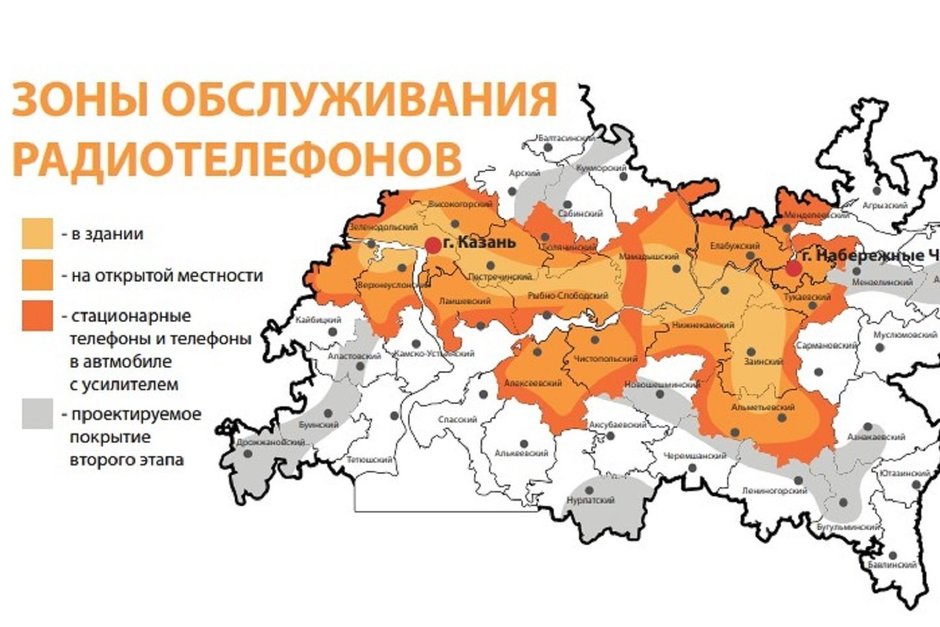
Of course, Tatarstan's oil producers did not work without communication at all. In the early 1990s, they used the Altai system, created by Soviet science in the early second half of the 20th century. Having some similarity in principle of operation with cellular telephony, Altai provided telecommunications only for a limited number of subscribers. The capacity of the network built on several base stations did not allow connecting more devices. With the arrival of the TAIF team and the RTT company, everything changed: an agreement on cooperation was signed with Tatneft, thanks to which TAIF subscribers gained access to radiotelephones in Zakamye, and oil workers — in Kazan. Tatneft immediately appreciated the benefits: reliable mobile communication allowed for prompt exchange of information between the company's divisions: personnel working at wells, in management, and at oil preparation and transportation facilities. And TAIF, not stopping there, signed agreements on cooperation with companies using the same type of communication in Moscow and the Moscow region, as well as in St. Petersburg. RTT subscribers were able to use communication in the capital and on the banks of the Neva, and users of the Moscow and St. Petersburg networks could freely conduct negotiations during trips to business partners in Tatarstan.
With each new contract, the geography where RTT subscribers could use communication services grew and expanded. International calls were also made possible.
— We created the RTK company ('Regional Telecommunications Complex' — editor's note) and obtained a license. We bought special equipment from an American company, received an international communication code, installed a satellite antenna, and gave RTT international communication, — Albert Shigabutdinov told a Realnoe Vremya journalist about another page in the history of the development of the telecommunications industry in Tatarstan.
And here is the paradox: it was easier to reach landline subscribers from Kazan via the international channel than directly. This was how TAIF first encountered one of the main obstacles on the way to developing mobile communications in Tatarstan: the imperfection of the outdated equipment of classical landline telephone exchanges and the significant difference in technologies.
But, despite all the difficulties, the process developed rapidly. The business community, representatives of large industrial companies, and the leadership of Tatarstan duly appreciated TAIF's successes in building reliable mobile communications in Kazan, the republic as a whole, and beyond.
Mintimer Shaimiev: “Albert Shigabutdinov quickly picks up new and useful things”
Working persistently to preserve and develop the industrial potential of Tatarstan, VTNPO Kazan, later transformed into TAIF JSC, solved complex tasks to create new technologies and entire economic sectors, the absence of which hindered the successful progress of the economy and the development of the republic as a whole.
And, as the first president and now State Counselor of Tatarstan, Mintimer Shaimiev, has repeatedly emphasized, such a global approach to any business is a distinctive feature of both the company itself and its founder, and now Chairman of the Board of TAIF JSC, Albert Shigabutdinov:
— Albert Kashafovich has always been distinguished by his commitment to innovation. As a forward-thinking person, he quickly picks up new and useful things, — he notes.
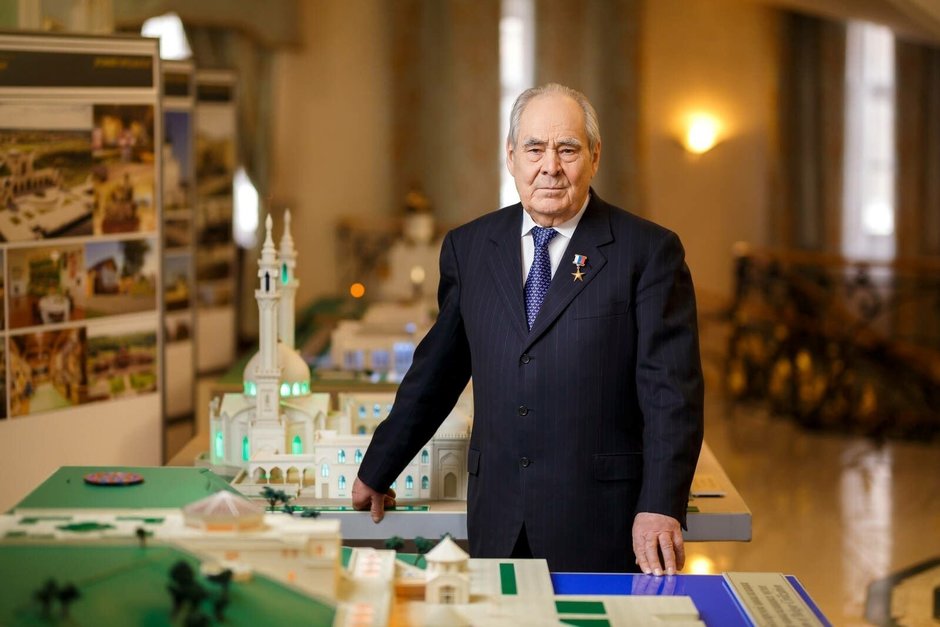
Thus, steps were taken in Tatarstan to create the first regional cellular operator in the republic:
— In 1994, as part of a delegation from what was then VTNPO Kazan, on behalf of the management, I had the opportunity to visit Finland, at Nokia. And there, from the corporation's specialists, I learned about the GSM-900 standard... The management of VTNPO immediately saw the prospects in the capabilities of cellular communication and assessed the potential and prospects of the new standard, — said Valery Trofimov.
The process required a thorough and thoughtful approach. As always and in everything related to TAIF, the application for a license was preceded by extensive analytical work. A special working group was created to study the possibilities and prospects of the telecommunications market not only in Russia but also in the world, comparing the capabilities and prospects of various communication systems and standards. When the company's management and shareholders had no doubt left that GSM was the future, and a long-term one at that, a business plan was carefully developed with sources of funding, the choice of equipment suppliers, and technologies. At the forefront was the creation of opportunities for a radical qualitative transformation of the telecommunications industry in Tatarstan, which included capacities for high-speed internet, unlimited international communication, and much more.
November 1998: from trunked communication to cellular
The development of RTT brought great benefits to TAIF and the republic. Moreover, in a variety of directions. And we are talking not only about the profit received but also about invaluable experience. As the company emphasizes, they saw the interest of the population, business, and authorities in reliable mobile communications, were able to identify the circle of potential consumers of telecommunications services, identify problematic areas requiring solutions, and work out possible ways to overcome emerging difficulties. In other words, RTT allowed TAIF to feel the potential of the new, still emerging market in Russia and to look into the future.
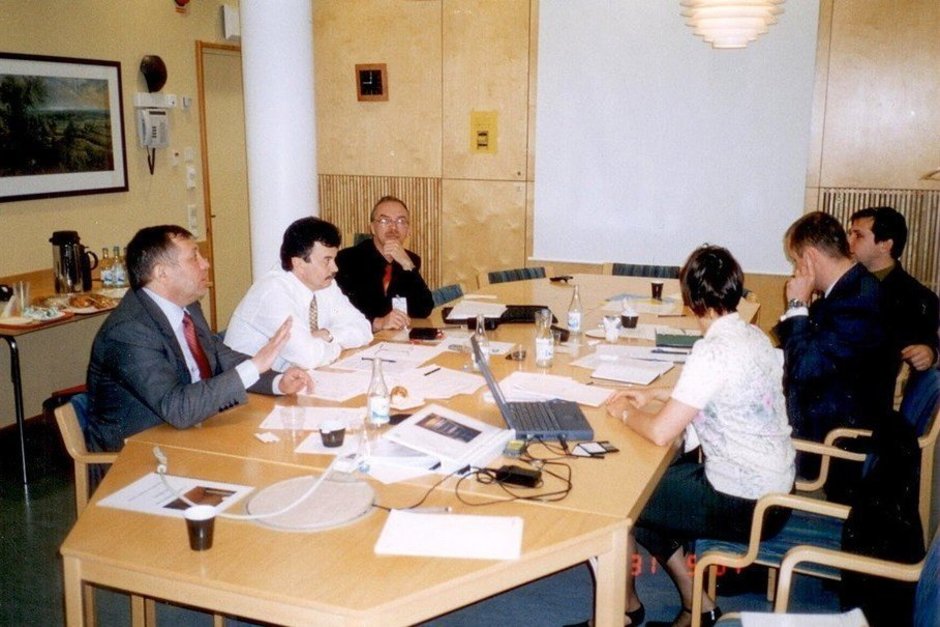
In 1998, TAIF moved into the active phase of implementing a new project: an application for GSM frequencies was submitted. Everything worked out successfully: the State Commission on Radio Frequencies, in agreement with the special services, issued a permit, and the country's Ministry of Communications issued the first license in Tatarstan and one of the few in Russia at that time to provide cellular communication services in the GSM standard. The first 17 points for equipment and the construction of cellular base stations were identified in the republic.
— No one believed back then that Russia could master and effectively use advanced technologies — the achievements of world applied science in this area. And even more so, that they could make a successful business out of communication. They didn't believe that GSM standard communication would become widespread, — Albert Shigabutdinov recalled in one of his interviews with Realnoe Vremya. The difficulty lay not so much in obtaining the frequency, especially for mass use, but in the too high price of using such communication for both providers and subscribers.
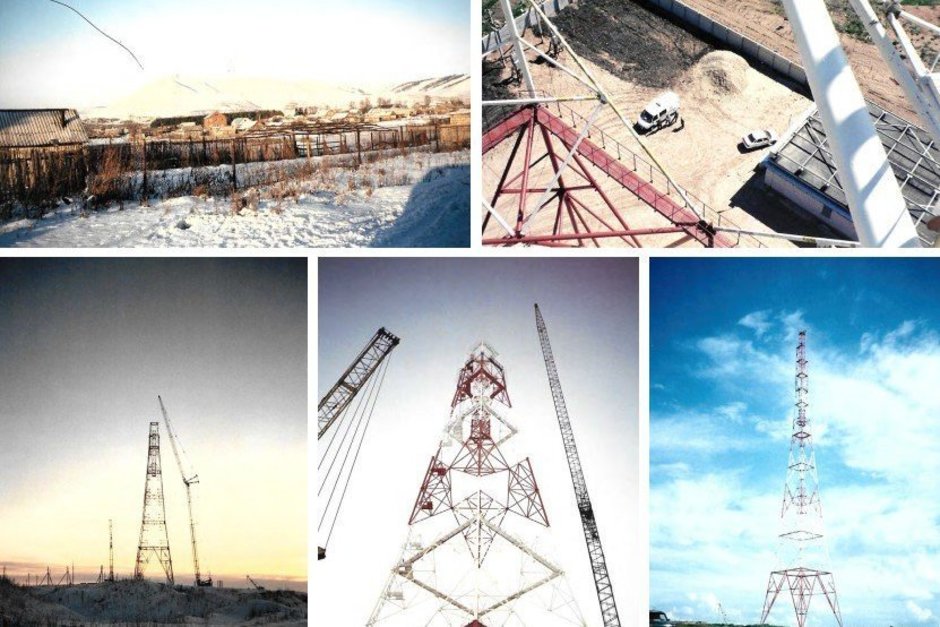
However, time itself put everything in its place, showing that TAIF was once again right in its predictions. However, as Albert Shigabutdinov notes, there were indeed plenty of difficulties. For example, at the stage of searching for suppliers of equipment necessary for building the network:
— The first offers suggested that (representatives of equipment supplier companies — editor's note) believed that in Tatarstan they had no idea at all about modern technologies, nor about the processes of pricing for the manufacture and supply of equipment, nor especially about the cost of money itself. For a network designed to serve 10,000 subscribers with the possibility of expansion to 100,000, they were asking for more than $100 million! At that time, an unthinkable price. TAIF specialists had to spend a lot of time studying the experience of foreign companies operating in the cellular service sector, comparing the capabilities and achievements of equipment manufacturers, and only then, armed with numbers, calculations, and specific examples, sit down at the negotiating table again.
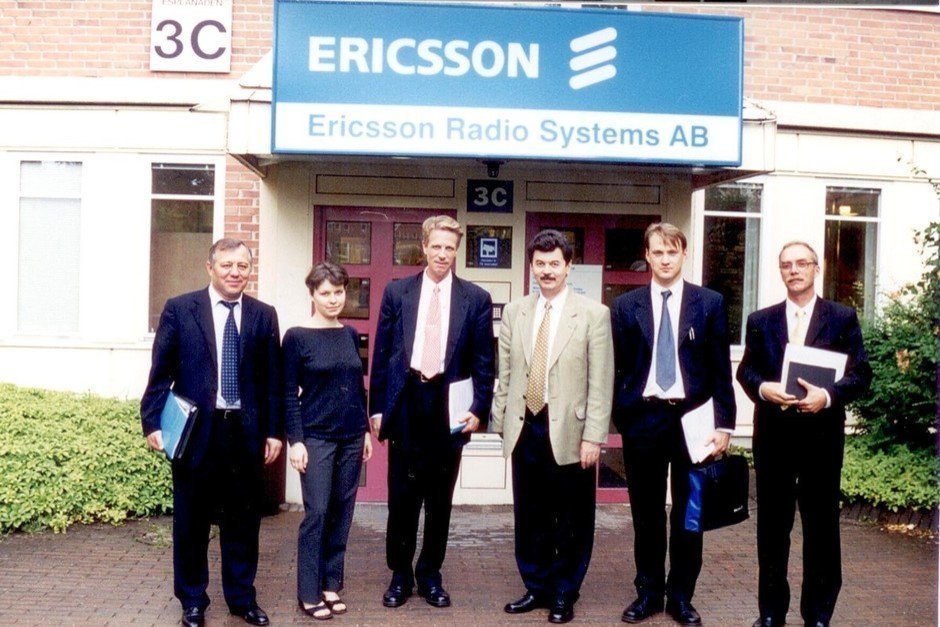
Ultimately, a contract for the supply of equipment was concluded with Ericsson — then a large Swedish transnational telecommunications company that was one of the world leaders in the field of information and communication technologies (ICT), including for manufacturers and suppliers of equipment and telecom operators. And not for $100 million for a network designed to connect up to 100,000 subscribers, but for $47 million. Later, another contract was signed for $20 million to double the number of subscribers.
In fact, the investments of TAIF shareholders in the creation of TAIF-Telcom in rubles turned out to be still several times higher than expected: in August 1998, when the first tranche for the equipment was due, the default hit, tripling the ruble's value against the dollar. And since the payment for the equipment was made in dollars, the cost of payments in ruble equivalent under the agreements literally multiplied overnight. Nevertheless, TAIF fulfilled all its obligations to suppliers: payment was made on time and in full. And foreign partners duly appreciated the honesty of the Tatarstan company.
November 1998 became the time of birth of the enterprise “TAIF-Telcom," that is, “TAIF — Telecommunications.”
To be continued...