Oil, LNG, peaceful atom, free trade and “strong bonds of friendship” with ASEAN
The contours of cooperation with Southeast Asian countries until 2035 were outlined at the summit in Kazan
Russia is entering a new era of cooperation with Southeast Asia, where energy will once again take center stage — from traditional black hydrocarbons to green kilowatts from Rosatom. The concept of strategic partnership with ASEAN until 2035 was outlined at the Business Forum of the Russia-ASEAN summit in Kazan. Russian President Vladimir Putin expressed confidence that cooperation with the association will reach a new level. Rosatom is negotiating with Indonesia and Vietnam on the introduction of nuclear technologies, and Tatarstan is making plans for helicopter exports. For more details, see the material by Realnoe Vremya.
How and what Russia will trade with ASEAN until 2035
The concept of long-term economic partnership between Russia and ASEAN countries was presented at the meeting of the Business Forum of the summit. The strategic program for trade and investment cooperation is designed until 2035 and could be adopted by the end of the year, said Maxim Reshetnikov, head of the Russian Ministry of Economic Development. This is precisely what experts had expected when discussing the need to strengthen our country's influence in the Southeast region.
True, the concept looked somewhat raw and rather vague, as no specific figures were given for the growth of Russia's foreign trade turnover with ASEAN countries by 2035 or for investment dynamics. But can anything be predicted when the conflict in the Middle East remains in a smoldering phase, Russian political scientists noted in a conversation with Realnoe Vremya.
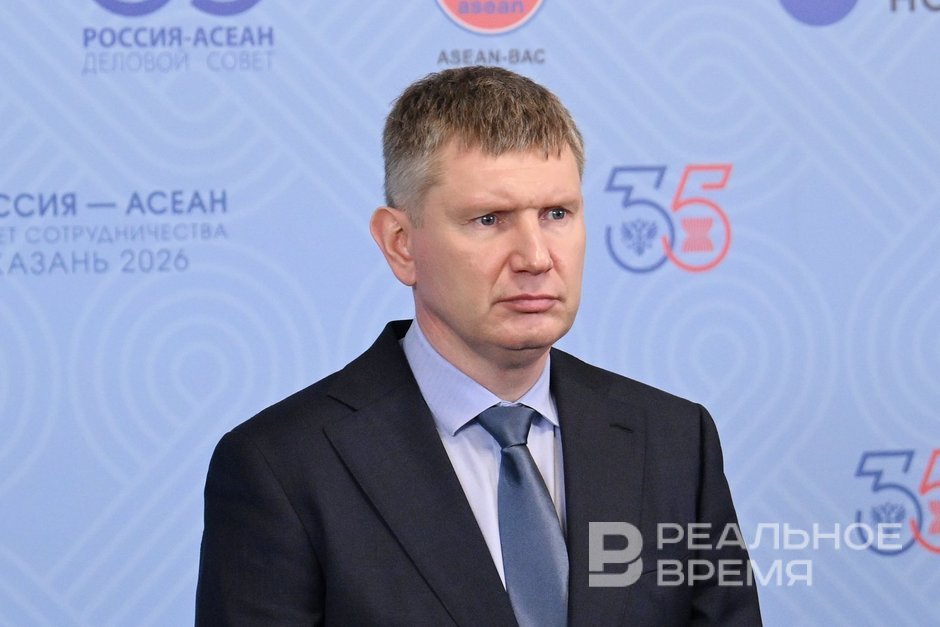
Meanwhile, the priorities of the future program were voiced extremely clearly and concretely. Its essence lies in expanding mutual trade. And, above all, of raw materials. “One of the drivers of trade cooperation growth between Russia and ASEAN remains the energy sector," Reshetnikov said, emphasizing that Russia confirms its status as a reliable supplier. He recalled that amid the crisis in the Strait of Hormuz, our country increased supplies of mineral fuel and oil to Greater Asia by 40%. It is now ready to conclude long-term contracts for energy supplies and the development of storage infrastructure.
— Oil, gas, petroleum products, coal — this is our traditional export sector, — he later explained to journalists.
According to him, demand for energy resources in ASEAN countries will grow 2.6 times by 2050. This opens up new opportunities for expanding Russia's foreign trade turnover with Global South countries. Alongside this, an increase in LNG supplies is being discussed. This type of fuel is used in the transport sector of the association's states. The reorientation of oil and gas supplies to Southeast Asian markets has long been discussed; the issue is in volumes and prices.
There is no ceiling in foreign trade with Asia
Grain, vegetable oil and other food products remain the second link in exports. This was not news, since Russia has long been contributing to ensuring food security in ASEAN countries by importing coffee and several other goods. True, the authorities also hope to add meat to the “export basket.” “We have opened new markets in Malaysia — turkey supplies have begun there. To Vietnam — we have increased pork supplies," the minister said. Malaysia and Indonesia, as the world's largest suppliers of products, are interested in stable supplies of mineral fertilizers.
Digital platforms were also mentioned as additional sales channels for small and medium-sized businesses, IT solutions, cybersecurity, video games, film products, and so on.
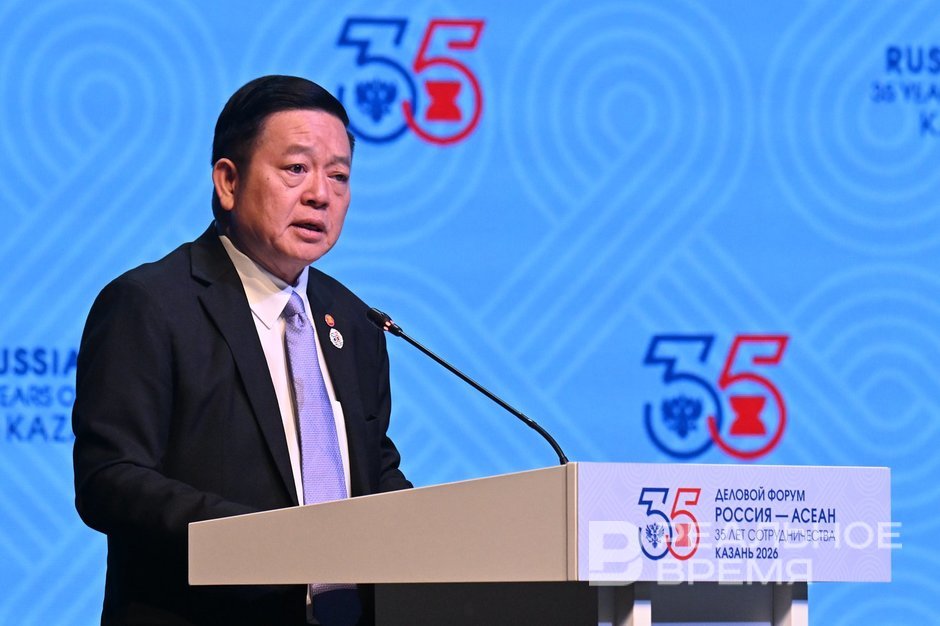
True, there were some discrepancies in numbers. According to Maxim Reshetnikov's estimates, foreign trade turnover has increased by 58% over the past 10 years to $21 billion. Meanwhile, ASEAN Secretary-General Kao Kim Hourn estimated the scale of trade more modestly at $17 billion. But in any case, there is no ceiling in mutual trade, the speakers agreed.
A new trend in relations is free trade. Russia offers to participate in the free economic zones of Vietnam and Indonesia and intends to offer this model of relations to other countries. However, no specifics have been given yet.
Likhachev: ASEAN will consume a quarter of the world's energy
Rosatom has taken the “energy map” on board. The state corporation is negotiating the construction of nuclear power plants with Indonesia, Vietnam and Laos. Rosatom views ASEAN countries as a large and promising region for the introduction of nuclear technologies in large-scale energy. According to the forecasts of the state corporation's CEO Alexei Likhachev, ASEAN's share in global energy consumption will reach a quarter in the next decade: “Electricity consumption for the next 10 years is projected here to be up to 25% of the global volume. That is, the planet will grow in terms of energy consumption.”
Negotiations with Indonesia on the construction of a fleet of floating nuclear power plants are being finalized, with Laos — on small-capacity stations, and with Vietnam — the possibility of accelerating work on the Ninh Thuan 1 NPP project and a nuclear science and technology center is being discussed.
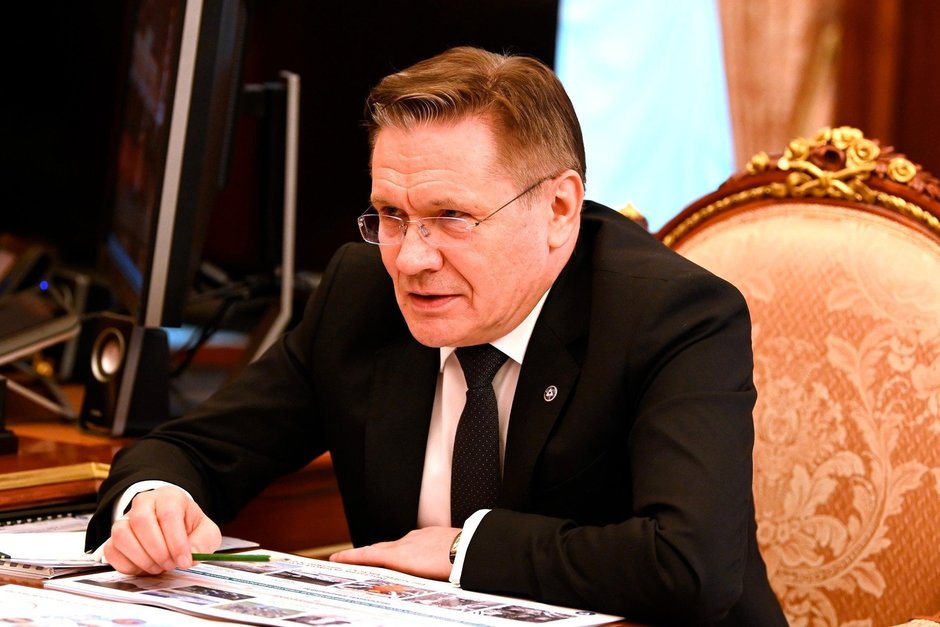
“Almost every country in ASEAN is either island-based or has a coastline, so our floating technologies are especially in demand here," noted the head of Rosatom.
This growth is driven not only by rapid economic development but also by an outstripping population increase. “The region's population is expected to soon exceed 700 million people, which will be about 10% of the world's population," Likhachev noted.
Sources said that Tatarstan is making plans for exporting helicopters to island states.
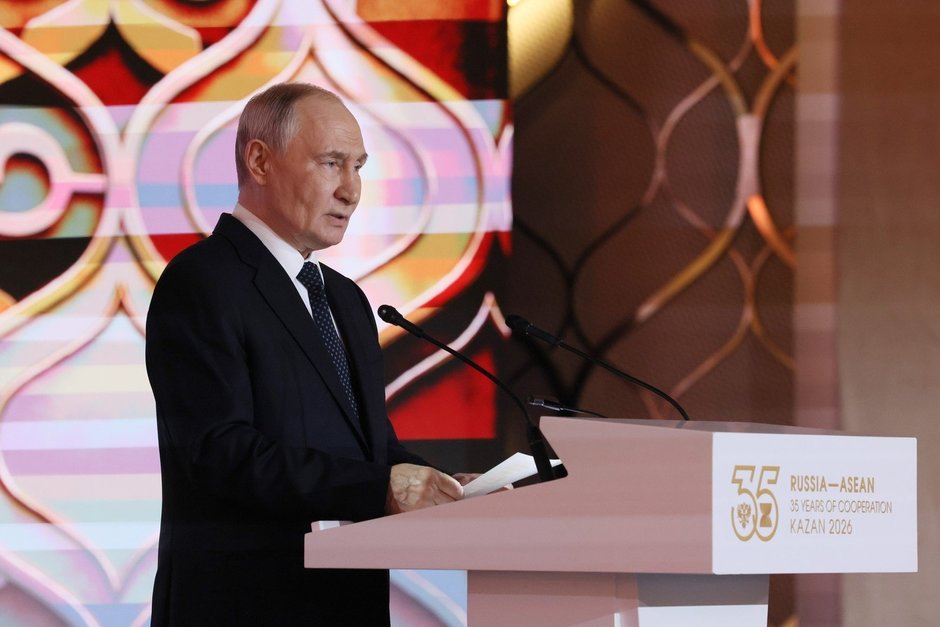
In the afternoon, Russian leader Vladimir Putin arrived in Kazan. At a ceremonial reception in honor of the guests and participants of the summit, the President expressed confidence that Russia's partnership with ASEAN will reach a new level.
To ensure security, the Kazan Declaration and a joint action plan have been prepared for approval. According to the President, these documents should contribute to strengthening Russia's strategic partnership with the Association of Southeast Asian Nations. The head of state declared his readiness to expand ties in all areas.
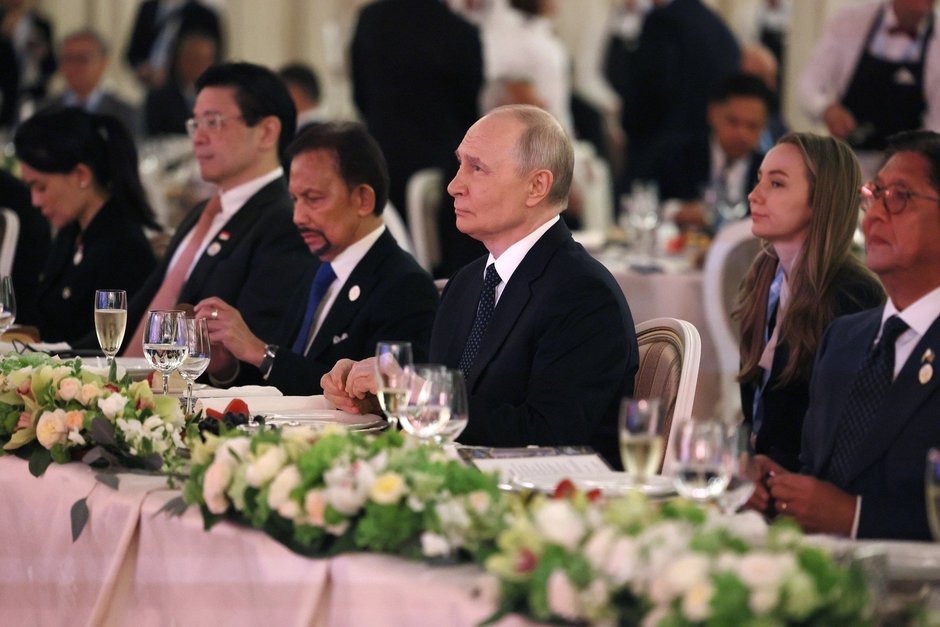
— I am confident that we can look to the future with optimism, since Russia-ASEAN cooperation rests on strong bonds of friendship and mutual assistance, and accumulated positive experience of partnership work, — Vladimir Putin emphasized.
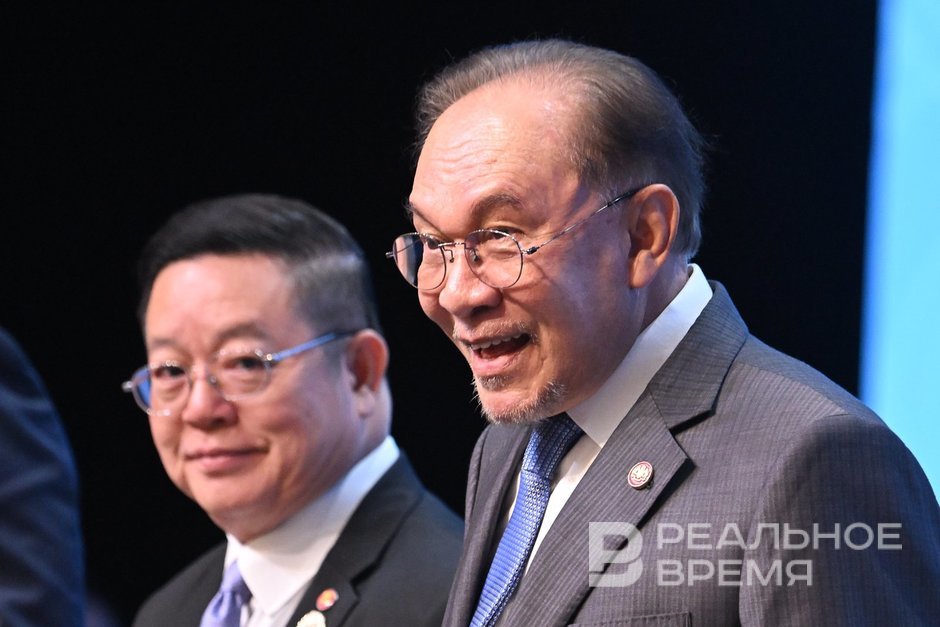
Upon arrival in Kazan, he began a series of bilateral meetings. The first interlocutor of the head of state was Philippine President Ferdinand Marcos Jr. Later, the Russian President also met with the Sultan of Brunei Darussalam Hassanal Bolkiah, Malaysian Prime Minister Anwar Ibrahim, and Turkish Foreign Minister Hakan Fidan.
Before the talks, Vladimir Putin, together with Tatarstan's Rais Rustam Minnikhanov, visited the Annunciation Cathedral of the Kazan Kremlin and the Kul Sharif Mosque. And a ceremonial reception on behalf of the Russian President was held at the Kamal Theatre.
On Thursday, the Kazan Russia-ASEAN summit will continue its work.