Anton Kobyakov: “What Russia has will soon be needed by everyone. This will be a permanent shortage”
The Russian president's advisor named promising areas of cooperation with ASEAN countries
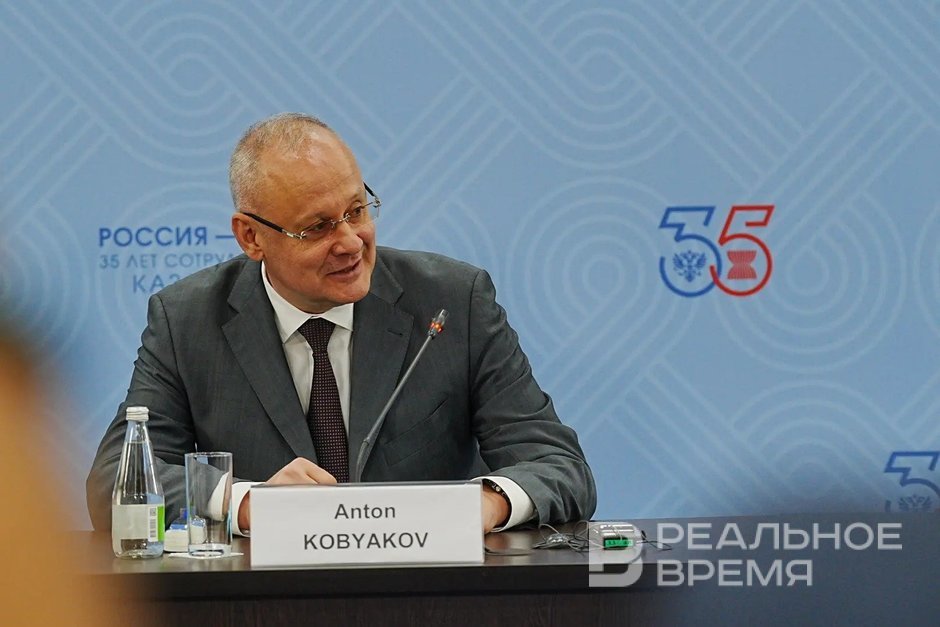
Against the backdrop of the situation in the Middle East, Russia “is performing the function of a genuine energy shock absorber.” “If it weren't for Russia's supplies to Asia, then the actions of the United States in the Persian Gulf, according to experts' calculations, would have driven global oil prices to $140 per barrel. Today, Indonesia, Malaysia, Singapore, and the Philippines buy our oil and petroleum products from ASEAN countries; the rest buy slightly less, and some are actively negotiating," said Anton Kobyakov, advisor to the President of Russia and executive secretary of the organizing committee for the Russia — ASEAN summit currently taking place in Kazan. What else Russia is ready to offer the association is in the material by Realnoe Vremya.
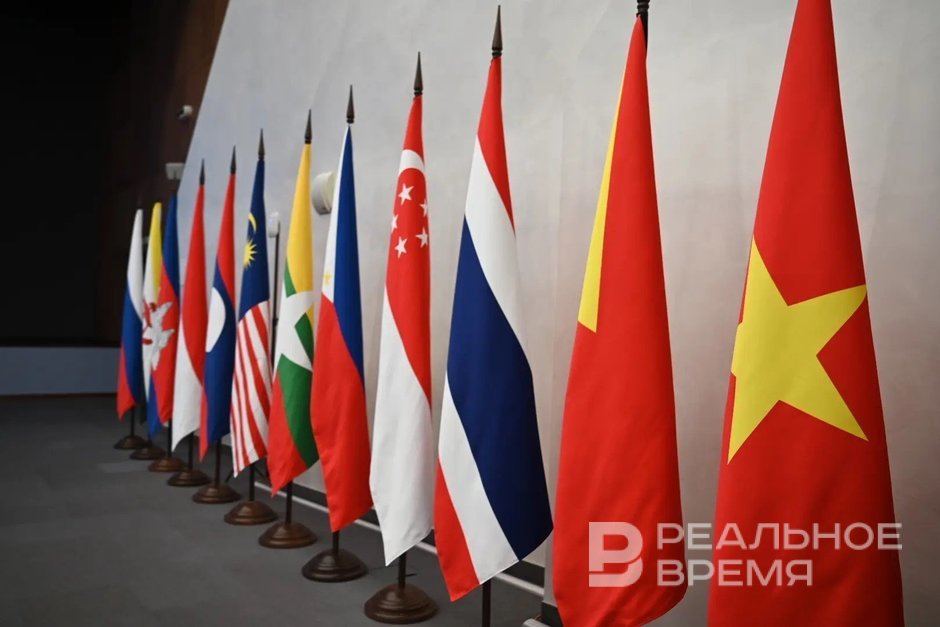
Four out of 11 ASEAN countries already buy Russian oil, some are negotiating
Anton Kobyakov, advisor to the President of Russia and executive secretary of the organizing committee, recalled that the Russia — ASEAN summit is taking place within the framework of the 35th anniversary of relations, and its main theme is “Partnership without Borders.”
— This is an opportunity to take stock and assess the scale of the work done over these decades, — he said.
What can Russia offer ASEAN, and what can our friends and partners in Southeast Asia offer us?
— If major geopolitical players are deliberately destroying commodity markets — which is what we are currently seeing in the Middle East — then Russia is performing the function of a genuine energy shock absorber. If it weren't for Russia's supplies to Asia, then the actions of the United States in the Persian Gulf, according to experts' calculations, would have driven global oil prices to $140 per barrel. Today, Indonesia, Malaysia, Singapore, and the Philippines buy our oil and petroleum products from ASEAN countries; the rest buy slightly less, and some are actively negotiating, — the president's advisor said.
Other promising areas of cooperation include artificial intelligence, cybersecurity, AI technologies specifically in fintech, space satellite technologies, and bioeconomics. “We would like to propose to our friends from ASEAN countries to begin work on a policy document that would establish the humanitarian foundations of IT technologies and artificial intelligence technologies," Anton Kobyakov stated.
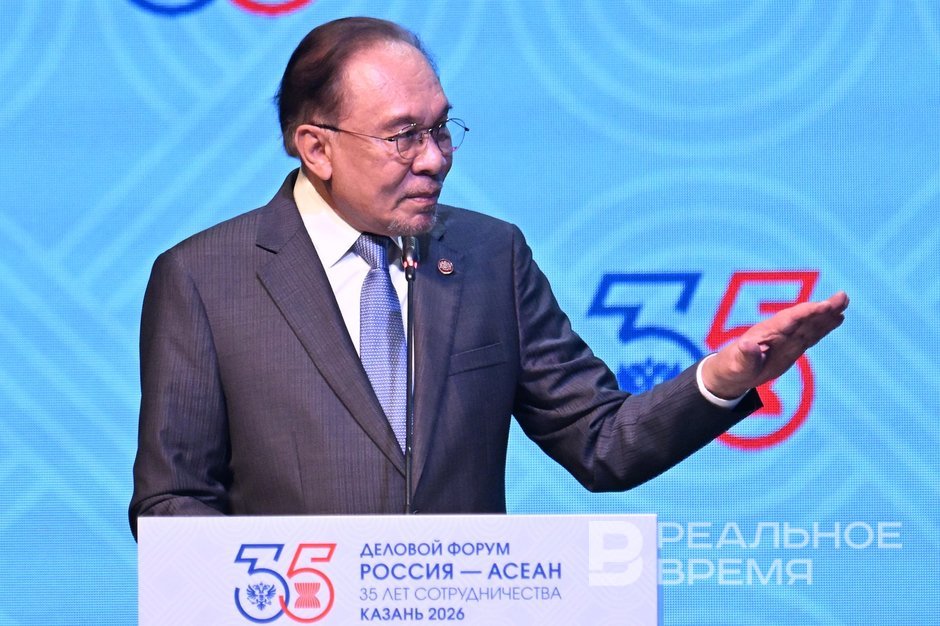
“Russia has something to offer. We are not forcing anything on anyone”
Food security and food sovereignty stand apart.
— Russia has something to offer. We are not forcing anything on anyone. In fact, we would even put it differently — please come, we are ready to share our capabilities. But objectively, the situation is such that what Russia has will soon be needed by everyone. This will be a permanent shortage. The world will face a food crisis in the next few years, and it is made up of several factors. Some of them are man-made, such as the consequences of what we are now seeing in the Middle East, as well as climate change, — Anton Kobyakov particularly emphasized.
What opportunities exist for cooperation between Russia and ASEAN in this area today? “Our countries have good potential in the exchange of food production technologies, as well as in the production of agricultural machinery," he replied. “The priorities of the large-scale plan for expanding Russia — ASEAN cooperation include the fishing industry, aquaculture, and the experience of fish exchanges organized in several ASEAN countries. But the main thing is still fertilizer, an artificial shortage of which is being created by the United States, and it will make itself fully felt next year. Especially the price increase, which will cause a spike in food inflation, will be noticeable in Southeast Asia.”
“We need to increase the volume of mutual trade. $21.5 billion is not that much for an economy worth several trillion dollars”
Cooperation in the field of payment systems is also relevant. There are already several solutions for cross-border payments, the president's advisor stated: “They all work; they don't block anyone, and nothing gets stuck. Some ASEAN countries also have their own national systems, such as Thailand. The integration of payment systems is the most obvious area of cooperation that we can develop with ASEAN countries. Mutual success is possible if we combine efforts in the area of cross-border payments and settlements in national digital currencies.”
According to experts' calculations, the use of digital financial assets and stablecoins will accelerate trade turnover between Russia and ASEAN countries by 95%. Transaction times will be reduced from 2–5 days to 7–8 seconds.
— But we need to increase the volume of mutual trade. $21.5 billion is not that much for an economy worth several trillion dollars. Already in the next couple of years, that is, by approximately 2028, with the synchronization of each other's legislation regarding our digital financial assets recognized by ASEAN countries, especially Vietnam, Indonesia, Malaysia, Thailand, and Singapore, trade turnover could grow by up to 30%, or even up to 50%, due to the removal of sanctions barriers and instant transactions. These instruments will significantly bring us closer to creating a common capital market, and not only with ASEAN countries, — Anton Kobyakov said.
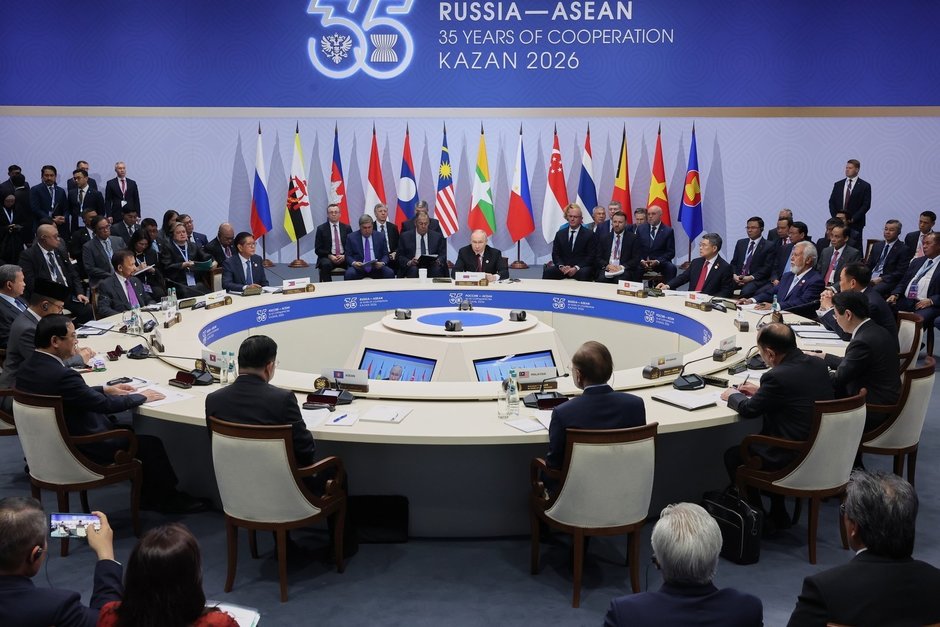
— This, I think, is beyond doubt; we will continue and expand our cooperation. For this, as mentioned above, we need to know more about each other, jointly discuss key global economic and geopolitical problems, and develop common approaches. Russia has always supported and will continue to support ASEAN in its desire to preserve the region as a space for joint development and cooperation, not confrontation. In this regard, I would like to remind you that Russia, we, have a worthy platform for strengthening contacts in Asia, including Southeast Asia, — the president's advisor concluded.