“Ulysses” in the Dock
How the Irish writer James Joyce's masterpiece was banned
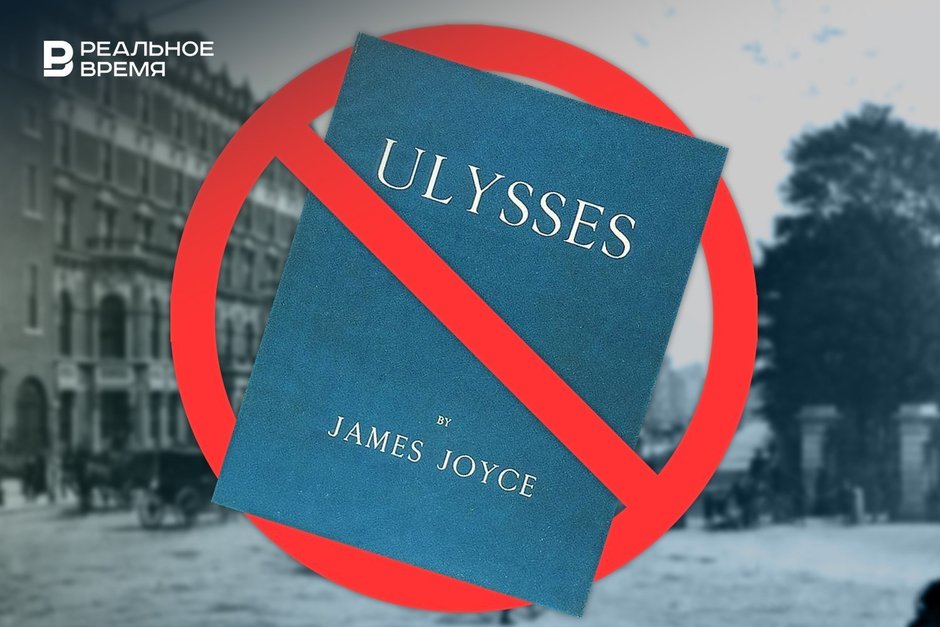
Today, June 16, readers around the world will once again relive the day of Leopold Bloom — the hero of James Joyce's novel “Ulysses.” Since the mid-1950s, this celebration has been called Bloomsday. Admirers of the writer's work gather, read excerpts from the novel, and discuss their favorite book. Additionally, for Bloomsday, the publishing house Alpina Non-Fiction has released Kevin Birmingham's work “The Most Dangerous Book," which describes the history of the novel's creation, publication, and years of bans. The literary critic of Realnoe Vremya, Ekaterina Petrova, tells the story of the path “Ulysses” took to reach its readers.
A celebration for one novel
As Kevin Birmingham writes in “The Most Dangerous Book," Joyce began writing “Ulysses” in 1915 under extremely difficult circumstances. He had no steady income or reader success, and World War I had broken out. At the same time, the idea quickly grew from a short story for the collection “Dubliners” into a monumental novel that turned one June day in Dublin into a “fractal of Western civilization.”
The novel's conception itself occurred on June 16, 1904. It was on this day that Bloomsday began to be celebrated. Joyce transferred the events of Homer's “Odyssey” to his contemporary Dublin: advertising agent Leopold Bloom took the place of Ulysses, Stephen Dedalus became Telemachus, and ordinary city routes gained mythological parallels. Today, Bloomsday is celebrated in approximately 200 cities across 60 countries. Participants dress as characters from the novel, hold readings, act out scenes from the book, and retrace the characters' routes. The main center of the celebration remains Dublin, where the first celebration took place in 1954 with only five participants, and half a century later, thousands of guests attend the events.
In Russia, Bloomsday is traditionally celebrated at the St. Petersburg bookstore “Vse Svobodny.” This year, the celebration is connected not only to the novel but also to the release of the Russian version of Birmingham's book. The store will host a literary marathon: from morning to evening, participants will read selected fragments of “Ulysses.” In the evening, “The Most Dangerous Book” will be presented, and translator Alexandra Glebovskaya, editor Maria Vedyushkina, and bookstore founder Lyubov Belyatskaya will discuss the history of the novel and its publication.
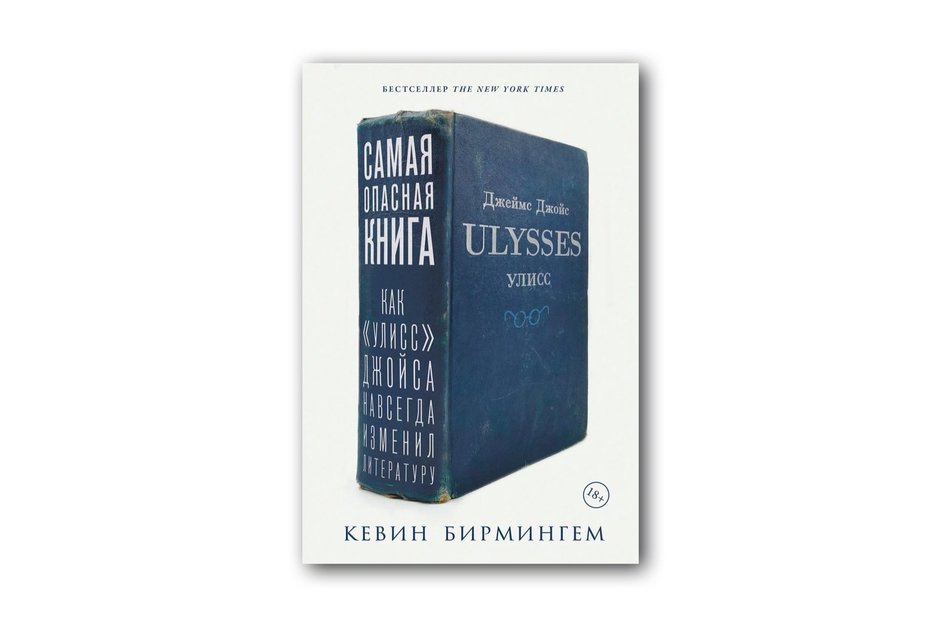
“Ulysses” was officially or unofficially banned in almost all English-speaking countries, while American publisher Sylvia Beach continued to release new editions in Paris despite confiscations and burning of copies. Today, the situation looks different: “Ulysses” is translated into dozens of languages, and around 100,000 copies are sold annually. As Kevin Birmingham notes, there are practically no other literary events of this scale: once a year, Leopold Bloom's fictional day extends beyond the book and becomes part of real life.
The “Ulysses” Case
In the spring of 1917, the American magazine The Little Review was looking for new texts and new readers. At that moment, Ezra Pound joined it as foreign editor. As Kevin Birmingham writes in “The Most Dangerous Book," Pound and publisher Margaret Anderson quickly found common ground: both were interested in “experiment, freedom of thought, and individualism.” By the end of the year, the magazine ran under the motto “No compromise with public taste," and Pound had already received the first chapters of “Ulysses” from James Joyce. After reading the manuscript, he recognized the novel as an outstanding work and wrote to the author:
“In short, Mr. Joyce, as far as I'm concerned, you're a first-rate writer, that's how I see it. And this novel of yours is one hundred percent literature.”
However, admiration quickly collided with American laws. Even before publication, Pound began deleting individual lines. From the chapter about Leopold Bloom, he removed about thirty lines, including physiological details. Joyce sharply objected and promised to restore all cuts, “even if it takes another ten years.” At the same time, Pound himself feared less the text than the authorities' reaction. He asked lawyer John Quinn whether mentions of urination, religious mockery, and other controversial passages violated the law. According to Birmingham, Pound was trying to understand “where the line is” so that the magazine would not be shut down before the novel could appear.
His fears proved well-founded. In 1918, The Little Review began serializing “Ulysses," and the American postal service almost immediately took an interest in the publication. Formally, censorship began in 1919 with the episode where Bloom remembers Molly's kisses. A postal employee, after reading the excerpt, wrote to his superiors:
“The creature that writes this rubbish, 'Ulysses,' should be put in a test tube for study.”
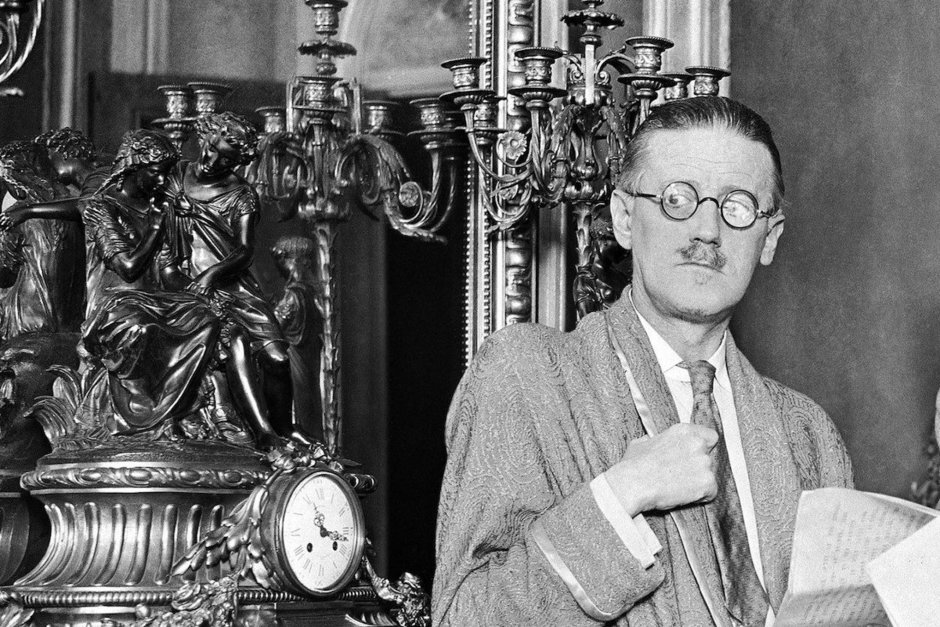
Soon, the post office banned the mailing of one issue of the magazine, and then other issues also came under prohibition. Birmingham notes that the authorities saw a threat not only in the sexual scenes but also in the magazine itself, which had long been under surveillance due to its connections with radical political circles.
The turning point came in the summer of 1920 after the publication of the “Nausicaa” episode. The head of the New York Society for the Suppression of Vice, John Sumner, saw in the scene between Gerty MacDowell and Bloom a new form of obscenity. The reason for the official investigation was a complaint from businessman Ogden Brower, who found the controversial issue of the magazine among his teenage daughter's mail. After a test purchase at a bookstore on Washington Square, authorities issued an arrest warrant for publishers Margaret Anderson and Jane Heap. John Quinn tried to stop the process and urged Sumner to drop the prosecution, but without success.
The trial began in the fall of 1920 and quickly turned into a debate about who had the right to judge literature at all. Quinn compared Joyce to Shakespeare and Dante, invited experts, and argued that the novel's complex style could not corrupt anyone. One witness even stated that the average reader would simply not understand the text. The judges remained indifferent. “We don't care who James Joyce is, even if he wrote the best book in the world," one of them declared, as Birmingham recounts. In February 1921, the court found Anderson and Heap guilty of publishing obscene material. After this, serialization of “Ulysses” in The Little Review ceased. The novel remained unfinished, and its American history of fighting censorship was only beginning.
The Paris route
The news of the “Nausicaa” verdict reached Joyce at a difficult moment. He came to the Shakespeare and Company bookstore and told Sylvia Beach:
“Now my book will never be published.”
As Kevin Birmingham tells it, Beach asked: “Would you like me to publish 'Ulysses'?” Joyce answered briefly: “I would.” Thus, the owner of a small English-language bookstore in Paris took on the publication of a novel that had already been accused of obscenity and caused scandal on both sides of the Atlantic.
The decision looked risky. Beach planned to publish a huge English-language book in France, without the support of a major publisher. She chose a private subscription model: she announced subscriptions, began raising money in advance, and planned to pay typesetting bills as orders came in. The promotional prospectus informed readers that “Ulysses," which had been “banned four times during serialization in The Little Review," would appear in its complete authorial version. Orders came from all over the world. Beach recorded subscribers' names in a green notebook, including William Butler Yeats, William Carlos Williams, Wallace Stevens, Winston Churchill, and John Quinn, who ordered fourteen copies at once.
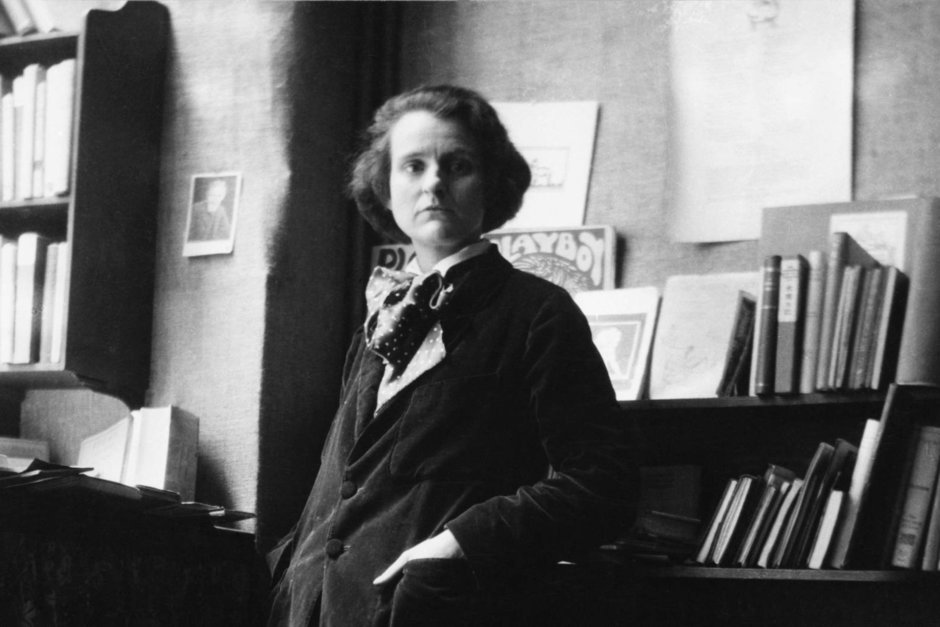
Meanwhile, the book itself continued to grow. Birmingham writes that Joyce constantly postponed the novel's completion date and used proofs as an opportunity to continue working on the text. The typesetter, Maurice Darantière in Dijon, received galley proofs covered with arrows, insertions, and new fragments. The writer did not just correct errors but kept writing the novel during the typesetting process. According to Birmingham's calculations, nearly a third of the final text of “Ulysses” appeared precisely on galley proofs and corrected prints. The typesetters assembled the book by hand, letter by letter, although many of them did not even know English. The costs increased, but Beach continued to pay the bills and allowed the author to rework the text as much as he saw fit.
On the morning of February 2, 1922, Joyce's fortieth birthday, Beach met the train from Dijon at the Gare de Lyon with the first copies of the book. That same day, she presented the writer with two finished volumes. One copy appeared in the window of Shakespeare and Company, and the next morning a crowd gathered outside the shop. Birmingham describes the book as an imposing volume of 732 pages, weighing about one and a half kilograms. Visitors demanded to buy the display copy, and in the end, Beach hid it in the back room. Reviews were favorable, demand quickly grew, and the first print runs sold out within months. Paris transformed “Ulysses” from a banned manuscript project into one of the most talked-about books of the year.
However, publication did not mean free distribution. In the spring of 1922, copies began arriving in the US in packages stamped “Un livre” — “A Book.” There, they were sold at significantly higher prices than the original, and a real frenzy grew around the novel. But American authorities continued to consider “Ulysses” illegal.
Beach looked for ways to deliver books to subscribers, and when regular shipping became too risky, informal intermediaries helped. One of them, Barnet Braverman, smuggled copies across the Canadian border one by one, ferrying them between Windsor and Detroit. According to Birmingham, he risked confiscation and arrest daily but managed to deliver all the books to their recipients.
The Last Ban
In the spring of 1922, the fate of “Ulysses” began to be decided not by readers but by officials. After the novel's publication in Paris, a British citizen filed a complaint with the British Home Office. The Observer newspaper then wrote:
“Obscenity? Yes. Without any doubt, this is an obscene book.”
The Home Office requested information about bookstores selling the novel, and by the end of the year, an Assistant Undersecretary of State ordered the interception of all copies entering the country by mail. The basis for this decision was complaints and newspaper reviews, not a court case.
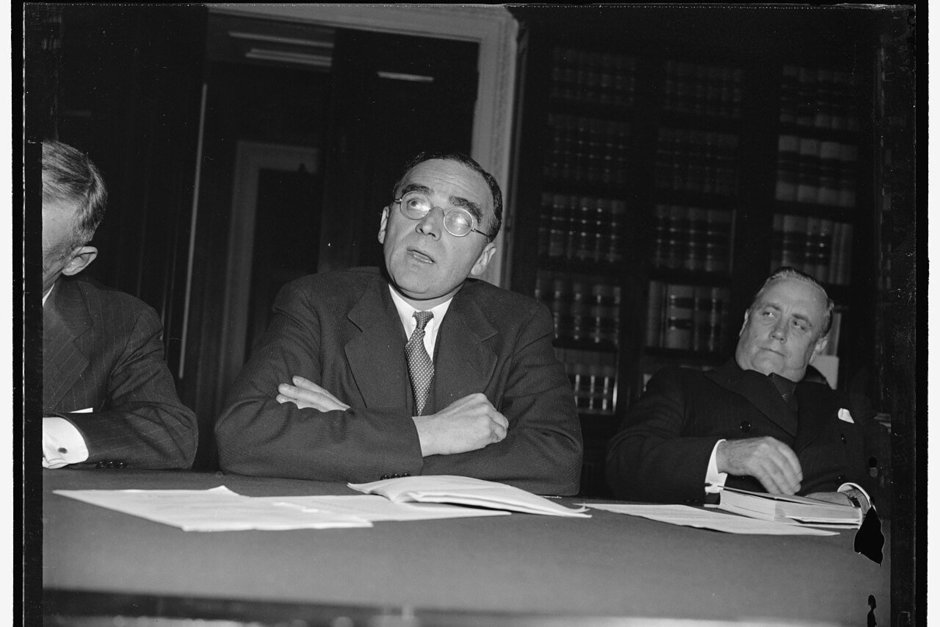
The reason for the final decision soon arose on its own. Birmingham writes that in December 1922, a customs officer at Croydon Airport discovered a copy of “Ulysses” brought from Paris. The book's owner objected that it was a significant literary work already being discussed by leading British journals. However, officials forwarded the book to the Home Office and then to the Attorney General, Archibald Bodkin. He admitted that he had not read the entire novel and had only looked at the final pages. Nevertheless, on December 29, he announced that he saw in the book “not only vulgarity and coarseness” but also “pure immorality and obscenity.”
From January 1, 1923, this position became official. British customs gained the right to confiscate and destroy copies of the novel. Within a few weeks, authorities detained a shipment of five hundred books belonging to The Egoist Press and then burned them in the “Royal Furnace.”
While British officials seized books, American lawyer Morris Ernst was looking for a way to break the system of bans. He decided not to challenge the Comstock Act directly — the 1873 US federal law that prohibited mailing any materials deemed “obscene, lewd, or lascivious.” Instead, Random House organized the importation of one copy of “Ulysses” from France and arranged for its confiscation. Ernst aimed to shift the debate from the realm of morality to that of literature. As Birmingham writes, he built his defense on a simple idea: “Ulysses” is a “modern classic," and a classic cannot be considered obscene. For the upcoming trial, he even had reviews from famous critics pasted into the book so they would become part of the physical evidence.
The plan nearly failed. When the copy arrived in New York on the steamer “Bremen," customs officers initially passed it without inspection. Ernst then personally returned to the port and demanded that his own book be confiscated. As a result, the case did reach federal court. In the fall of 1933, Judge John Woolsey spent several weeks reading the novel and additional studies about Joyce. At the hearing, the parties unexpectedly agreed on one point: both the defense and the prosecution acknowledged the literary significance of the book. The debate was no longer about the quality of the novel but about whether individual explicit passages could justify banning the entire work.
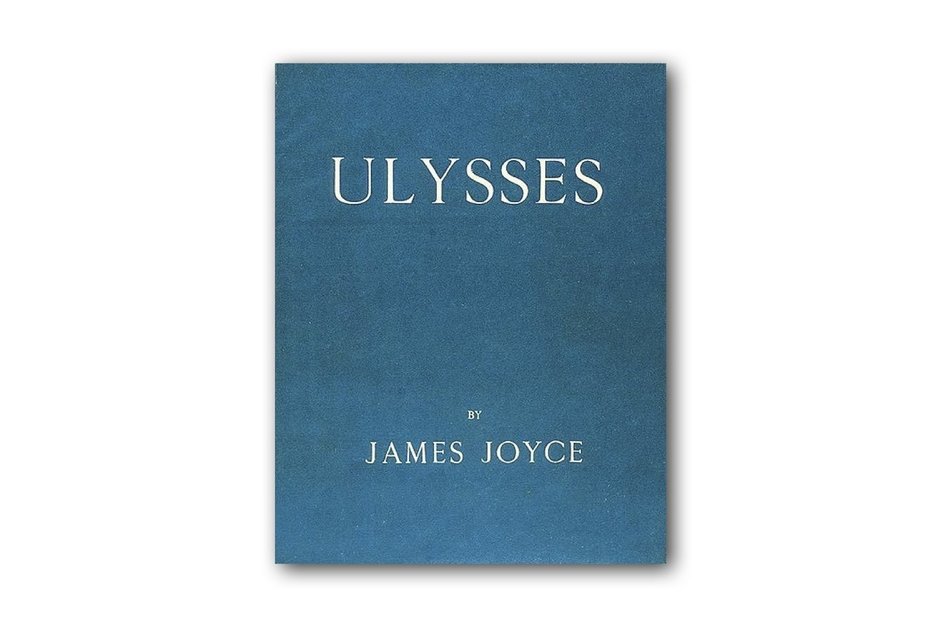
On December 7, 1933, Woolsey issued a ruling that changed the history of “Ulysses.” The judge stated that Joyce “honestly attempted to express fully what his characters think," and that the explicit episodes served the author's artistic purpose. He noted that many parts of the novel had seemed unpleasant to him but that he had not found “lewdness for lewdness's sake” anywhere. In his final decision, Woolsey called “Ulysses” an “unsurpassed masterpiece” and ruled that the book could enter the United States. Within minutes of the ruling being announced, Random House released its prepared American edition. In the first months, sales exceeded all publishers' expectations.
The victory in the US quickly affected British policy as well. The Home Office closely watched the American proceedings, and publishers increasingly demanded permission to publish the novel. In the fall of 1936, officials again discussed the “Ulysses” case. This time, the Attorney General stated that when assessing the book, the author's intent and context must be taken into account. After the meeting, the authorities decided not to take any further action against the novel, and customs and postal services were notified not to interfere. Thus ended the fifteen-year struggle between the state and “Ulysses.” As Birmingham notes, the ending was unexpectedly mundane: no one argued anymore; officials simply stopped obstructing the book.
Ekaterina Petrova — literary critic for the online newspaper Realnoe Vremya, host of the Telegram channel «Булочки с маком».