Greater Eurasia at KazanForum 2026: What brings Tatarstan closer to the growing economies of the CIS countries
The plenary session of the International Economic Forum “Russia — Islamic World” discussed prospects for cooperation
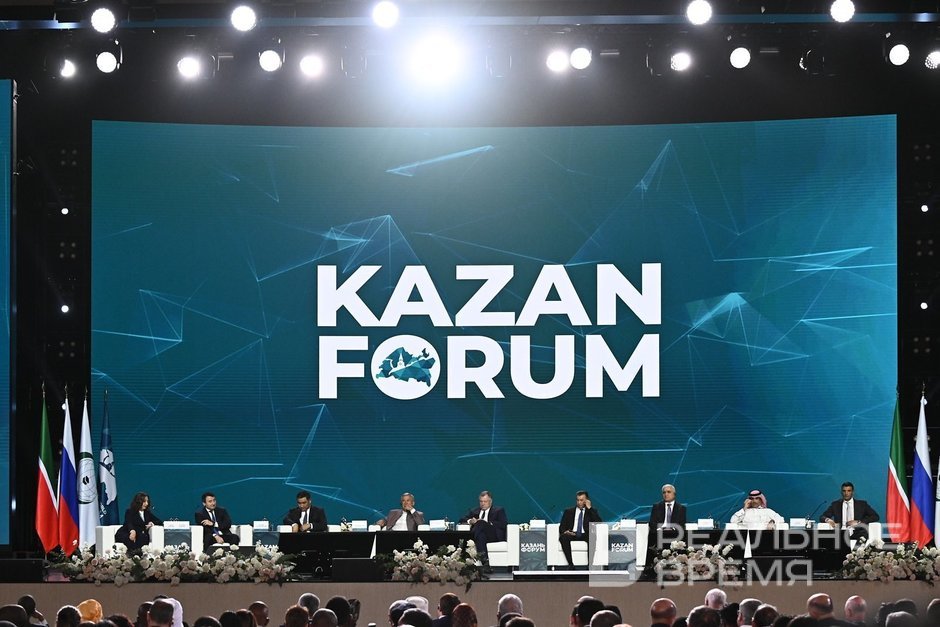
Deep localization in mechanical engineering, transition to green technologies in energy, implementation of digital technologies in production management — these are the strategic priorities of the CIS countries, which have entered a new stage of economic transformation after 2022. At the plenary session of the International Economic Forum “Russia — Islamic World," Deputy Prime Minister of Uzbekistan Jamshid Khodjaev boasted an inflow of investments of $42 billion, Deputy Prime Minister of Kyrgyzstan Daniyar Amangeldiev — an annual GDP growth of 10–11%, and the authorities of Azerbaijan — a multiple increase in transit cargo. The turn from North to South has indeed changed the economy of Central Asia beyond recognition. “What is most important? Trust!” urged Minnikhanov to strengthen cooperation with Tatarstan, with which friendly ties have historically developed.
How to turn a point on the map into a growth point
The rich business program of the XVII International Economic Forum “Russia — Islamic World: KazanForum” has come to an end. At the final plenary session with the participation of high-ranking guests from Muslim countries around the world, they summed up the development in the Greater Eurasia space and outlined prospects for the future. The theme of the plenary session was “From points on the map to growth points: uniting technological and financial initiatives.”
“The true potential is revealed when they (territories — editor's note) turn into growth points, hubs where technology meets capital, and entire ecosystems are born. Tatarstan has already proven the possibility of uniting technology and finance," explained Rustam Minnikhanov in his opening speech.
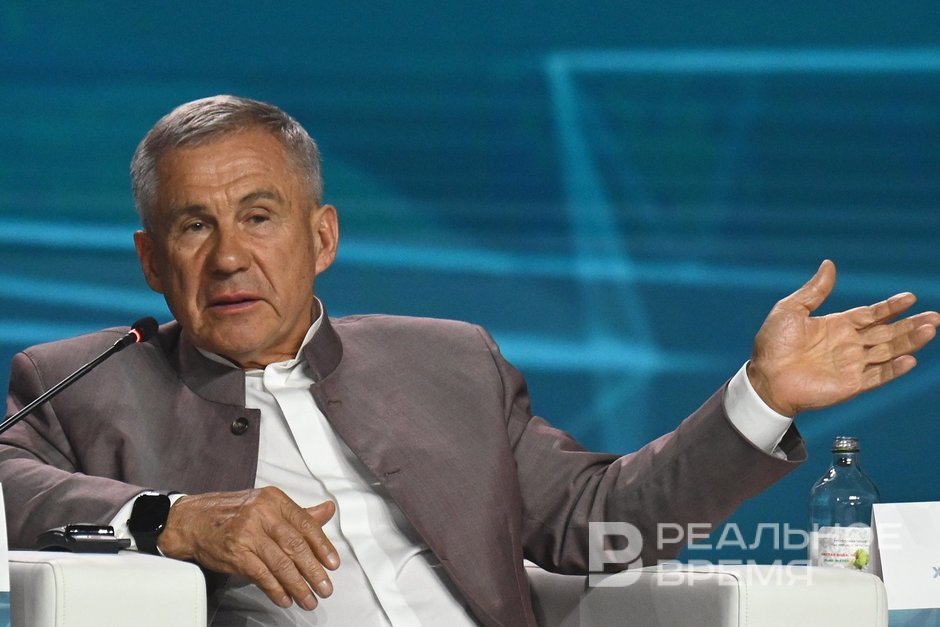
As it later turned out, there is no need to look for complicated paths. Uzbekistan, Tajikistan, Kyrgyzstan are clear examples of how the North–South corridor has opened up new opportunities for the economies of Central Asian countries.
Last year, a record volume of real estate was commissioned in the country
The first report was given by Deputy Chairman of the Government of Russia Marat Khusnullin, who focused on the dynamics of construction in the country.
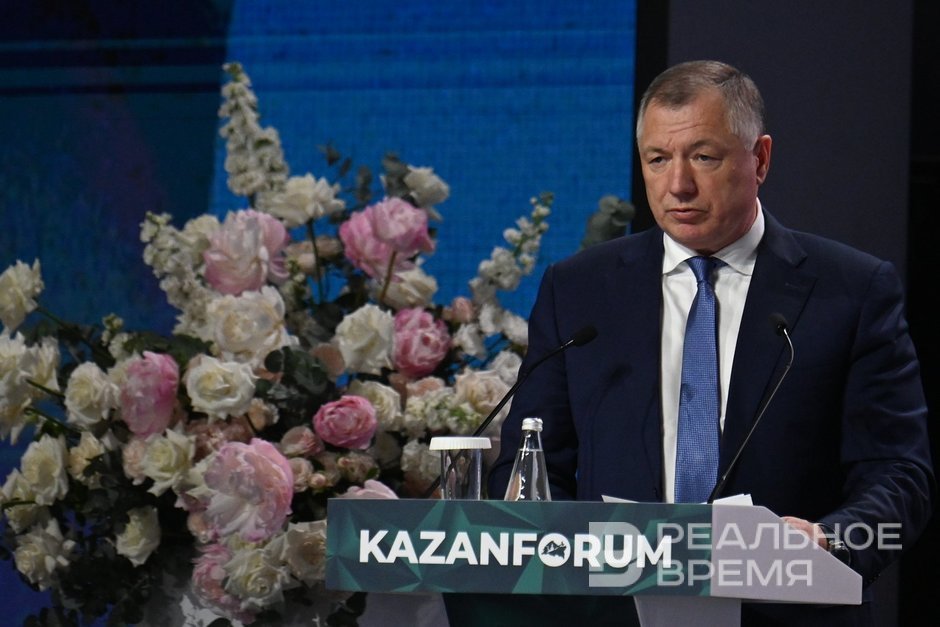
According to him, neither sanctions nor the fact that Russia is actively conducting a special military operation have affected the volume of housing construction. The population is an active investor, and all conditions are being created for them to purchase housing.
“Last year, a record volume of real estate was commissioned in the country. We built 150 million square meters of real estate!” reported Marat Khusnullin. 2025 was also the year of the largest volume of individual house construction — 63.5 million square meters were delivered. “We are building the necessary infrastructure around housing. We are transferring all developers to digital services — there are currently more than 2,000 of them in the country. Full monitoring of this work is being carried out," noted Khusnullin. 4.5 trillion rubles will be allocated for the modernization of communal infrastructure by 2030, he assured.
“The turn of the Russian economy and logistics flows from West to East has influenced the country's development plans," noted Russian Deputy Prime Minister Marat Khusnullin. But he did not elaborate on this topic.
Meanwhile, experts have repeatedly pointed out that the restriction of traditional trade routes through the north in the European direction has led to a reorientation through Central Asia and the Caspian region, and under these conditions, the importance of transit through Azerbaijan and Tajikistan has sharply increased.
Islamic finance, DFA and halal: what do we have in common
Tatarstan is most closely linked to the growing economies of Muslim countries. The share of the Organization of Islamic Cooperation countries in Tatarstan's foreign trade turnover exceeded 50% and amounted to 7.4 billion, Minnikhanov reported. For comparison, Kyrgyzstan's foreign trade turnover with Russia was only 5 billion (a figure later provided by Kyrgyz Deputy Prime Minister Daniyar Amangeldiev, — ed.). He called for Tatarstan to be considered a region of Russia that will become a “bridge between Europe and Asia.” The republic's orientation towards the application of Islamic finance also unites them.
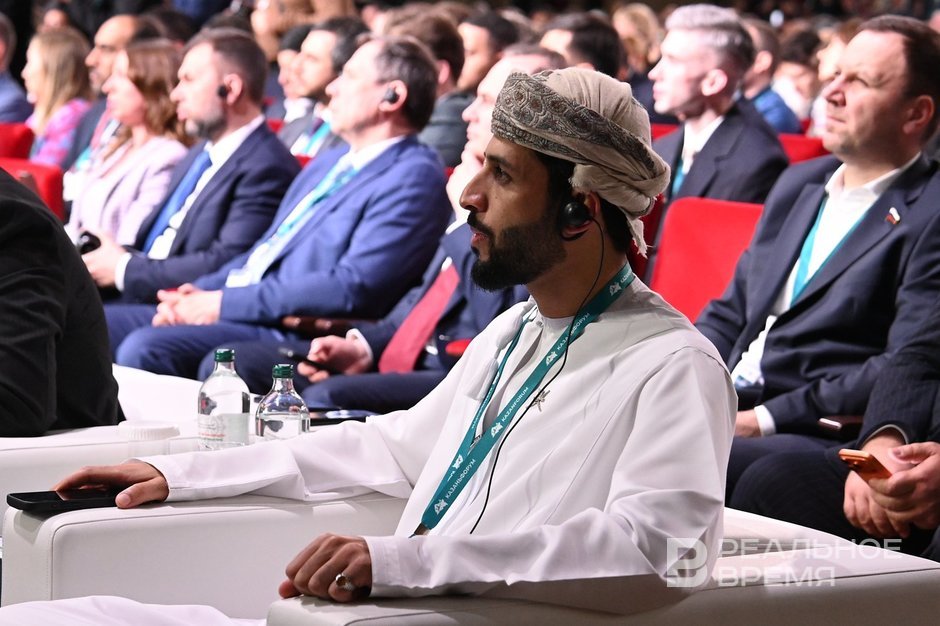
Rustam Minnikhanov reported that about 35 billion rubles were attracted to the Russian Federation as part of the experiment on partnership financing, which is six times more than in 2024. In general, he considers the transition to digital tools promising.
On the global market, the volume of Islamic fintech companies is about 200billion, and by 2029, it is forecast to increase to 340 billion. The global average growth rate is 11.5%," he added. The global average growth rate is 11.5%," he added.
“There are about 500 Islamic fintech companies in the world from more than 40 countries. This is evidence of the stability, growth of the industry and the preservation of a dominant position in various sectors and regions," stated the Rais (Head) of Tatarstan.
Investment boom in Uzbekistan
Last year, 43 billion were invested in Uzbekistan's economy, and this year the goal is to master over 50 billion, reported Uzbek Deputy Prime Minister Jamshid Khojaev. Behind these figures are specific international partners in almost all key sectors of industry and energy.
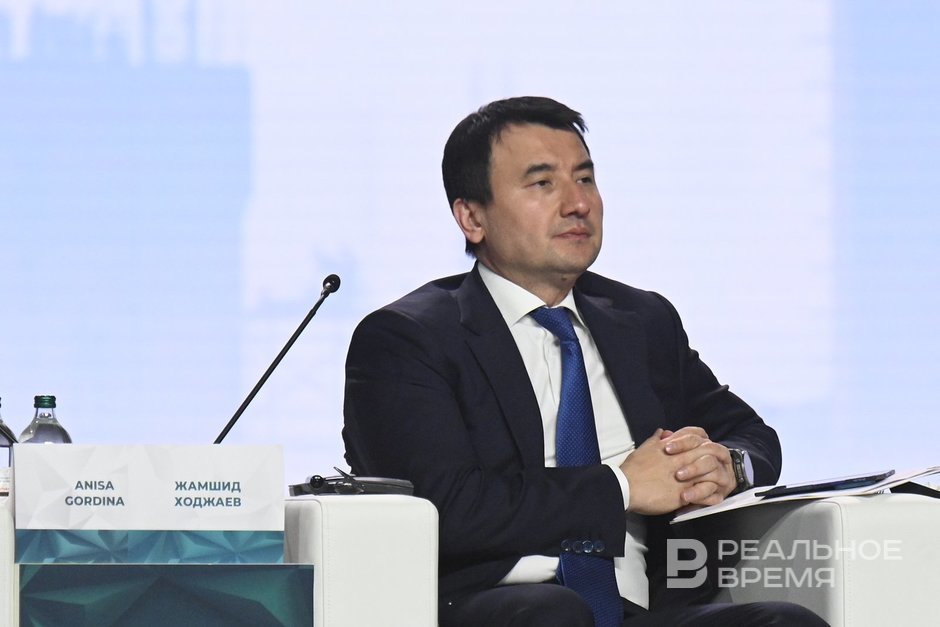
Many European companies operate in the country's market, such as Total, ID, Linde. The presence of Chinese giants, including Datang, China Power, Shanghai Newbel Energy, is strong. Rosatom operates in the field of nuclear energy. In the field of critical minerals and strategic raw materials, Uzbekistan cooperates with King, Itochu, Cour Capital, Trexis and others.
“This indicates that Uzbekistan is becoming an integral part of the strategic chains of the global energy and industry," noted Khodjaev.
Russia remains one of Uzbekistan's key economic partners. But it is important for the authorities that relations move from ordinary trade to industrial cooperation.
“These can be joint ventures for technological partnership in logistics, mechanical engineering, energy, agricultural processing and personnel training. This is also where the key role of Tatarstan lies. We see great potential, and we already have practical examples of cooperation," said Jamshid Khodjaev.
“Uzbekistan today offers its partners not one-off projects, but a long-term platform for joint growth," he noted during the plenary session.
Kyrgyzstan has been growing for four years in a row, Tajikistan lures with benefits
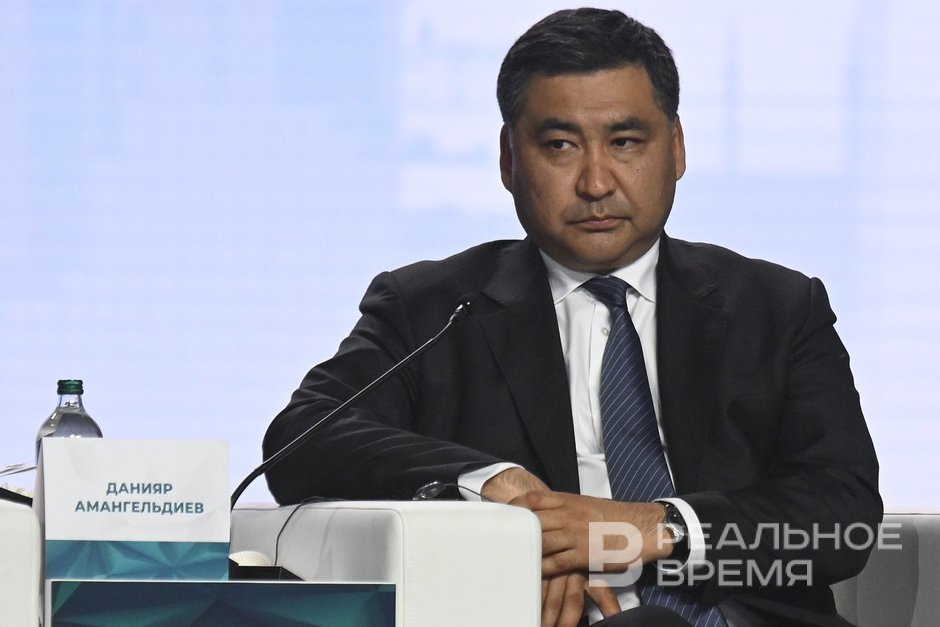
The authorities of Kyrgyzstan have identified strategic directions in the field of digital transformation, green energy and innovation, said Deputy Prime Minister of the government of the republic Daniyar Amangeldiev. He noted impressive economic indicators: at the end of 2025, the real GDP growth of the country exceeded 11%, and for the fourth year in a row this indicator has remained at no less than 10%.
According to him, relations are currently being built with international financial institutions to expand access to global markets, and a flexible financing system is being built in the country. A tax reform has been carried out, and a law on investment protection is in force with 40 countries around the world. The number of permitting documents has been halved, to 430.
“All this contributes to the creation of a favorable investment climate," noted Amangeldiev.
Tajikistan's economy is also thriving. The country has strengthened its energy independence and accelerated the pace of industrialization while maintaining extremely low inflation within 5%, said Prime Minister of the country Kokhir Rasulzoda. The country's GDP grew by 8% at the end of 2025.
The main areas of cooperation with the Russian Federation are mechanical engineering, petrochemicals, and digitalization, he named.
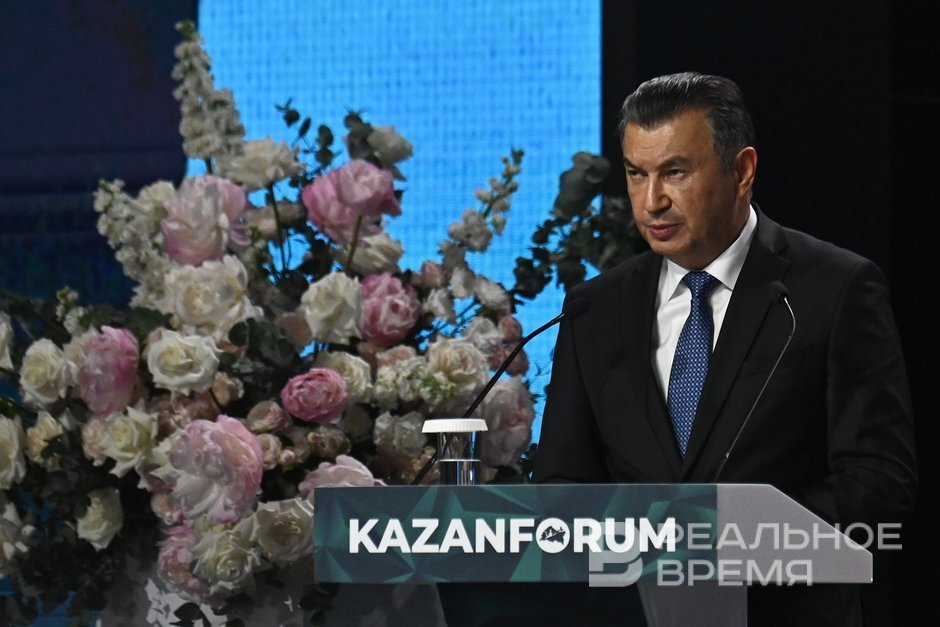
“What hinders the attraction of financing for infrastructure projects?” the moderator asked him.
First, volatility in the foreign exchange market. This makes it difficult to plan business projects. Second, differences in technical standards and regulations between countries. To mitigate risks, changes have been made to the tax code, 240 types of tax preferences have been introduced, including 110 customs exemptions. An investment attraction strategy until 2040 has been adopted. Rasulzoda noted that the authorities are trying to create predictable conditions for private investors.
The authorities of the CIS countries are unanimous that Russia remains an important economic partner, Tatarstan plays a key role in interregional ties, but relations must move to a new technological level.