Tokens and currents: how energy prices shape the global map of bitcoin mining
Access to cheap energy resources has become the key factor in cryptocurrency mining profitability
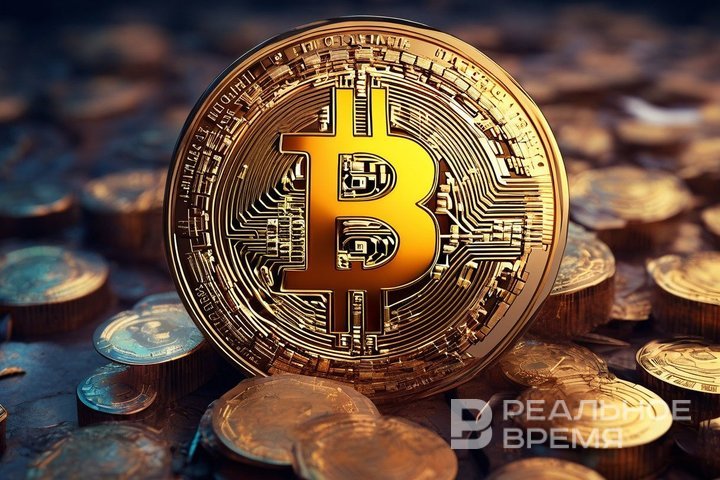
Bitcoin has finally established itself as an energy currency — a digital asset whose value is directly converted from the electricity consumed. Each coin represents crystallised energy, where the cost of a kilowatt-hour becomes the fundamental measure of value. According to the economic model of mining, it is estimated that miners spend up to 60% of their income on electricity. After the 2024 halving, which reduced the block reward to 3.125 BTC, and as the network reached record difficulty levels, Bitcoin mining has transformed into a global system for distributing energy resources. In this new paradigm, profitability is determined less by technological superiority than by access to the cheapest sources of energy, making Bitcoin a unique financial instrument directly backed by electricity, notes digital economist Ravil Akhtyamov in his column for Realnoe Vremya.
Global redrawing of the energy map
The annual energy consumption of the Bitcoin network amounts to around 154.9 TWh, according to the Cambridge Bitcoin Electricity Consumption Index. Such levels of energy use have radically reshaped the industry’s geography since China’s 2021 ban on cryptocurrency mining.
Table 1: Mining economics in key countries (2024–2025)
Country | Share of Hashrate | Electricity Cost per 1 BTC | Main Energy Sources |
USA | 38–40% | $107,300 | Shale gas, renewables |
China | 14–21% | $15,000–25,000 | Coal, hydropower |
Russia | 4–12% | $39,700 | Gas, hydropower |
Kazakhstan | 6–8% | $32,400 | Coal |
Canada | 5–7% | $45,000 | Hydropower, wind energy |
The United States maintains its leadership, benefiting from a decentralised energy system and access to shale gas. China, despite official restrictions, continues to hold a significant presence through illegal farms and proximity to equipment manufacturers.
Russian realities: regional imbalances and legislative challenges
In 2024, Russia legalised mining, setting a consumption limit for individuals at 6,000 kWh per month without requiring business registration. However, profitability varies greatly by region.
Table 2: Comparative conditions for mining in Russian regions
Region | Tariffs (₽/kWh) | Annual Costs for 12 Devices | Mining Conditions |
Khakassia | 4.2–4.8 | ~1.31 million | Best conditions for small-scale mining |
Krasnoyarsk Territory | 4.5–5.2 | ~1.33 million | Optimal for large farms |
Tatarstan | 6.3–7.1 | ~1.40 million | High tariffs, well-developed infrastructure |
Irkutsk Region | 4.8–5.5 | ~1.35 million | Low household tariffs |
According to research by the ACRA rating agency, the Republic of Khakassia and the Krasnoyarsk Territory lead in low electricity costs. The scale of the industry in Tatarstan is notable: more than 5,000 mining farms operate there, accounting for about 3% of the Russian market.
The energy paradox: environment vs profit
Table 3: Structure of bitcoin network energy consumption
Energy Source | Share in Energy Mix | Leading Countries of Use |
Hydropower | 23.12% | China (Sichuan), Russia (Siberia) |
Coal | 22.92% | Kazakhstan, China |
Natural gas | 21.14% | USA, Russia |
Wind | 13.96% | USA (Texas), Canada |
Nuclear | 7.94% | USA, France |
Solar | 4.98% | USA, UAE |
The Bitcoin industry is showing progress in sustainable development. More than 54% of its energy now comes from low-carbon sources. Miners increasingly rely on renewables, locating farms near hydroelectric plants in Iceland and Canada or using geothermal resources.
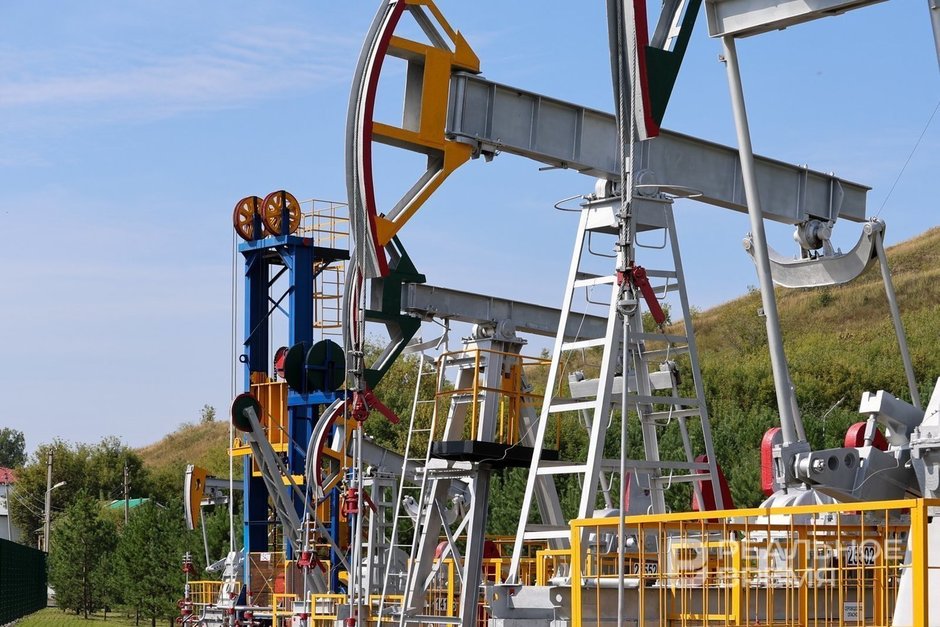
In Russia, there is a growing trend of cooperation between miners and the oil and gas sector to utilise associated petroleum gas. This not only boosts profitability but also helps address environmental challenges. In 2025, the mining industry is betting on strategic efficiency and diversification of business models to remain profitable amid rising network difficulty and declining block rewards.
Key trends and future strategies
Energy efficiency as the foundation of profitability. Investment in cutting-edge equipment remains crucial. Modern ASIC miners such as the Antminer S21 Pro and Whatsminer M63S set new standards, achieving energy efficiency of 28–30 J/Th with high computational power. Beyond owning equipment, miners are increasingly using cloud mining models and investing in publicly traded mining companies, allowing them to earn income without operational maintenance costs.
Diversification and synergy with other technologies. Mining equipment is beginning to be used for other tasks. Major companies are exploring ways to combine mining centres with data centres for artificial intelligence, enabling flexible allocation of computing power and revenue from multiple sources. Household solutions such as “miner-heaters”, which heat spaces while generating cryptocurrency, are also gaining popularity, converting cooling expenses into useful heat.
Strategic adaptation to new realities. In response to rising electricity prices, miners are migrating en masse to regions with affordable tariffs — such as Texas, Canada, and Kazakhstan — and actively adopting renewable energy sources such as solar panels and wind turbines. To extend the lifespan of costly equipment and further reduce energy consumption, advanced cooling technologies, including immersion cooling, are being deployed. Bitcoin mining has evolved from a technological vanguard into a global energy industry, where success is defined by access to cheap kilowatts. The geography of the industry clearly reflects economic realities: countries with abundant energy resources are becoming centres of digital extraction.
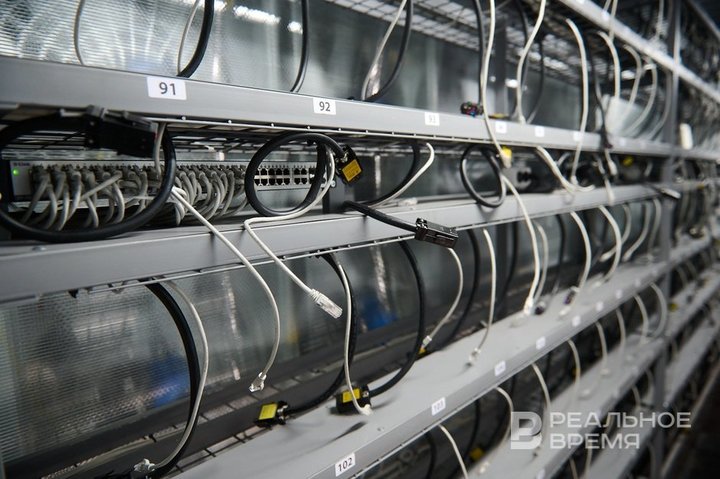
For Russia, this opens up significant opportunities, especially for energy-rich Siberian regions. However, without a balanced tariff policy and investment in energy efficiency, local miners risk remaining on the periphery of digital transformation. Current industry growth rates in Tatarstan and other regions confirm that Russia has every opportunity to strengthen its position on the global mining map.