Insufficient funding and outdated facilities: challenges faced by Tatarstan’s sanatoriums
Despite consistently high occupancy rates, there is not enough money for upgrades
In the first eight months of 2025, Tatarstan’s sanatoriums received 110,000 guests — the eighth highest figure in Russia. Overall, occupancy throughout the year almost always exceeds 90%, yet industry representatives still point to insufficient funding. This, in particular, prevents the renewal of outdated accommodation and the expansion of sanatoriums to meet growing demand. It is worth noting that not everyone who wishes to can get into these health and wellness institutions — rooms are booked many months in advance. More on the situation in the sanatorium market — in Realnoe Vremya’s report.
Course set for the Urals
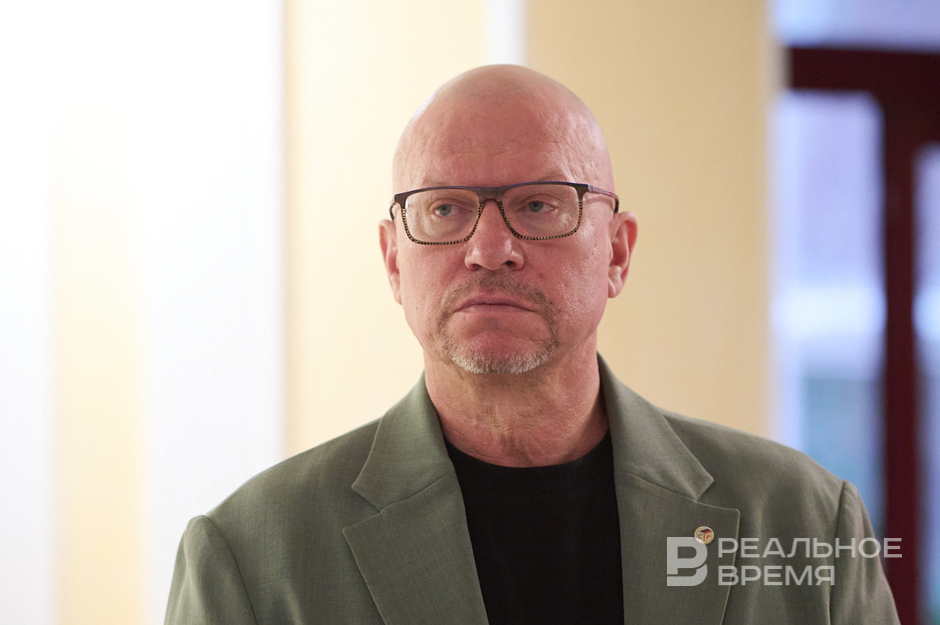
Over eight months, Tatarstan’s sanatoriums received 110,000 guests. This is the eighth result in Russia and the second in the Volga Federal District. The number increased by 0.6% over the year. This was reported by the head of the Association “Sanatoriums of Tatarstan”, Yevgeny Terentyev, during a press tour of the republic’s facilities.
“The result is small, but still a positive one. Across Russia as a whole, we are seeing a decline in the number of people vacationing in sanatoriums, while Tatarstan remains in the ‘green zone’,” he said.
According to him, the number of holidaymakers from Tatarstan itself is growing — a positive trend. At the same time, it is necessary to strengthen the focus on tourists from other regions. In particular, there are plans to target the Urals after the opening of a new highway.
“Our association has taken the initiative to actively engage with the Ural region. The opening of the new highway to Yekaterinburg and Tyumen creates favourable logistical conditions. The experience of the M-12 Moscow–Kazan highway has already proven effective: we are observing an increase in the number of tourists from Moscow, the Moscow region, and the central parts of Russia. Next year, we plan to participate in tourism exhibitions in Yekaterinburg and Tyumen,” Terentyev explained.
Last year, Tatarstan’s sanatoriums were visited by about 180,000 people. At full capacity, the facilities can accommodate between 330,000 and 350,000 guests, Terentyev continued, noting that the potential reserve is almost double: “We consider a 15–20% increase to be a realistic goal.”
At the same time, representatives of the industry state that sanatoriums enjoy year-round popularity — average occupancy reaches 97–98%. Guests are forced to book rooms several months in advance.
Outdated rooms and lack of funding
Despite being in the “green zone” and maintaining consistently high occupancy, the sanatorium sector of Tatarstan faces a number of challenges. Most of them, paradoxically, are related to insufficient financing. Terentyev spoke about this to Realnoe Vremya.
“The sanatorium and resort sector faces several systemic challenges. The main problem is the condition of the accommodation: there are not enough rooms, and their quality often fails to meet modern guest expectations. Existing rooms require deep renovation — in some cases, cosmetic repairs are enough, but in others, major capital investments are needed to create comfortable conditions. At the same time, medical equipment and treatment facilities need upgrading, though high-quality domestic analogues are already emerging,” he explained.
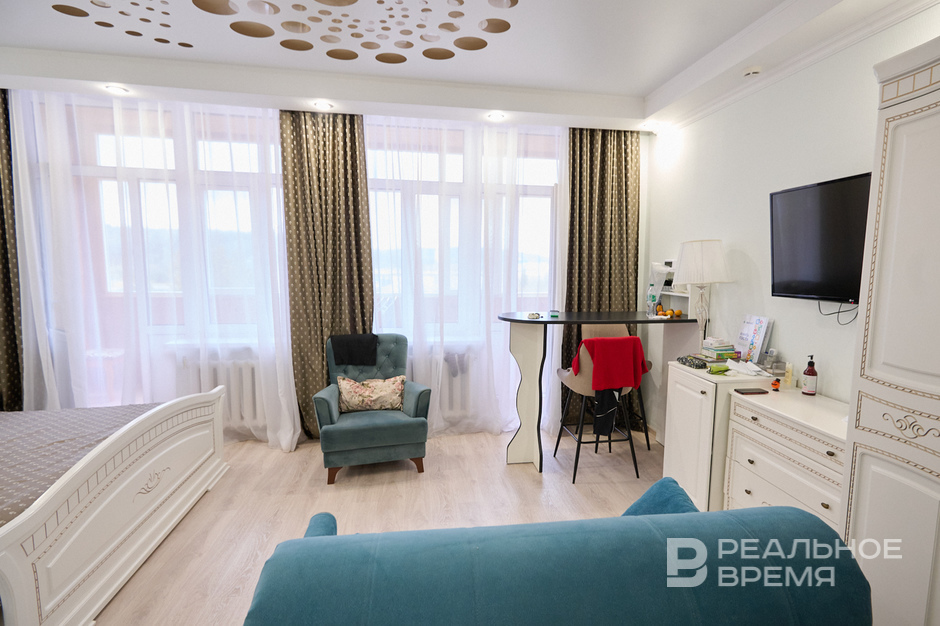
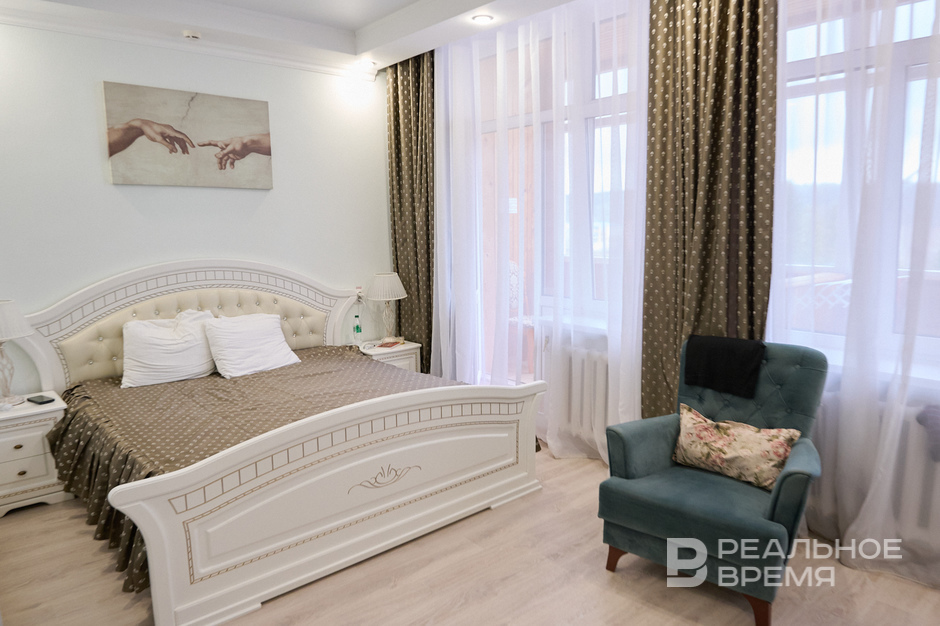
According to the head of the association, about 70% of the accommodation stock needs refurbishment. This includes both cosmetic repairs, which should be carried out every two to three years of operation, and major repairs involving the replacement of engineering systems and communications.
“The sanatorium and resort industry remains a complex business, situated at the intersection of medicine and hospitality. This deters many investors, as it is rare to find managers equally proficient in both areas. However, interest in the sector is starting to form — both among large investors and hotel owners who are gradually adding medical services through spa departments, obtaining licences, and expanding the range of treatments,” he told Realnoe Vremya.
At present, large-scale investments in the sanatorium industry are mainly made by companies with state participation. The government itself does not yet have “serious” support programmes. Current initiatives are aimed at the hotel business, without taking into account the specifics of health resorts.
“We have been observing a slowdown in demand growth since the middle of last year after a period of active expansion. Tatarstan still maintains positive dynamics, but it is already necessary to work on competitive advantages — these may include price, quality of services, service standards, or modern facilities. Next year will be a challenging one for the industry,” Terentyev added.
The slowdown in demand is associated with several factors: the increasing availability of foreign destinations and the declining purchasing power of the population. At present, the market “has reached a plateau, and its further trajectory remains unclear.”