Valery Shapiro: “All the children who were treated with us pass through my heart”
A pediatric oncohematologist — about the revolutions in his specialty and how much light there is in it
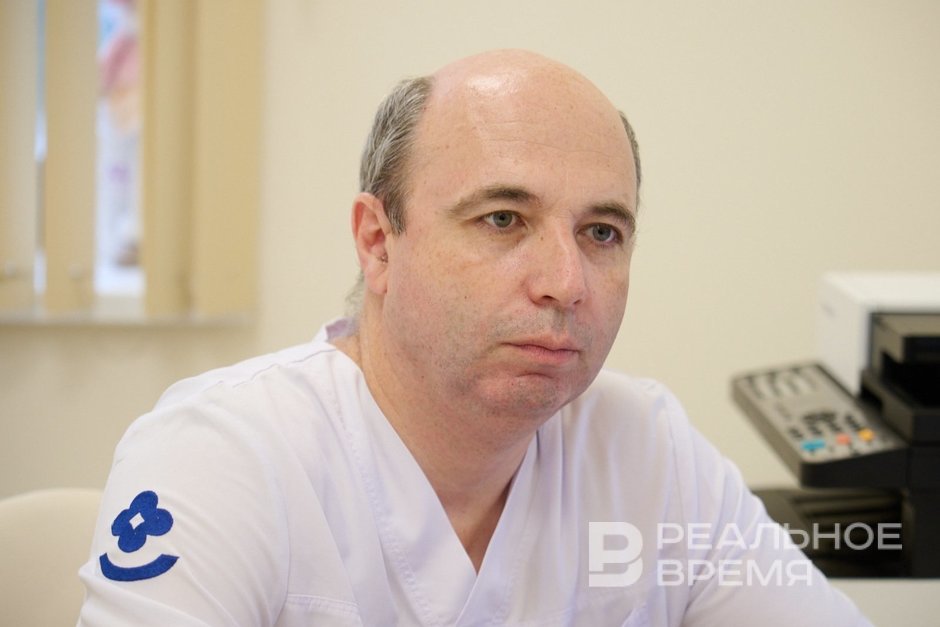
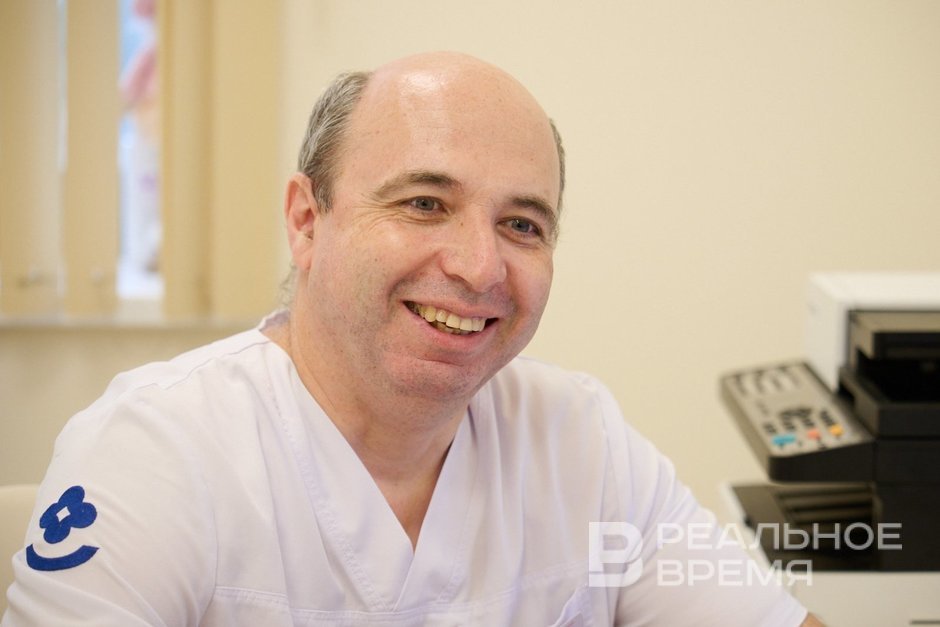
In pediatric oncohematology much has changed over the past decades. The hero of our portrait today, laureate of the “Doctor of the Year — Ak Chechekler — 2026” award Valery Shapiro, caught the time when leukemia in a child often meant an almost complete absence of chances, while today most patients with these diagnoses recover. New treatment protocols have appeared in the practice of oncologists, targeted preparations that allow acting first of all on tumor cells without causing unnecessary harm to the body. Valery Shapiro heads the oncology department of the Children's Republican Clinical Hospital (DRKB). In his portrait for “Real Time” he speaks about complex cases, medical insights, the pain of losses and the light of hope. He tells about this calmly, without loud words, but with great love for his profession. And he admits: the main happiness for a pediatric oncologist is to hear on the phone the voices of already grown-up patients who, many years after being cured of a formidable diagnosis, call him and tell how their life has turned out.
“In such a family there was simply no other path for me”
The pediatric oncohematologist Valery Shapiro this summer became one of the winners of the “Doctor of the Year — Ak Chechekler” award. He was part of the team of doctors of the DRKB who won in the nomination “Unique Case.” In essence, the medics performed a medical miracle and saved a child who by all prognoses could not survive.
A nine-year-old boy fell ill with acute promyelocytic leukemia. Because of the many complications of the disease, his fatal prognosis was a full 100%. But the doctors refused to give up. The child spent 220 days in the DRKB, underwent 5 complex operations, and was on a ventilator for 17 days. During this time he survived a series of complications, each of which could have been fatal: several hemorrhages in the brain, necrosis of the intestine, sepsis, multiple organ failure… The DRKB doctors fought for the child's life decisively and boldly. They were among the first in Russia to use arsenic trioxide for the treatment of a primary patient with acute promyelocytic leukemia. The risks were enormous, but the patient had no other chances. And the child recovered! He is now in full remission.
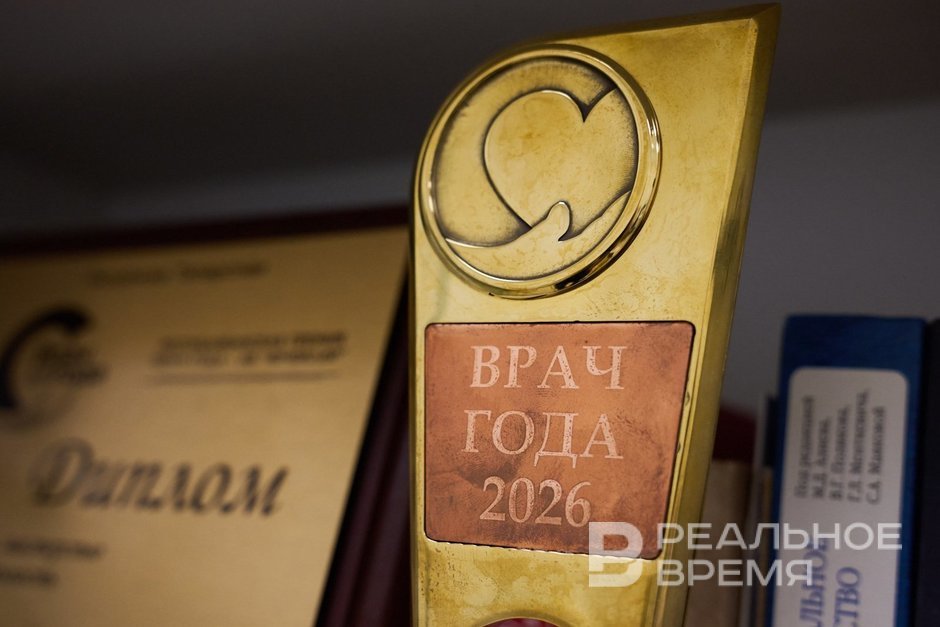
The head of one of the oncology departments of the DRKB, the pediatric oncohematologist Valery Yuryevich Shapiro, took the most direct part in this struggle. He laughs: if a person's fate depends on what books he read in childhood, then with him everything is clear. After all, he read “The Extraordinary Consilium.” This doctor comes from a glorious medical dynasty; he jokes that the profession was apparently laid in his genes.
It all began with his great-grandfather on his mother's side: he was a feldsher. His grandfather on his father's side in 1928 graduated from the medical faculty of Kazan University and worked as a surgeon until 1973. His wife was a pediatrician. Our hero's uncle worked as an engineer at a factory where medical instruments were manufactured — for example, it was he who, together with surgeons, developed the first ultrasound scalpel that appeared in Kazan. Our hero's father, the psychiatrist Yuri Grigoryevich Shapiro, became one of the first narcologists of Kazan and participated in the creation of the narcological service in the republic.
— Papa liked working with patients. He considered this not simply his work, but his calling. He said that his task was to make sure that as many people with alcoholism as possible stayed alive. Among his patients were high-ranking officials and marginals. Many of them stopped drinking and saw in papa support for their choice. The entire population of our district treated him very respectfully; when papa and I walked through the city, someone was constantly greeting him and starting a conversation. He knew how to find a key to each person, knew how to sympathize with people. And they knew it: patients would often come to his home to consult about something, and when we got a telephone — they called, including at night. And he tried to help everyone, recalls Valery Yuryevich. — You understand, this was not his work. It was his hobby, his favorite occupation. Even after retiring, father did not abandon this business — he gave lectures for patients, conducted psychotherapeutic sessions, wrote articles… And I think that in such a family there was simply no other path for me.
But even for a native of such a family it turned out to be not easy to begin this path: the first time, in 1987, Valery Yuryevich could not enter the medical institute. He worked for a year in the vivarium at the department of pathological physiology — caring for laboratory animals, and along the way listening to the stories and conversations of medical students who were engaged in scientific research. The second time it worked out, and in 1988 our hero became a student of the pediatric faculty.
“After we began using the protocols developed in Germany, survival rose sharply”
Our hero studied in the specialization “General Pediatrics.” In the senior courses the future doctor became interested in hematology. The cycle at the DRKB was conducted by Rafael Zakarievich Shammasov, a well-known pediatric oncohematologist, who at that time headed the oncohematological beds of the somatic department. And it was precisely this cycle that became one of the defining events in Valery Yuryevich's professional life. Another crucial role was played by the time in which this happened — a time of drastic changes in oncohematology.
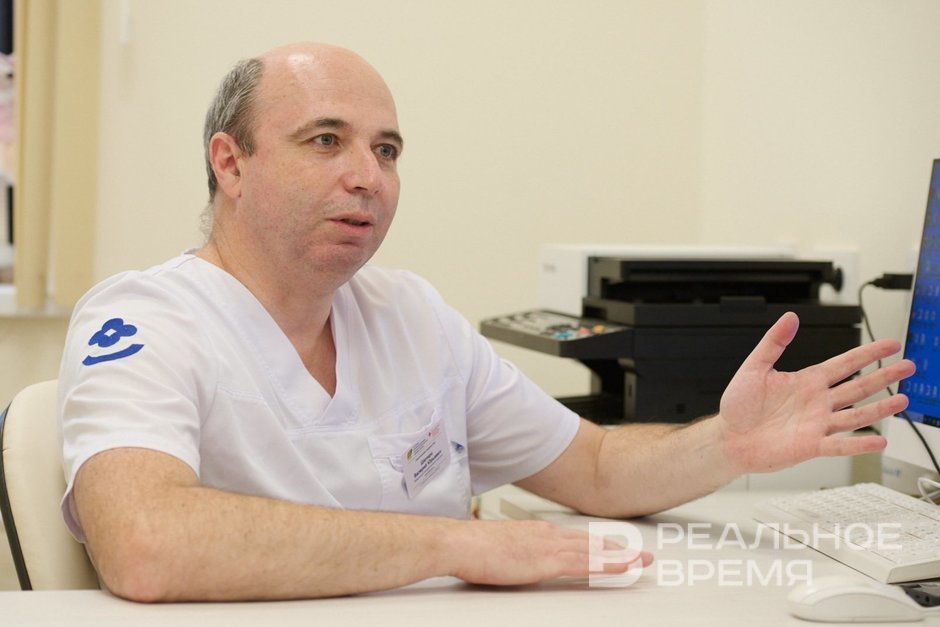
— After the Chernobyl accident and the collapse of the Soviet Union, many Western medical ideas began to enter our practice as well. By the mid-1990s a new, German protocol for the treatment of acute lymphoblastic leukemia — the BFM group — began to spread in Russia. And the results of treatment improved sharply! Before 1990, in the very best clinics of the country 30% of patients recovered, and on average in Russia — 5%. I know only one boy who was treated according to the old schemes and who remained alive in long-term remission. The rest of the patients of those years, unfortunately, passed away. But when we began to use the protocols developed in Germany, the survival of these patients rose sharply to 60%. Then — to 80%, as Russian doctors gained experience and improved results. Then — even higher. Patients no longer relapse. Almost 90% of those who are treated for leukemia according to modern protocols live a long happy life without relapses! recalls Valery Yuryevich about the times of the revolution in oncohematology.
It was precisely this period of a sharp change of paradigm that he caught, while still a student, during the cycle of oncohematology at the DRKB. Our hero decided to become a hematologist. He entered the residency at the department of pediatrics and neonatology of the GIDUV (now — KSMA), did it on the basis of children's city hospital No. 1 — there the children's city hematological center was based. The mentor of Valery Yuryevich became the docent Mukhametvasil Minnekhanovich Zaripov.
Studying in residency, as our hero recalls, was very interesting — first of all because in those years residents could work more independently and more involved than now.
— We did not walk as “little tails” behind the doctors, but worked ourselves, were on duty in the emergency room of the hospital. The load there was large, because in the DRKB in those years the second building had not yet finally opened and the city hospitals took on many patients. Various somatic pathology accumulated in our emergency room: poisonings, paroxysmal tachycardia, severe pneumonias, — there we saw everything. It was not easy to work, but very interesting, says the doctor.
Valery Yuryevich recalls various cases — for example, his “baptism of fire” — a child with an attack of bronchial asthma who was brought in in a very serious condition. In theory, this girl with asthmatic status should have been hospitalized in the intensive care department, but she was brought to the ordinary emergency room, to two residents on duty. They treated her as best they could — they sat over the patient all night, trying to stabilize her condition. But it was possible to fully cope with the attack only after many days of serious treatment.
— And I understood that that night I did everything as needed. The girl remained in a serious condition for so long not because of my mistake; it is simply how her disease runs, says the doctor. — In short, this was the first case when I understood: not everything and far from always goes as written in the textbooks. There are situations when patience is needed. And there are — when decisiveness is needed.
“Hematologists are some of the most broad-profile specialists in medicine”
After finishing residency, in 1996, there was no place in the hematological departments of Kazan for the young doctor. His father — an authoritative Kazan doctor — offered help in finding employment. But Valery Yuryevich professed the principle: one must work where one is wanted, and not where one has to ask to be taken. Therefore he left for Naberezhnye Chelny, to city hospital No. 4, where there was a children's department and a maternity hospital (now this institution is called the KDMC). The young doctor was taken for the vacancy of hematologist, given a place in the dormitory, and he began to work. The department was mixed: there were not only hematological beds. Children with severe pneumonias, with bronchial asthma, with cardiological diseases — with all severe somatic pathology — were treated here too. It was simply that pediatric intensive care in those years in Chelny was only in this hospital. And that means all the children who theoretically might need an intensive care ward were concentrated here.
— Therefore we had to deal with all patients. But after the residency at the First Children's Hospital of Kazan I already knew most of this pathology, and I did not see any unexpected moments for myself there, says Valery Yuryevich.
The load was colossal, because Naberezhnye Chelny of the nineties was a very young city, in which a multitude of children lived. It was interesting to work. But a year later the doctor returned to Kazan — he was invited to his alma mater, to the First Children's Hospital, where a hematologist's position had become free.
In those years children with leukemias, lymphomas, other oncohematological diseases and blood diseases of non-oncological profile were treated there. For example, with hemophilia, which is caused by a deficiency of a blood clotting factor. Rheumatological diseases can also give hematological manifestations. So the hematology department is quite broad-profile.
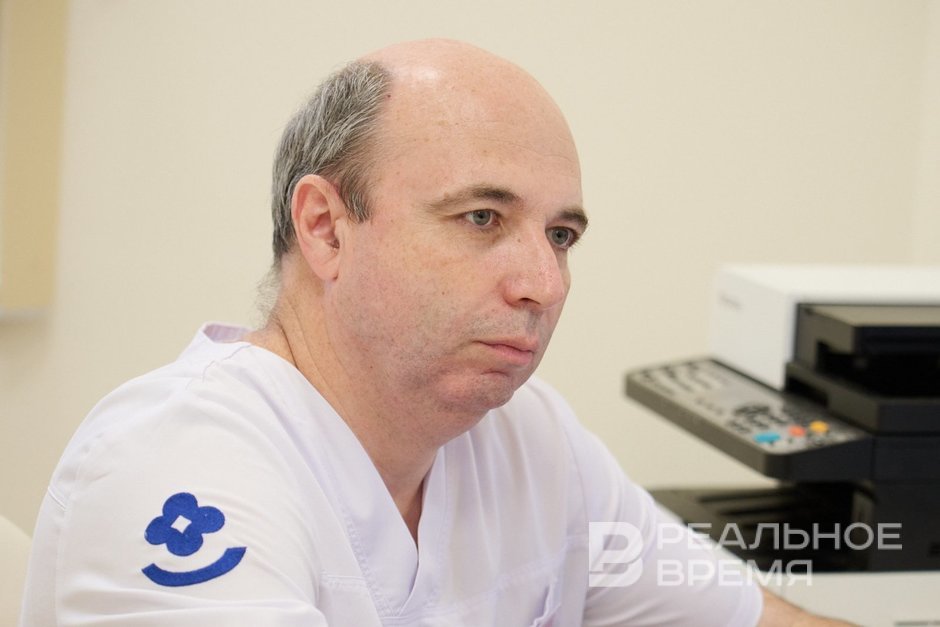
— I can even say that hematologists are some of the most broad-profile specialists in medicine. Because, first, many diseases give various hematological manifestations. Second, when you treat oncological patients, they develop various infectious and non-infectious complications, in which you also need to orient yourself. That means I can be a doctor of a broad profile, says the doctor.
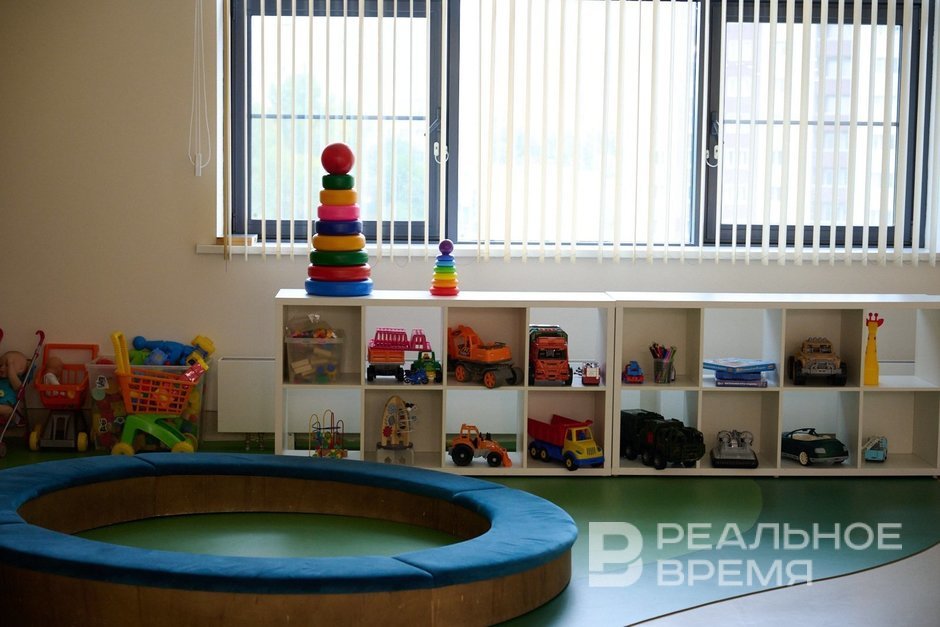
At the First Children's City Hospital Valery Shapiro worked until 2014. Before his eyes a revolution took place not only in the treatment of oncological blood diseases, but also in the management of patients with hemophilia. Before, this was a very dramatic disease; many patients were bedridden and suffered from pronounced joint disorders.
And literally before the eyes of the doctors of that generation to which Valery Yuryevich belongs, blood clotting factors entered medical practice, which can be administered to patients with hemophilia. They stopped endlessly transfusing plasma. The doctors taught patients and their parents to administer the preparations themselves.
— Doctors and nurses conducted a school of hemophilia with the parents of our patients. Enormous work was done, and in the early 2000s these patients disappeared from the hospitals! They now began to be treated at home, being observed on an outpatient basis. The boys began to go in for sports. Now our patients with hemophilia live a completely ordinary life, simply with some peculiarities of medication support. And if they correctly administer the preparations to themselves, then their quality of life is no worse than that of any other person. But at the beginning of my medical activity patients with hemophilia came to us practically every night: with hemorrhages, bleedings. We thawed plasma, administered it to them, in the morning they went home. And by evening they could come again… Now only polyclinic doctors work with them, and such patients enter hospitals only when their diagnosis is first established, says Valery Yuryevich.
“There must be a preparation that, without damaging the body, destroys tumor cells”
In 2014 the doctor received an invitation to come to the DRKB — to one of the oncology departments. Here he concentrates already on oncohematology: he treats leukemias, lymphomas, solid tumors. The doctor explains why so many hematologists work in pediatric oncology: the point is that most oncological diseases in children are connected with blood diseases. In first place in occurrence among children are hemoblastoses: malignant tumor diseases that affect the hematopoietic and lymphatic tissues. These are leukemias (when the tumor process primarily develops in the bone marrow and spreads through the body) and lymphomas (when the primary foci form in the lymph nodes or other organs). In second place — tumors of the CNS.
— But since hemoblastoses are in first place, our main work is precisely these patients. At the same time, for them we have almost 90% event-free survival, that is, stable remission. The treatment of other tumors has also advanced very much; there too we see results. Across all groups of oncological diseases there is improvement, and it is connected not only with chemotherapy! the doctor says with conviction.
He recalls: when he was only beginning to work, the basis of treatment of all oncological patients was chemotherapy. In the nineties very harsh, aggressive chemotherapy protocols were carried out. And simultaneously with the growth of survival they began to get a multitude of complications. Since then the struggle is no longer over who will invent even more intensive treatment. But over who will find a more selective treatment that will strike not the whole body of the child, but only the tumor cells.
— In the early 2000s the wide use of targeted preparations began, says Valery Yuryevich. — The first of them began to appear back in the eighties, but in fact the revolution happened in 2002—2003. Then a preparation appeared that was synthesized for a specific metabolic disorder. We had a patient who in 1997 was diagnosed with chronic myeloid leukemia. He was treated with all the preparations available at that time. But by 2004 he had a blast crisis — a condition that turns chronic myeloid leukemia into acute lymphoblastic leukemia. It was considered that this was the terminal stage of the disease, after which the only chance was a bone marrow transplant. And we treated this child without this most aggressive option! We cured the acute lymphoblastic leukemia according to the German BFM protocol, and when we brought him into remission, we prescribed him a targeted preparation. And we cured him! I talked with him 10 years after the blast crisis — everything was fine with him. He lived an ordinary life, receiving maintenance therapy in the form of pills.
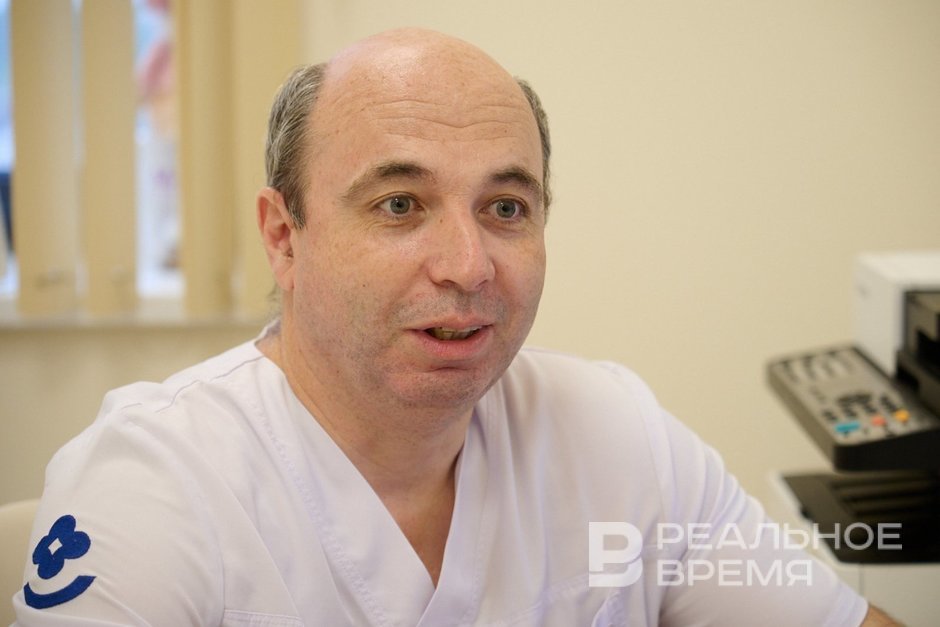
The preparation that saved the patient is still used for targeted therapy. It produced a revolution that is now developing at a rapid pace. Valery Yuryevich is convinced: the future of oncohematology lies precisely with targeted preparations. There are already such solutions for solid tumors too, and they work! We ask: what prospect does our hero see in CAR-T therapy? He, after thinking, answers: all this is, of course, very high-tech, needed and promising. But very expensive and not applicable everywhere. In the future, as Valery Yuryevich dreams, there must be targeted therapy for each disease. The patient will take it at home — and the disease will recede.
— This will be like Dr. Ehrlich's “magic bullet.” Do you know such a theory, created in the mid-19th century, about a preparation that, without damaging the body, destroys disease-causing microorganisms? So here too. There must be a preparation that, without damaging the body, destroys tumor cells, dreams our hero. — Everything is heading that way.
“Most children with hemoblastoses recover”
Work in a children's oncology center must be connected with enormous stress. After all, the image of a child with an oncological diagnosis is a tragic figure in the eyes of most ordinary people. At the same time Valery Yuryevich is a smiling, positive, very bright and joyful person. How does he manage it?
Very simply. It is just that we are in the grip of stereotypes. The doctor says:
— We have a very rewarding specialty. Children with hemoblastoses respond well to treatment. Most of them recover, live long and happily. The recovery rate is more than 80%! Let me remind you, only 30 years ago it rarely exceeded 5% on average in the country. And this revolution “charges” me. When I was only beginning to work, the picture was still different, but it was already changing. In my work I try to look for the positive. All the children who were treated with us pass through my heart. I remember everyone who was treated over these years. Many of them, already adults, congratulate me on my birthday, on other holidays. They share their successes and achievements. This always gives a lot of positivity and emotional charge. It is a high. It is my drug!
But still there are also losses in pediatric oncohematology; it is not yet possible to do entirely without them. Valery Yuryevich admits: each such loss is very hard for a doctor, a scar on the heart remains. But a medic must not die with each of his patients — he is needed by other sick people for whom he bears responsibility. The doctor is sure: one must keep emotions in check; they must not interfere with doing the work!
Part of the doctor's work is communication with the parents of patients. Valery Yuryevich always tries to explain the real situation to them. And it, let us recall, is such that most children today recover. And even if the doctors see that there may be problems and that the disease is running a difficult course, they still look for an opportunity to leave the parents hope and offer all possible options. Valery Yuryevich reflects that sometimes doctors themselves do not understand what strength they give to the parents of their patients, and to the little patients themselves too.
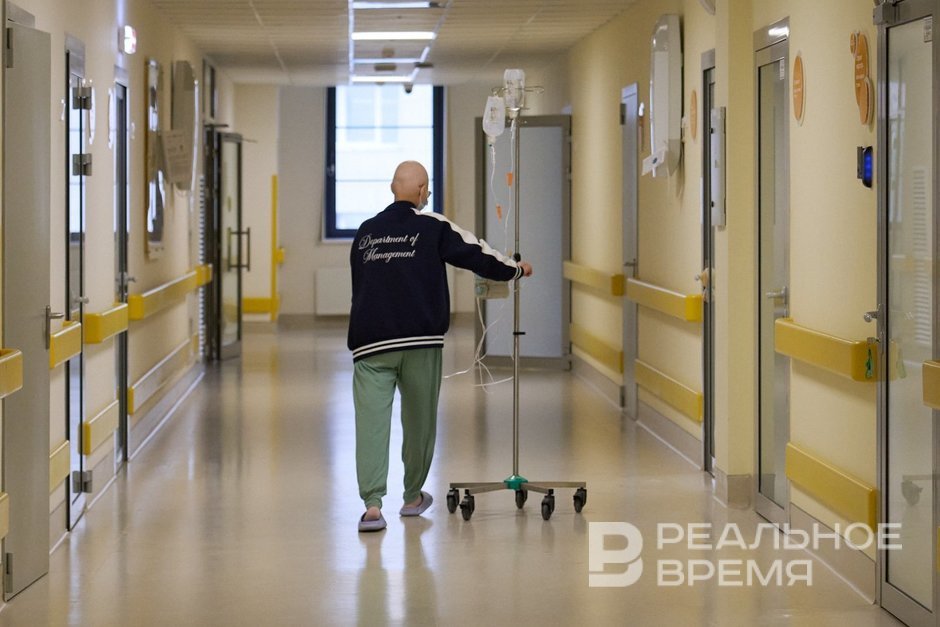
Doctors must also explain what is happening to the child. Our hero is sure: one must not deceive children — one must speak so that they understand. Then they become full participants in the process and trust the doctor. Then the treatment process usually goes well too. The doctor says that he sympathizes with his little patients. And loves them — absolutely all of them.
— You know, in my life I have never once come across nasty children. Maybe they exist somewhere, but I have not seen any. I love my work, I love children, I love it when they recover and live long and happily. When they create their own families and give birth to healthy children! smiles Valery Yuryevich.
The doctor admits: he always recalls that patient with chronic myeloid leukemia, whose case is described above. The doctors kept him going for several years so that he could manage to wait for the appearance of a new preparation. He waited, and targeted therapy saved his life.
— And now new preparations appear practically every year! Yes, today, perhaps, we cannot cope with a disease. But in a year, perhaps, preparations will appear that will allow us to do so. And we must try to give this year to our patient. We must try to create a good quality of life for patients whom we cannot yet fully cure. Give them a reserve of time until the moment when new treatment options appear. I now tell young doctors: “Another 30 years will pass — and you will already be treating not with chemotherapy, but with targeted preparations.”
The doctor says: already now acute promyelocytic leukemia can be cured entirely without chemotherapy — only with targeted preparations! And yet back in the eighties it was considered the most aggressive, the most severe form of leukemia. 90% of patients died within 2 weeks of the diagnosis being made.
Why do children get cancer?
In a year in Tatarstan an average of about 100 oncological patients of childhood age are detected. In some years — 90, in some — 110, but the overall incidence usually fluctuates within small limits from this number.
But why do children get sick? This question is asked of the oncologist by the parents of every patient. There can be different answers to this question. The first is purely “technical”: malignant tumors arise when the immune system for some reason does not recognize the tumor cells that have appeared and does not destroy them. After all, normally malignant cells arise in the body every minute. And if the immune system did not see one of them and did not destroy it — from one cell two appear. From two — four. From four — sixteen. Several years may pass before the process becomes noticeable and there are so many tumor cells in the blood that they can be seen in an analysis.
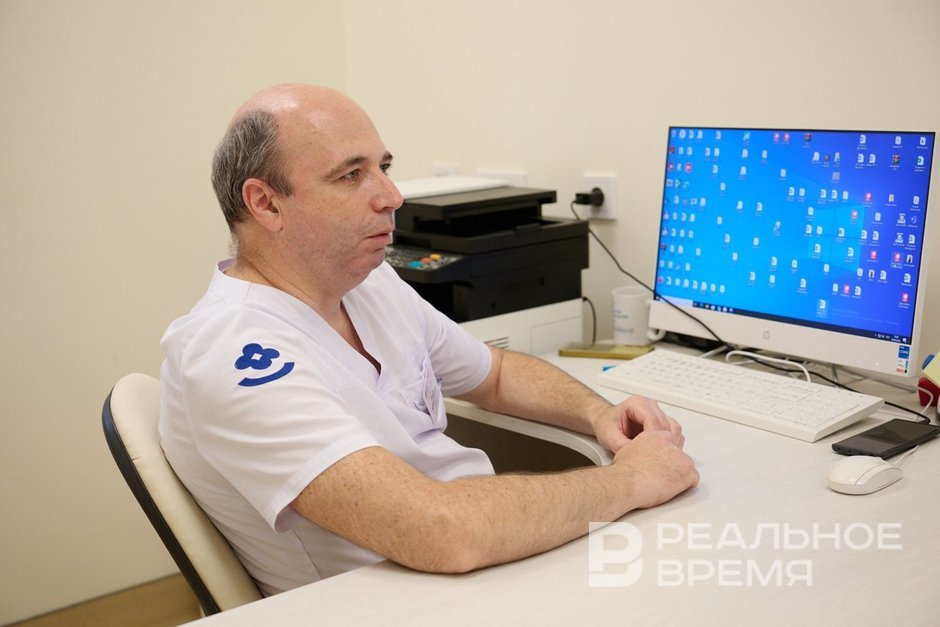
But this is not the answer a parent waits for. They need to know why it was precisely their child who got sick. Why the immune system did not cope with the malignant process. What triggered its development? But finding an unambiguous answer to this question is a task that sometimes has no solution.
— The cause may be the course of some viral infection. The environment may be to blame. Or the peculiarities of the immune system may be. What happened at a specific moment — I think no one will say. There are tumors that arose against the background of primary immunodeficiencies, when the immune system initially does not work as it should. And it happens that a child has never even had a cold, and suddenly at the age of three he develops acute lymphoblastic leukemia. This often happens with us: the child is sent to kindergarten, passes a medical checkup, and suddenly tumor cells are found in a routine blood test. By the way, such small children have the best treatment results, says our hero.
Sometimes the development of an oncological disease is due to a genetic predisposition, but, as the doctor says, such patients are an absolute minority. In the overwhelming majority of cases, leukemias and other oncohematological diseases are not inherited.
Valery Yuryevich talks about his work with joy, with a smile and with great enthusiasm. He admits: there are no absolute altruists in the world, and all of us receive a reward for our labor, but for him there is a special joy in the moment when he understands that he has cured a patient. In the moment when he receives a message many years later from one of his former patients or their parents: “Everything is well with us, we are healthy, thank you, doctor.”
— This joy is hard to compare with anything else. I consider that our work is super-rewarding. After all, we understand that without our efforts these children would be threatened with death. And with our help they do not simply live — they live a full, normal life, like all other people, says our hero.
Among the negative moments of the work process, like the overwhelming majority of the heroes of our column, Valery Yuryevich names paperwork — he himself likes working with people more, communicating with patients and their parents. But since 2022 he has been heading the department, and that means a new level of administrative involvement, so there is no getting away from filling out documentation anyway.
Outside the hospital our hero is, first of all, an involved young father: life has turned out so for the doctor that he still has small children. His daughter has gone into the second grade, his little son will only go into the first next year.
— So, probably, I will have to live forever, the doctor jokes.
Our hero is not a stranger to sport — for example, he adores swimming in open water. He says it relaxes wonderfully: to swim far away and relax surrounded by only water and sky. Before, his active swimming season began in April and ended in November. After Covid Valery Yuryevich slightly shifted the boundaries of this period — now he begins swimming in May, and already finishes in October.
When we ask what Valery Yuryevich dreams about, he answers without thinking:
— First, I want all our patients to recover. I am sure that targeted therapy will win over time and that the result of treatment will be one hundred percent. And second, I would like happiness for my children, for them to live a long happy life. That is the dream of any person!