Albert Shigabutdinov: “It is a great honor to be pioneers”
The impetus given decades ago by TAIF to the telecommunications industry has not yet been exhausted
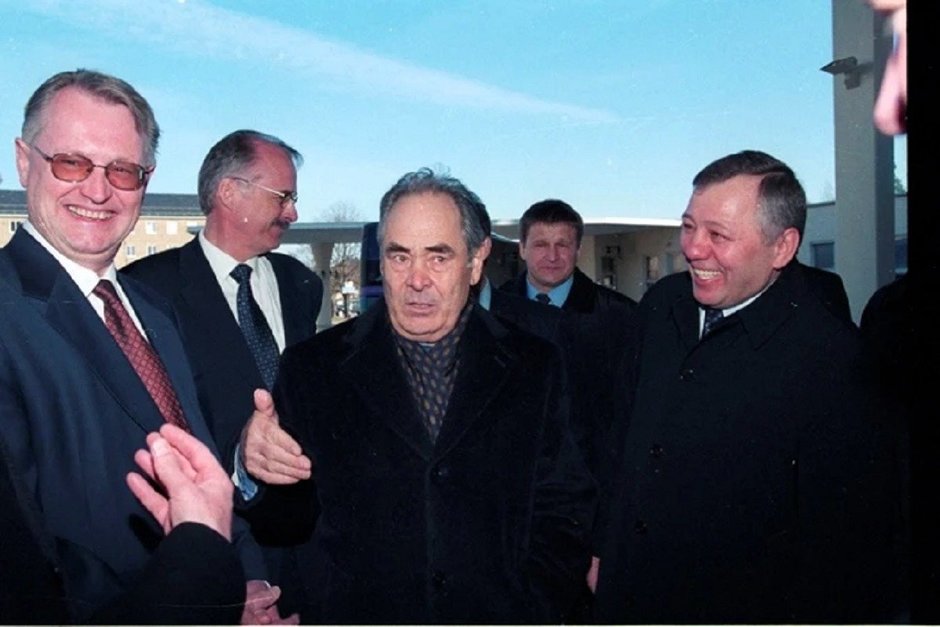
The advanced information and telecommunications infrastructure created in Tatarstan since the late 1990s remains one of the most powerful and responsive to the growing demands of the time even today. Thanks to the reserves laid down from the very beginning, it formed the basis of that very digital maturity of the region, the construction of the current electronic republic, the digitalization of industries and many areas of life. Realnoe Vremya continues its story about how the telecommunications industry developed in our republic and what role TAIF played in these processes. Part three.
GSM-1800
Continuing development, in 2001 the company began building new base stations of the next generation — the GSM-1800 standard. With the installation of new equipment, combining the frequency range of the two standards, TAIF-Telcom not only successfully coped with the loads increasing due to the rapidly growing subscriber base but also significantly expanded the possibilities for broadening the range of services offered.
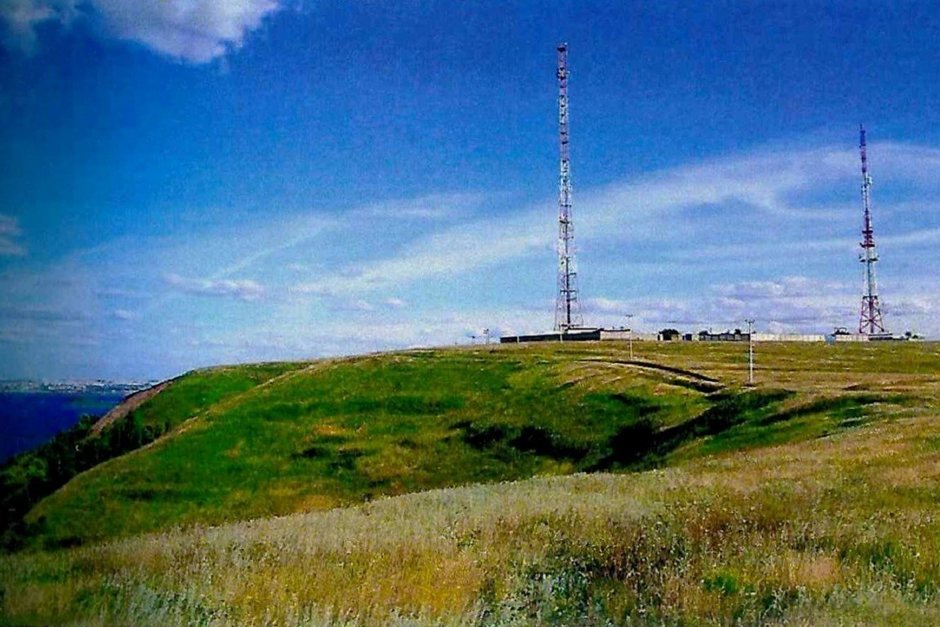
Thanks to the development strategy correctly chosen by the TAIF Group and its readiness to invest in the further growth of the cellular operator's capabilities, already in the winter of 2003, TAIF-Telcom entered the top five leading specialized companies in Russia both in terms of subscriber base and coverage area, becoming the largest regional cellular network, covering with its base stations almost the entire republic, including all cities, regional centers, numerous villages and hamlets of Tatarstan, and the main automobile and railway routes.
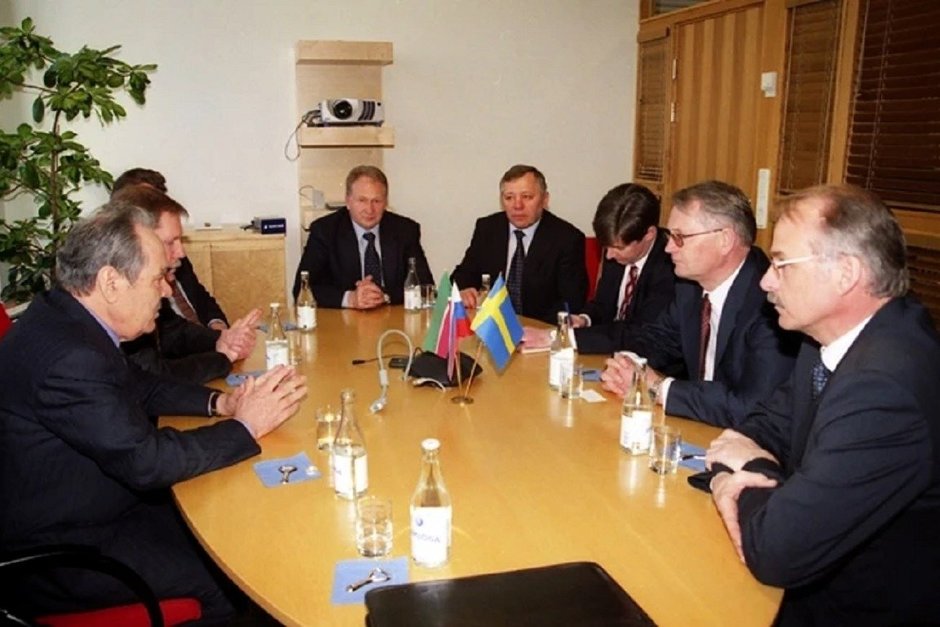
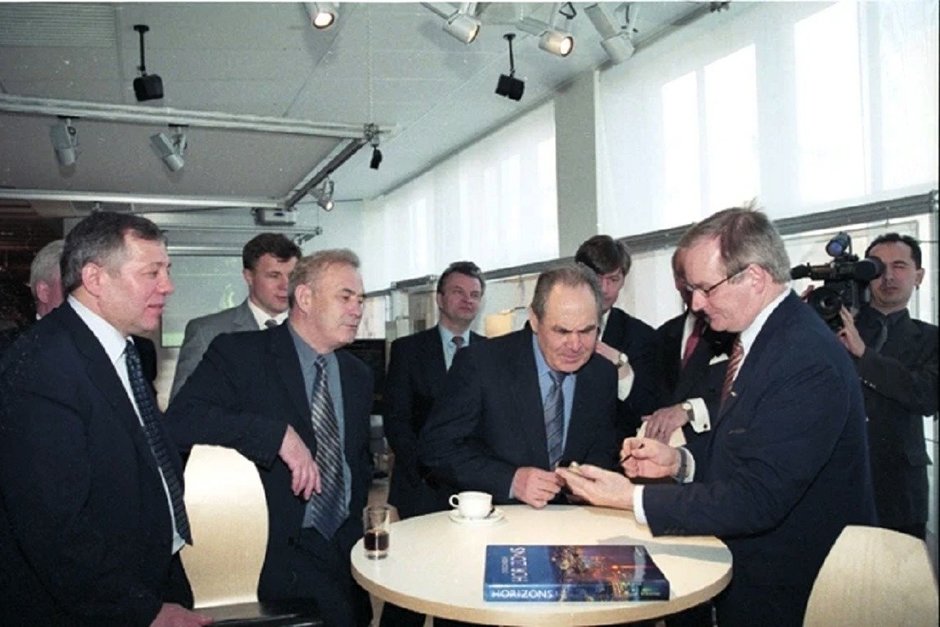
Constantly developing, Santel offered its subscribers an increasingly wide range of services. Over time, network users gained access to voice mail, short message service, conference calling, call forwarding, a “mobile office” including fax transmission, as well as mobile internet. Santel clients used national and international roaming in more than 220 Russian cities and in 73 countries around the world. And from the very beginning, TAIF-Telcom provided its subscribers with automatic federal and international roaming services. This meant that subscribers from Tatarstan could use their phones and communications not only in their native republic but also during trips across the country and abroad.
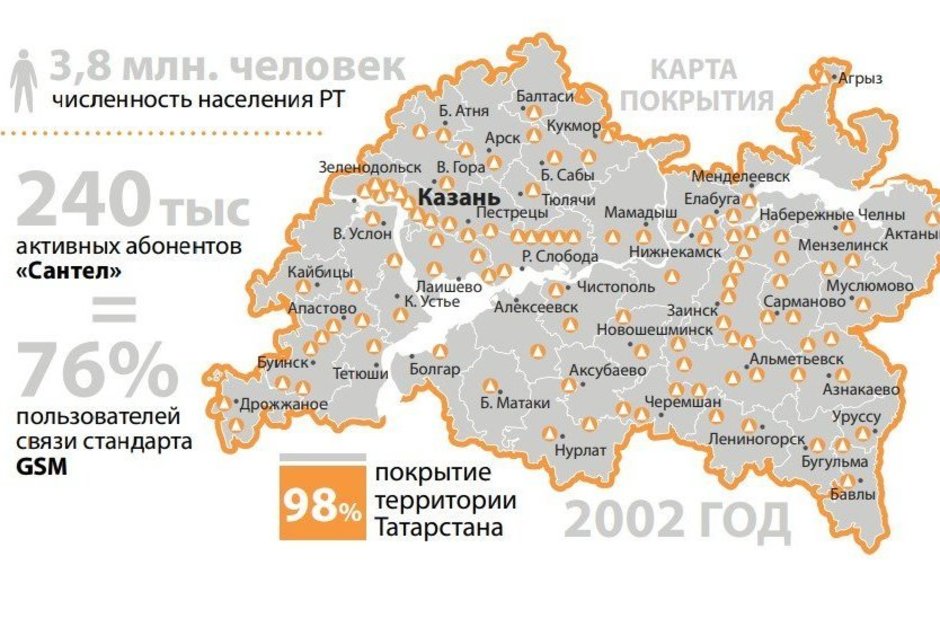
Thanks to TAIF, Tatarstan, already at the turn of the millennium, became a region where mobile communications had long ceased to be a curiosity. The coverage of TAIF-Telcom's cellular network was more than 98% of the territory of Tatarstan! Moreover, with the quality of cellular services meeting the best world practices.
Albert Shigabutdinov: “TAIF is primarily an investment company”
— TAIF is an investment company, whose plans have never included and do not include owning certain assets exclusively. TAIF creates new companies or, on market terms, enters existing businesses that need an impetus for development. We actively, on a planned basis, with a thorough elaboration of long-term development programs, work to improve economic efficiency, strengthen the production and material-technical base, and improve technologies. But as soon as a business firmly gets on its feet, it either gains independence and sets off on its own, or, on market terms, is transferred to a new owner ready to continue its development with guaranteed obligations to implement the plans and programs adopted by TAIF, — Albert Shigabutdinov never tires of repeating.
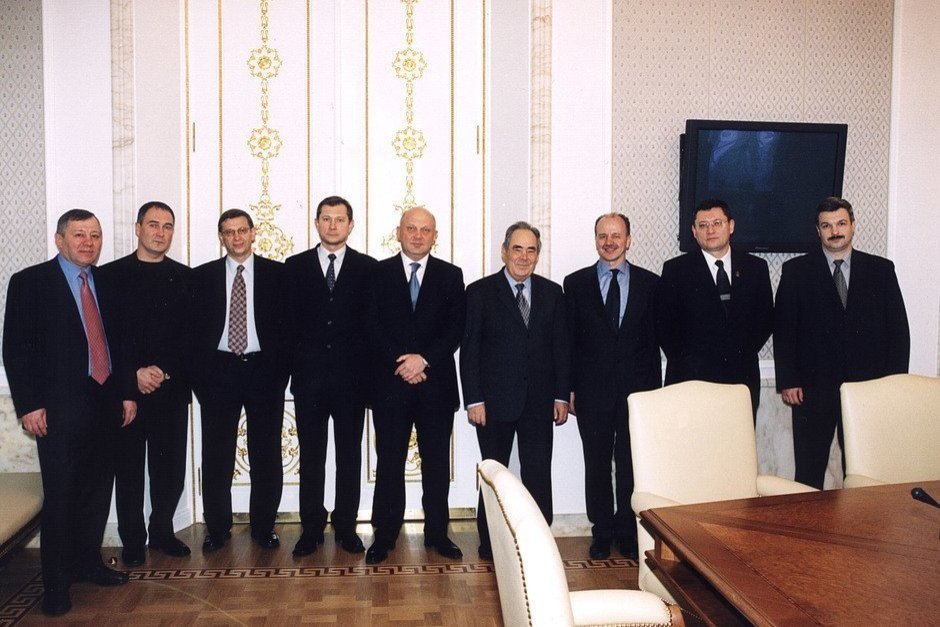
So it was with cellular communications. Having provided almost complete coverage of the republic's territory with base stations and fiber-optic lines, having created for everyone — the population, business, industrialists — the opportunity to use high-quality mobile communications, having won a place among the leaders of the Russian cellular industry, and also taking into account the great interest in the region from leading federal participants in the industry market, TAIF made a decision:
— We considered that TAIF had invested enough effort and funds, including borrowed ones, in this project for it to succeed. For the further development of the company, our participation was no longer required — Santel was financing itself and making a profit. Therefore, we were not against the desire of such a professional team as the one created at MTS to buy the company from us, especially since mobile communications cannot be put in anyone's pocket and taken away from Kazan, — Albert Shigabutdinov recalls about that time.
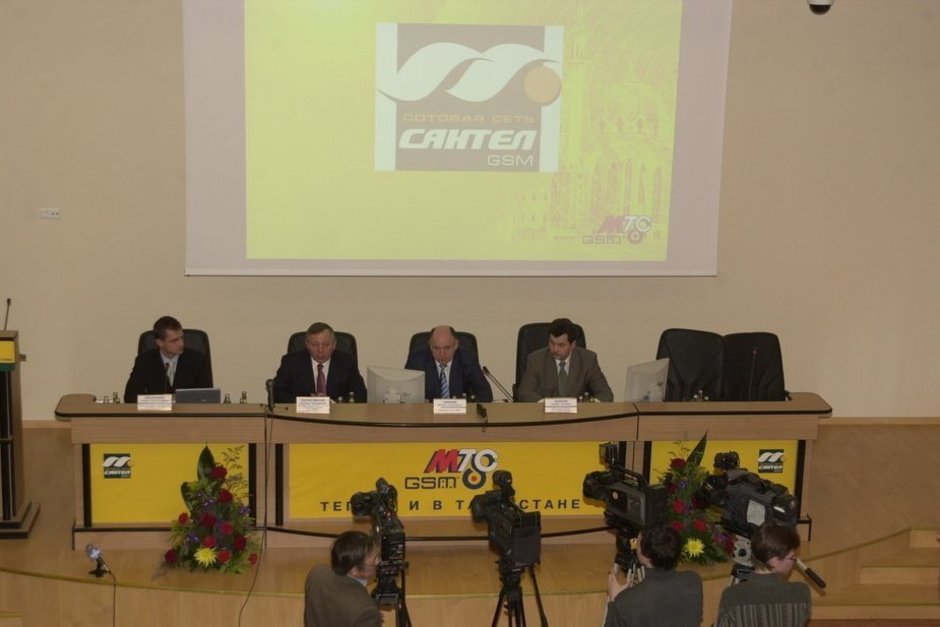
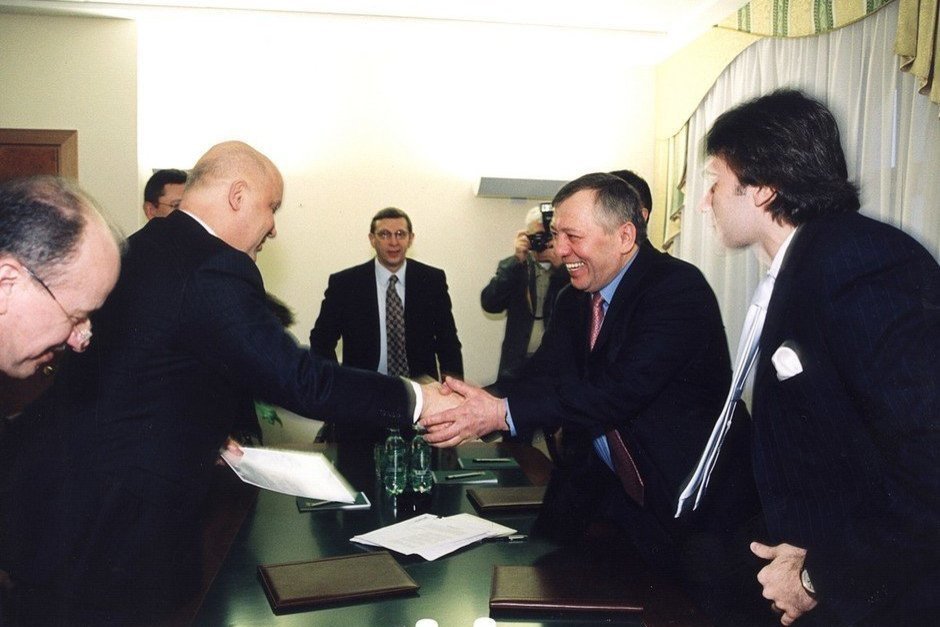
In April 2003, the shareholders of TAIF-Telcom entered into an option agreement with MTS, the largest mobile operator in Russia and Eastern Europe. The deal consisted of two stages: at the first, the acquirer of the Tatarstan cellular operator purchased 51% of the shares with a guarantee to continue in full the implementation of the long-term development program carefully worked out by the TAIF team. And only after the time stipulated by the contract, having made sure that the partner honestly and fully fulfilled its obligations, did the shareholders of TAIF-Telcom decide to transfer the remaining share of securities to MTS.
Mikhail Smirnov, then president of MTS, commenting on the deal, said: “We are acquiring a very successful and profitable company (TAIF-Telcom — editor's note), which is among the top ten Russian cellular operators, and we are significantly strengthening MTS's position in the Volga region.”
This deal turned out to be beneficial for everyone. MTS was able to immediately “legitimize” itself in the Tatarstan market, receiving the licenses of TAIF-Telcom, thereby seriously strengthening itself on a federal scale. And TAIF, after the completion of the deal, accumulated forces and resources, focusing on the development of other areas of work, including oil refining and petrochemistry. But that is a completely different story.
Reforming Tattelecom
Meanwhile, large-scale transformations continued in the Tatarstan telecommunications market. At the beginning of the 20th century, a paradoxical situation had developed in the republic: if in other regions local and long-distance communication services are usually provided by one operator, then in Kazan, the Kazan City Telephone Network was responsible for local communication, and Tattelecom for long-distance and international communication. To be able to call both within the capital of Tatarstan and beyond, one had to enter into two contracts. This approach was extremely inconvenient for users. And the companies themselves faced the problem of adapting to new realities and services. All this threatened the republic's lag in the industry, losses for business and the region's economy. The republic's leadership decided on the need for fundamental reforms in the communications sector in the region.
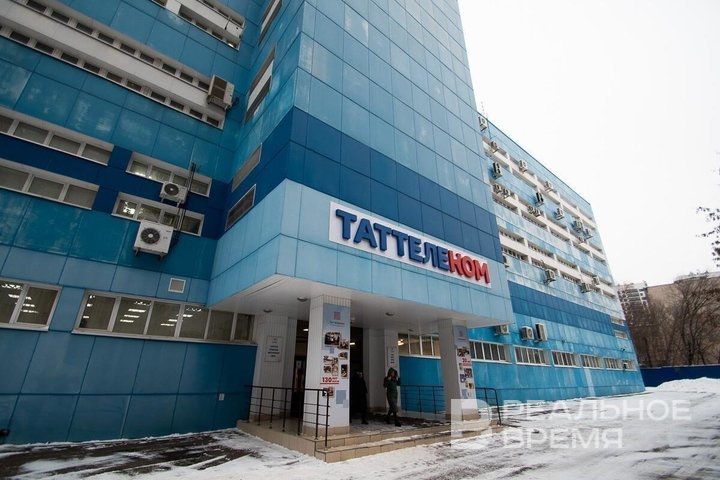
In 2005, TAIF, which had already accumulated serious experience in the development of the telecommunications sector, was involved in the processes:
— We agreed with the republic's leadership that our team of five or six people would join the board of directors of Tattelecom, carry out the necessary reforms, and exit this business, — Albert Shigabutdinov told about this little-known period in the company's history and the republic's telecommunications industry.
Finance was needed for the industry's development. And to attract it and successfully implement the reform, the City Telephone Network and Tattelecom needed to be merged. Various merger options were considered. The final decision of the Government of the Republic of Tatarstan on the entry of Kazan City Telephone Network into Tattelecom was made in the spring of 2006. Albert Shigabutdinov was elected chairman of the board of directors of the company, and a special group was formed within the TAIF Group for joint work with Tattelecom, which worked out a five-year plan for the strategic development of the telecommunications company. TAIF had to act as a guarantor for obtaining a loan for the development of Tattelecom. And soon work began in earnest: outdated technologies were replaced by modern digital ones. With a significant reserve of capacity to provide telephone communications to all who wanted them and the formation of backup and parallel signal transmission lines for trouble-free operation.
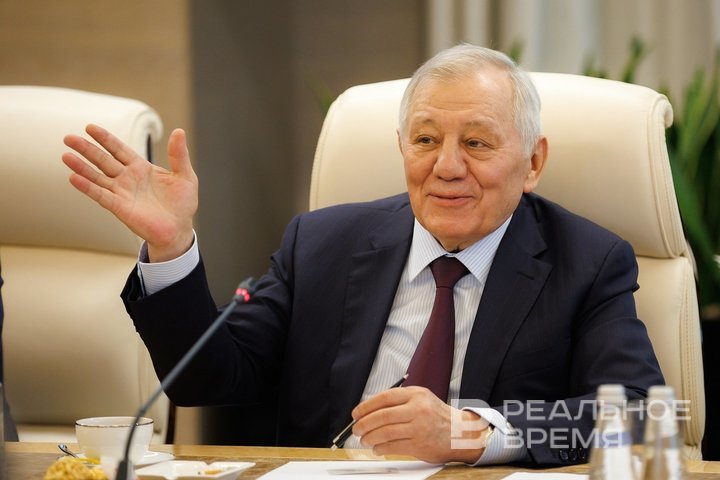
During its time under TAIF's patronage, Tattelecom received improved software for automatic long-distance telephone exchanges, expanded capacity of AMTS channels in Naberezhnye Chelny and Kazan, a transition to seven-digit telephone numbering, and an increase in overall network capacity.
By 2007, Tattelecom was the first in Russia to complete the implementation of the national priority project “Education.” 2,245 educational institutions of the republic were connected to broadband internet. In 2008, Tattelecom — again the first in the country — completely completed the digitalization of its own network. Analog exchanges became history, giving way to universal multi-purpose NGN standard equipment capable of supporting all types of telecommunications services — from classical telephony to data transmission and cable television.
— Today, we have broad prospects before us; a reliable economic foundation, a favorable investment climate, modern infrastructure and technologies have been created. Undoubtedly, a great contribution to the company's strategic development, anticipating the demands of business and society, was made by the forward-looking management of the company and its board of directors headed by Albert Shigabutdinov, — Lutfullah Shafigullin, who headed Tattelecom PJSC until 2019, emphasized much later in an interview with Realnoe Vremya.
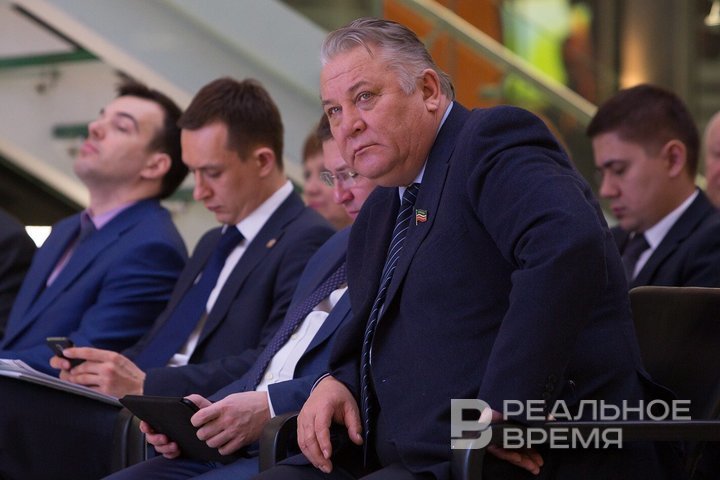
TAIF, having fulfilled its tasks, left the board of directors of the telecommunications operator in the spring of 2009, focusing its attention in the telecommunications field on the development of the TVT company.
The largest TV and internet provider in Tatarstan
Soon, the number of cable television subscribers of the TVT company exceeded 700,000 households. Another 600,000 users were covered by broadband internet. These figures are impressive even today. The company was rightfully recognized as the largest TV and internet provider in the republic, covering almost all of Tatarstan with multiservice services and ensuring the reliability of the government's electronic document management system (through the “Electronic Government” project).
Broadband internet access allowed most residents of the republic, in a self-service mode through infomats of “Electronic Tatarstan," to pay fees, fines, check tax debts, and much more. New standards were set by the created “Unified Settlement Center” — its online services and terminals made it possible to pay utility bills, cable television and cellular communication bills, and kindergarten fees. High-speed internet allowed Tatarstan banks to provide services online and people to repay loans without leaving home. Entrepreneurs gained the opportunity to remotely manage their businesses, participate in electronic auctions, etc.
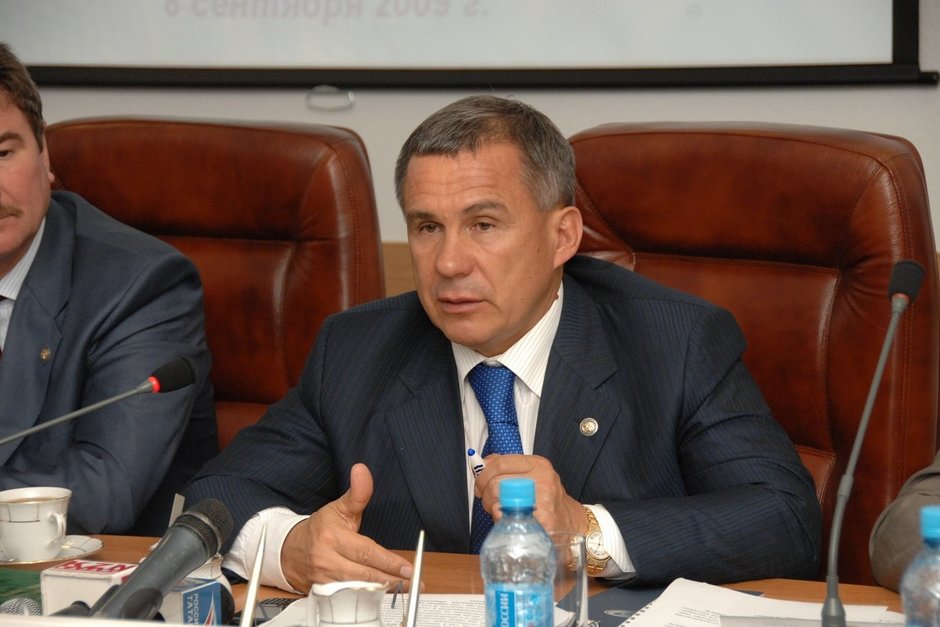
A telling example: 2009. At that time, Prime Minister of Tatarstan Rustam Minnikhanov demonstrated the capabilities of working in the “Mobile Office” at a press conference: he received an electronic document on his tablet, reviewed it, and signed it with an electronic signature. Now this is common. At that time, the news that the republic was the first in Russia to actively use the conveniences of “Electronic Government” was almost a revelation. Beginning with the system of interdepartmental electronic document management, “Electronic Government” soon significantly expanded its capabilities through many services for providing public services to the population.
“My 'Mobile Office' is synchronized with all the computers that our employees have. It allows me to be within reach. I review electronic documents wherever I am — in Moscow, abroad, at home. As a manager, this gives me a certain efficiency," Rustam Nurgalievich shared his opinion on the convenience with the press conference participants. A particular achievement was that the system guaranteed maximum confidentiality of all stored information and complete protection against intrusion by third parties.
At the federal level, Tatarstan's innovation was duly appreciated, being adopted as a basis when developing the project for the Russian electronic government. However, not everyone was able to immediately follow the recommendation of the country's leadership to spread Tatarstan's experience to other regions. The underdevelopment of telecommunications infrastructure became a stumbling block, and the regions had to urgently solve problems of bringing their own telecommunications industry up to modern standards. To go through that very path, the first steps along which were taken by TAIF back in the early 1990s. Fortunately, relying on the experience of their predecessors, this could be done faster.
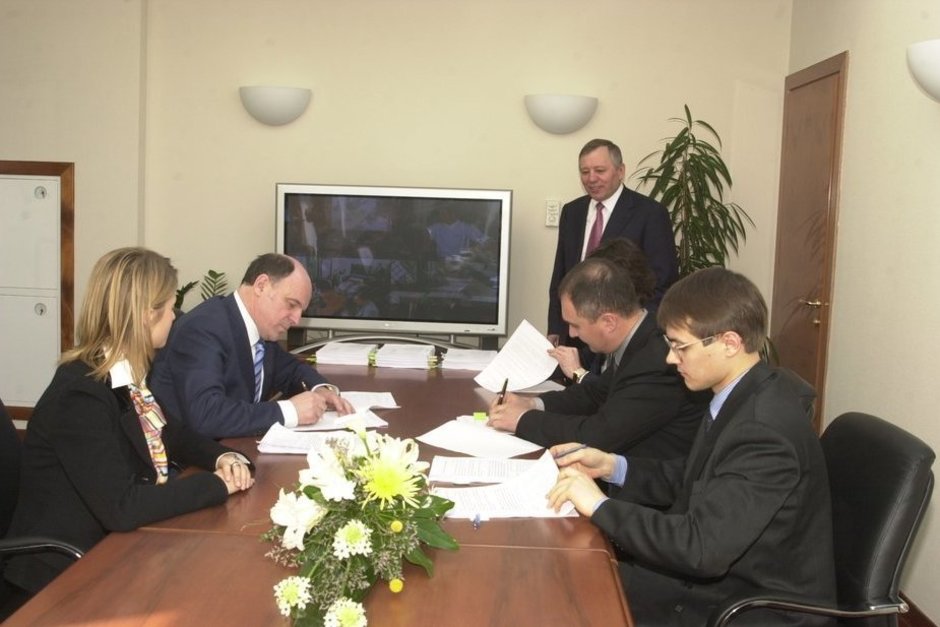
As for TVT itself, the management and shareholders of TAIF came to the conclusion that the company had reached a sufficient level of development and could be transferred on market terms to a new owner. In the autumn of 2011, as in the case of TAIF-Telcom, under an option agreement and also with guarantees of continued implementation of the development strategy adopted by TAIF, TVT was transferred to MTS.
Digital modernization and artificial intelligence
The impetus given by TAIF to the telecommunications industry back at the end of the last millennium continues to drive the industry's development. In 2024, it was announced that Tatarstan had become the first region in the country where all state and municipal services had been transferred to digital format. In September 2025, it became known that the republic is also leading in the digitalization of the agro-industrial complex. The website of the republican Ministry of Agriculture and Food notes: “Artificial intelligence and digital twins have become key assistants in agriculture. They help predict equipment breakdowns, determine the optimal time for fertilizer application, and configure robots for specific fields. Drones, agrorobots, and soil sensors are becoming full-fledged scientific tools. With their help, one can not only see the picture 'here and now' but also build forecasts for years ahead — from land cultivation to the selection of crops for sowing.” The capabilities of modern technologies not only significantly facilitate the work of farmers and livestock breeders but also reduce costs and losses, increase efficiency, and therefore profitability.
In October of last year, it became known that digital modernization would cover the entire transport system of Tatarstan in the next five years. The corresponding agreement was signed between the republic and the Association “Digital Transport and Logistics” on the sidelines of the International Forum “Digital Transportation — 2025” in Moscow.
The republic has long become one of the federal and international centers for leading IT events. Last year, Kazan Digital Week again brought together hundreds of companies at the exhibition and many speakers in an extensive business program, becoming a center for discussing digital trends in the modern world. And a little earlier, the III International Forum “Rebus” took place. This time it was dedicated to digitalization and infrastructure in agglomerations.
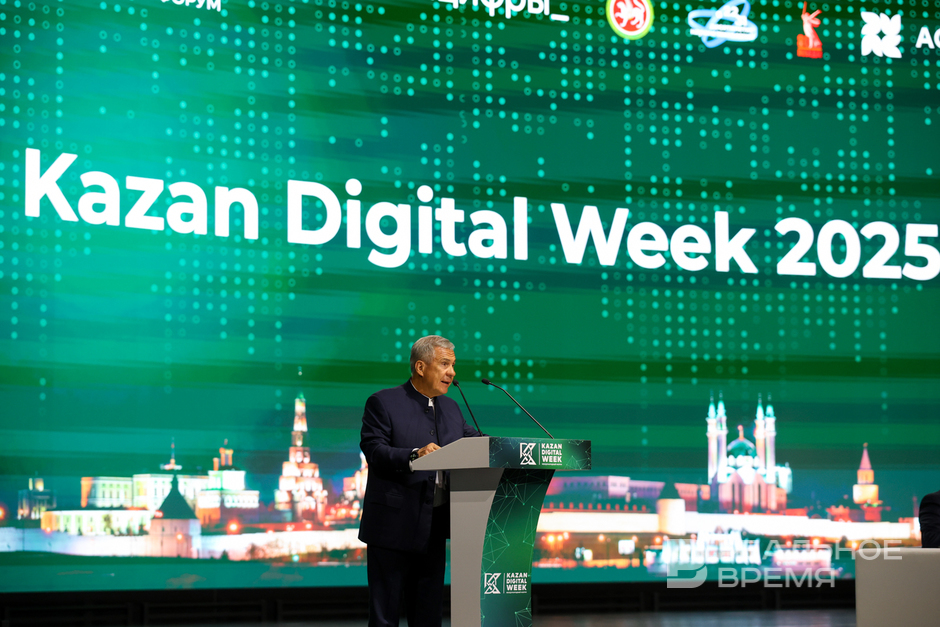
In his traditional address to the State Council of the Republic of Tatarstan, the Rais of the republic, Rustam Minnikhanov, focused specifically on the topic of digitalization: “The President of the country has set a strategic goal: to accelerate the development of the domestic digital sector, which should become the driver of transformation in all spheres of the economy. Tatarstan has long been actively working in this direction. A decision was made to launch a new program of innovative IT projects. Special emphasis is placed on priority projects for the digitalization of social services. Work is underway to digitalize infrastructure facilities such as engineering networks. Digital technologies will allow timely identification and elimination of faults, and simplify the registration of land plots. Work continues to attract investment in the information technology sector. In the Innopolis special economic zone, the production of modern batteries has been launched, and the opening of plants for automated thermal engineering control systems and the production of special equipment is being prepared. By 2030, it is planned to achieve an industry turnover of 100 billion rubles annually, and the number of residents in the IT park will increase to one thousand. In addition to the main park in Kazan, 24 municipal sites are currently operating. By 2030, it is planned to expand the network to 40 parks, thus covering the entire territory of the republic," he emphasized in his speech.
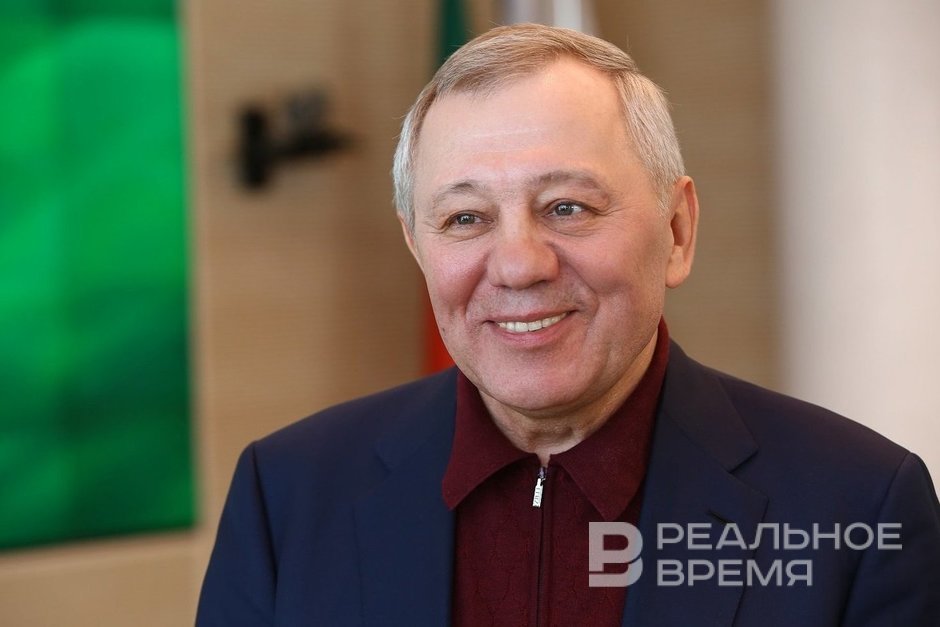
The ancient Chinese philosopher Lao Tzu is credited with the saying: “A journey of a thousand miles begins with a single step.” But it is worth adding that it is also very important how persistent the one who begins this journey turns out to be. TAIF not only was one of the first to believe in the importance, in the vital necessity, of modern, reliable telecommunications for the economy and society back in the difficult 1990s but also did everything to ensure that the processes that began at the end of the last century did not stop moving forward today.
The processes of development of the telecommunications market, built on a solid foundation laid by TAIF, continue today. The reserve of capacity of the system created decades ago is enormous and continues to be revealed with each new function connected to it or each newly created technology.
— Looking back, we remember the events of those years with warmth and sincerely rejoice that it was we who had this great honor of being pioneers in the development of the GSM cellular network, the internet, cable and digital television, that in those years our projects became a real breakthrough in communication technologies and gave people the joy of unlimited communication, — emphasizes Albert Shigabutdinov.
It is impossible to ignore the role of TAIF in the creation and development of another direction in the field of telecommunications. We are talking about television, radio, and electronic media. But about this — in a separate material on the pages of Realnoe Vremya.