“I've said everything i wanted to say”: who is Nell Harper Lee?
For the writer's centenary, Realnoe Vremya has prepared a glossary of the life and works of American writer Harper Lee
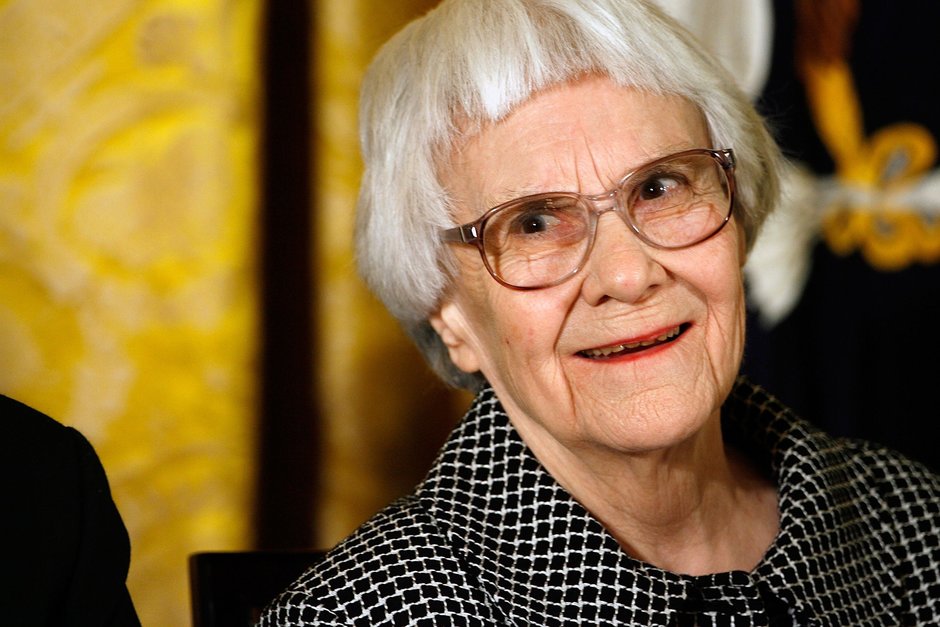
She wrote a novel that is read in schools, quoted by presidents, and discussed by lawyers. “To Kill a Mockingbird” became a literary sensation immediately upon its release in 1960. The book won the Pulitzer Prize and became one of the most important texts of the 20th century. The story of lawyer Atticus Finch transcended literature and became part of a public conversation about justice and the law. Today marks the 100th anniversary of the writer's birth. To mark this date, literary columnist Yekaterina Petrova of Realnoe Vremya has assembled a glossary of Harper Lee's life and work — from the American South and her childhood in Alabama to her meteoric success, letters, friends, and her complex relationship with Truman Capote.
The American South
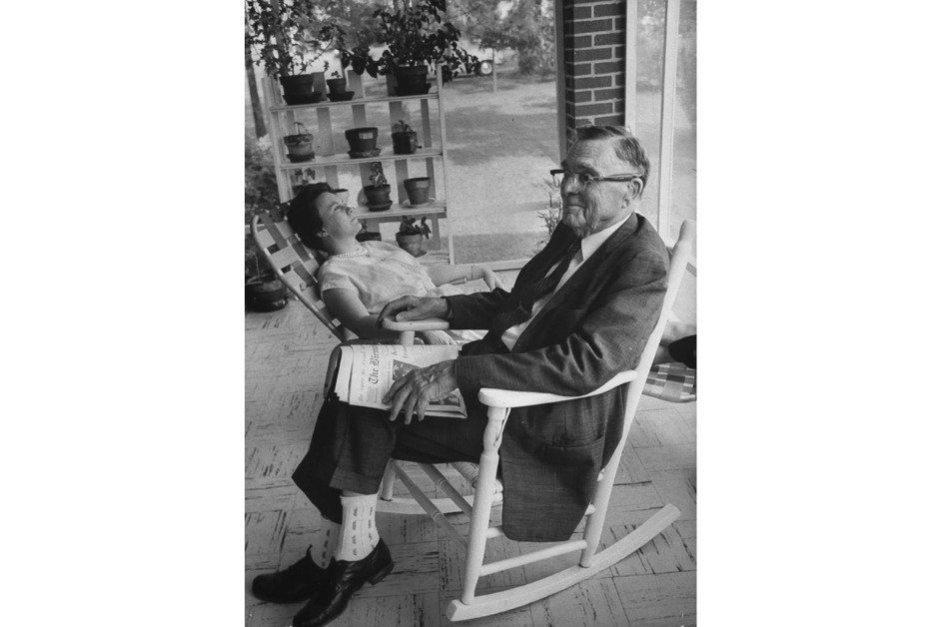
Harper Lee was born on April 28, 1926, in the small Southern town of Monroeville, Alabama. Her childhood was spent there, the action of her novel “To Kill a Mockingbird” takes place there, and the writer returned there after living in New York. Harper Lee sought to depict the American South as a system of small communities. She said: “I want to capture the existence of a tiny world… to record something that is quickly disappearing.” The writer saw the South as a network of small towns with a unique way of life. She emphasized that this way of life is “extremely picturesque” and needed to be captured before it vanished.
Lee linked the region's character to the origins of its inhabitants. “We have a lot of Celtic blood… we're mostly Irish, Scottish, English, Welsh," Harper Lee noted. She described Southern society as agrarian. Industry was only just beginning to change its structure. Such a way of life shaped daily life and forms of communication. The writer highlighted oral tradition as a key feature. She asserted: “We are storytellers.” People rarely had access to theater or cinema. Lee recalled that going to the movies once a month was considered fortunate. Children invented games and, for entertainment, told each other stories. Lee added that Southerners greet a person with a story — though usually, it's gossip. According to researcher Denis Zakharov, Lee wanted to become the “chronicler of a vanishing nature” and describe the local flavor of South Alabama.
Atticus Finch
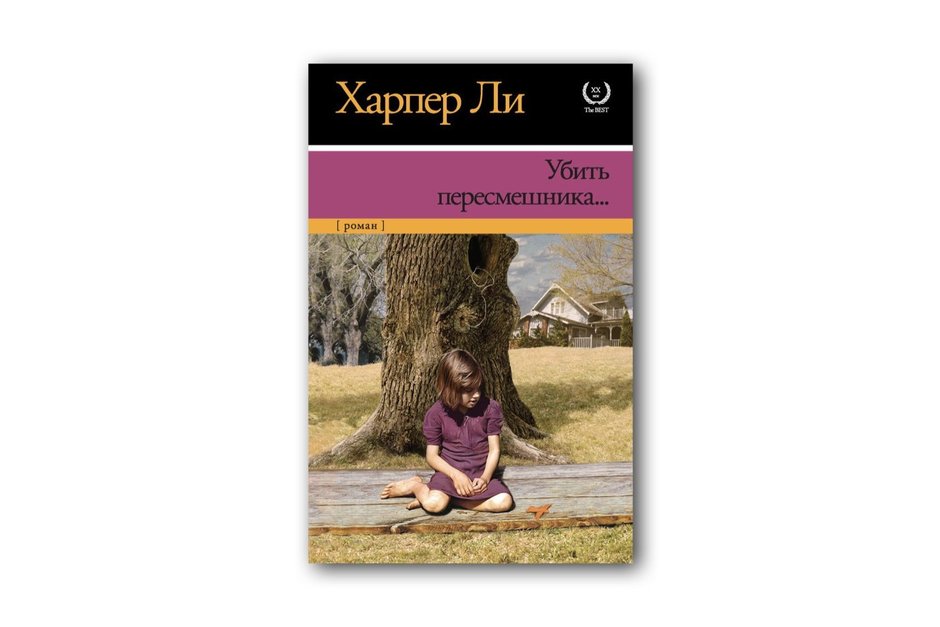
He is the main character of the novel “To Kill a Mockingbird," for which Harper Lee won the Pulitzer Prize. Atticus is a lawyer from the fictional town of Maycomb, Alabama. Finch is raising two children, Jeremy and Jean Louise. Lee based the character on her father, Amasa Coleman Lee. He worked as a lawyer and editor of The Monroe Journal, and also defended two Black defendants in a high-profile 1919 case. Lee did not choose the name for the character randomly. Ellison Romona recounts the writer's words: she associated the name with the Greek Atticus, “a wise, knowledgeable, and humane man.”
Finch received widespread acclaim. Book magazine included him on its list of the best characters of the 20th century, ranking him seventh. The American Film Institute called him the “greatest hero in film history” following the adaptation of the work. A 2016 study called him the most inspiring hero in literature. Judge Richard Paul Match considered him an important role model. One law professor claimed the novel served as the main teaching text. Researcher Alice Petry said Atticus had become “something of a folk hero” among lawyers. In 1997, a monument to Finch was erected in Monroeville as the first symbol of the state's judicial history. And Barack Obama mentioned him as an ideal image of an American in his farewell speech in 2017.
Biography
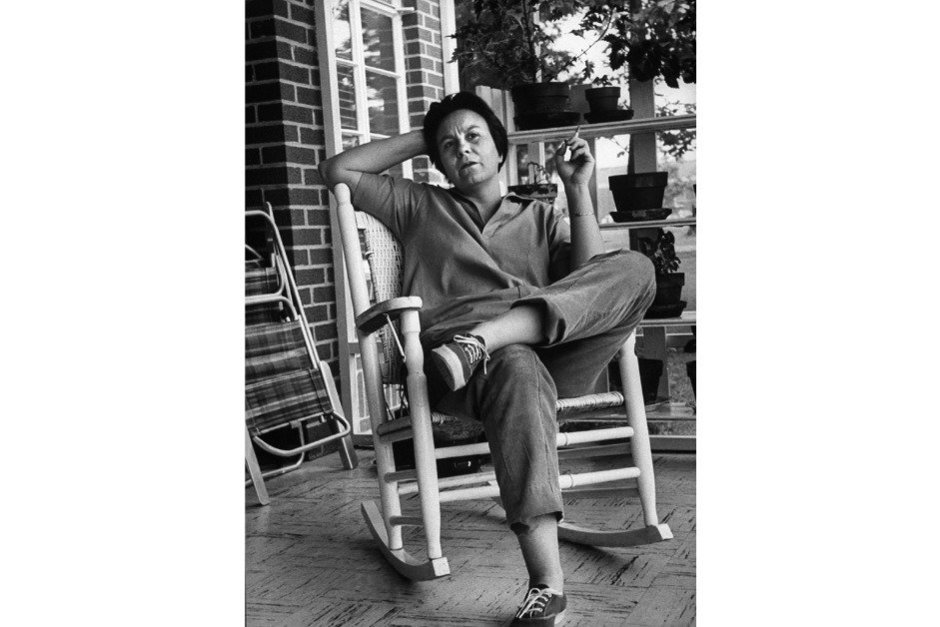
Harper Lee consistently refused attempts by researchers to describe her life. In a letter to researcher and biographer Linda Davis in 1988, she stated: “As for the proposal to write my biography — probably not.” The writer explained her refusal as a desire to preserve her private life. Lee said she tried to “live as quietly and simply as possible” and had learned to value personal privacy. She insisted on a person's right to determine their own level of publicity. Miss Lee believed that everyone had the right to live their life with as much attention as they chose. The only exception to the writer's worldview might be politicians, since they manage public funds. She allowed discussion of her biography only after her death. She advised Davis to contact the agency McIntosh & Otis, which at the time managed the writer's legacy, after her death to work on the book. In another letter, Harper Lee asked Davis not to contact her family and friends, adding: “I'm not dead enough yet.”
Nevertheless, in 2006, Charles Shields conducted extensive research and published the book “Mockingbird: A Portrait of Harper Lee.” In a letter to Wayne Flint, the writer called the author a “skunk” and said the book “wavers between fabrication and foolishness.” Lee pointed out errors and accused the author of using unreliable sources. She was also outraged by the publication of her home address, calling it “pure malice” or amateurishness.
The Browns
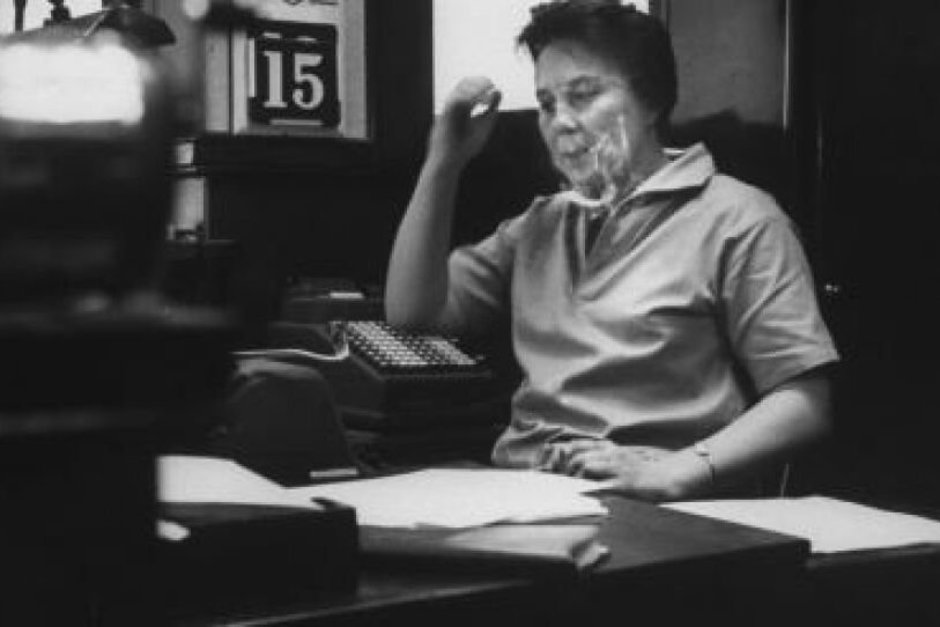
Michael Brown and Joy Williams played a key role in launching Harper Lee's writing career. Truman Capote introduced them to her when he left for Morocco and asked his friends to look after “little Nelle.” Lee showed the Browns her humorous stories about life in the South. Michael Brown immediately appreciated the texts. He recognized the familiar local color and contacted his agent, Maurice Crane. In his letter, Brown described Lee as “a wonderful little Southerner… who says 'Yes, ma'am' and 'No, ma'am'.”
The Browns did not stop at a recommendation. They offered Lee concrete support. In December 1956, Michael and Joy gave Harper Lee money so she could quit her job and write a novel for a year. This step changed her situation. Lee admitted: “They don't care what I write… they want to make me take my talent seriously.” In her essay “My Christmas," she described how her friends said they wanted to give her a chance to write without worrying about earning a living. Lee doubted and asked questions about the risks. She called the situation a “scary adventure.” The Browns then suggested considering the money as a loan, but demanded no commitment. They explained they were ready to support her if something went wrong. This gift allowed Lee to focus on writing the novel “To Kill a Mockingbird.”
Gregory Peck
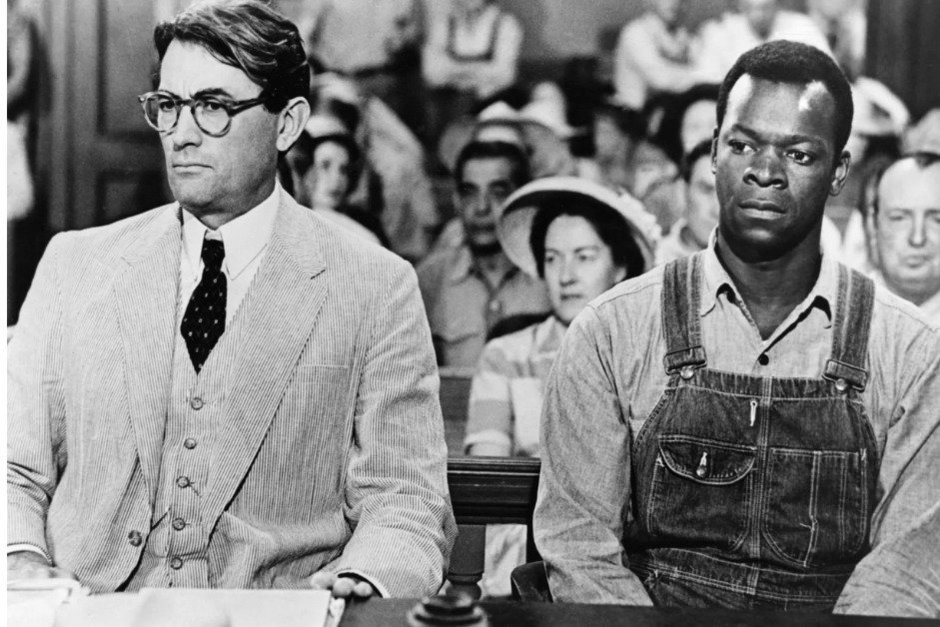
Gregory Peck played Atticus Finch in the film adaptation of “To Kill a Mockingbird.” Before filming, the actor visited Monroeville to study the hero's prototype. The Monroe Journal reported that the actor spent several days with Harper Lee and her father, trying to understand the lawyer's character.
Lee initially doubted his candidacy. She only knew Peck from his previous films and did not immediately see Atticus in him. The decisive moment came during a screen test. Lee watched as Peck appeared in the hero's costume. According to the writer, a “middle-aged man” appeared before her in 1933 clothing, with a vest and watch on a chain. At that moment, she concluded: “This was Atticus Finch.” Peck, in Lee's observation, possessed energy, elegance, and a sense of humor, which helped him accurately portray the character.
Harper Lee highly praised the atmosphere of the filming. “I am very grateful to the people who made this film… an atmosphere of kindness prevailed on the set," the writer said in 1964. She noted the respectful attitude toward the source material and emphasized the contribution of all involved: “from Gregory Peck to the secondary characters.” Miss Lee also highlighted screenwriter Horton Foote. She considered his work key to the film's success.
Money
The financial side of “To Kill a Mockingbird”'s success quickly became a notable part of Harper Lee's life. She received an initial advance of 1,000 For the manuscript. Payments depended on approval of new parts of the text. After publication, the novel sold vigorously. In its first year, it was reprinted 22 times. Within six months, the print run reached 500,000 copies at a price of $3.95 each. Even with modest royalty rates, Lee's income for this period could have been about $50,000.
But under the prevailing tax scale of 1960, as Denis Zakharov notes in his book “The Unknown Harper Lee," she would have had to give up to 91% of her income to the government. In a conversation with a reporter, the writer noted that the Pulitzer Prize brought her $500, and that was “the only money I've ever received that isn't taxable.” In December 1960, Lee complained to Harold Caufield about tax payments. “All these very nice… little money will go… to the Bureau of Internal Revenue," Miss Lee wrote. She said that the book's popularity brought income, but simultaneously required significant payments.
Oprah Winfrey
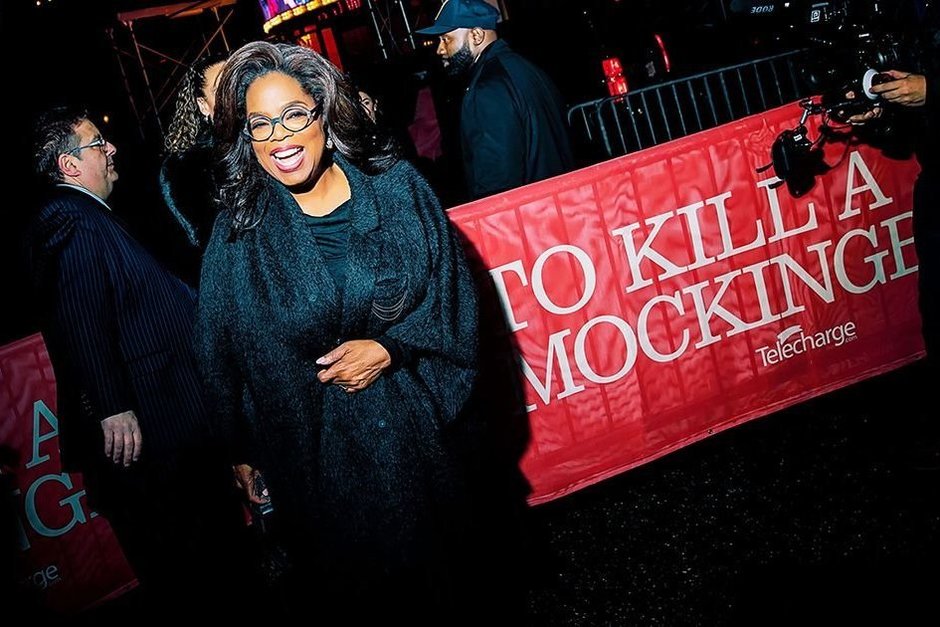
In 2005, Oprah Winfrey named “To Kill a Mockingbird” her favorite book. She said she read it as a teenager in Milwaukee while living with her mother, and they didn't have money to buy it, so Oprah got a copy from the local library. The television host recalled “literally devouring it page after page.” Winfrey said that after reading, she tried to imitate the Southern accent of the main character and even scared her classmates with her stories about the book.
The television host decided to discuss the novel in her book club and invited Harper Lee for an interview. After negotiations, Lee agreed to a personal meeting in New York. But she refused to participate in the show itself. She explained this as an unwillingness to attract attention: “Honey, I've said everything I wanted to say… tour buses are already pulling up to my house.” Winfrey quickly realized she couldn't convince her and stopped trying. Later, Lee sent Winfrey a letter, which was published in O, The Oprah Magazine in 2006. The reason was the impression made on her by how the television host spoke about the novel and its characters.
Open letters
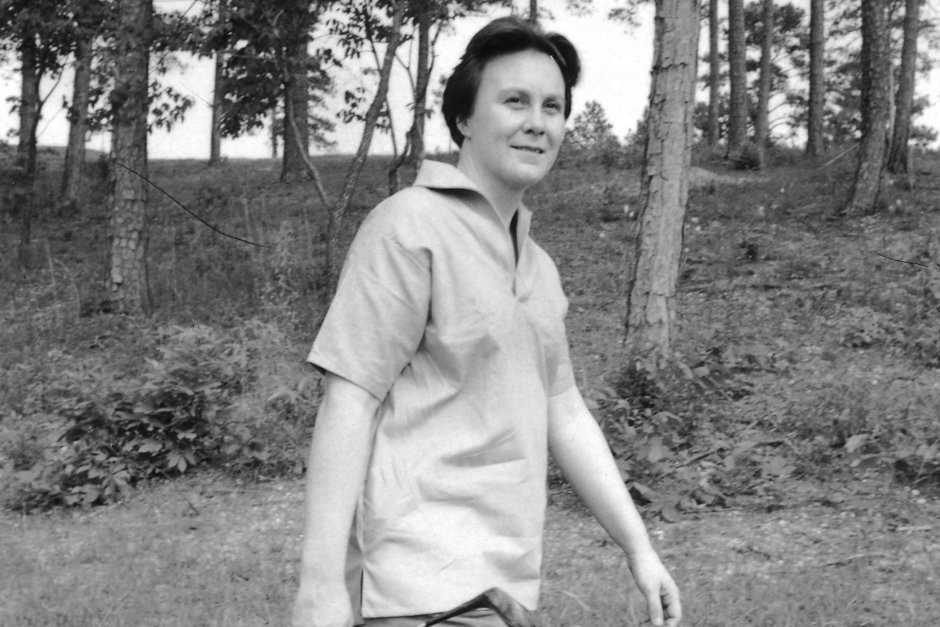
Harper Lee often wrote letters to various media outlets. It was her way of speaking out publicly. The genre of the open letter allowed her to avoid direct communication with the audience. Denis Zakharov noted that such texts require conciseness and restraint. Lee constructed arguments and used irony. Her letters exhibited a prim manner and a sense of humor.
The writer's epistolary legacy remained closed for a long time. “I try to live as quietly and simply as possible… I value my privacy," Lee explained her prohibition on publishing her correspondence. Lee's friends supported this principle. A rare exception was the publication by historian Wayne Flynt. In 2017, he released the collection “Mockingbird Songs: My Friendship with Harper Lee," which included some of the correspondence.
Theresa von Hohoff Torrey
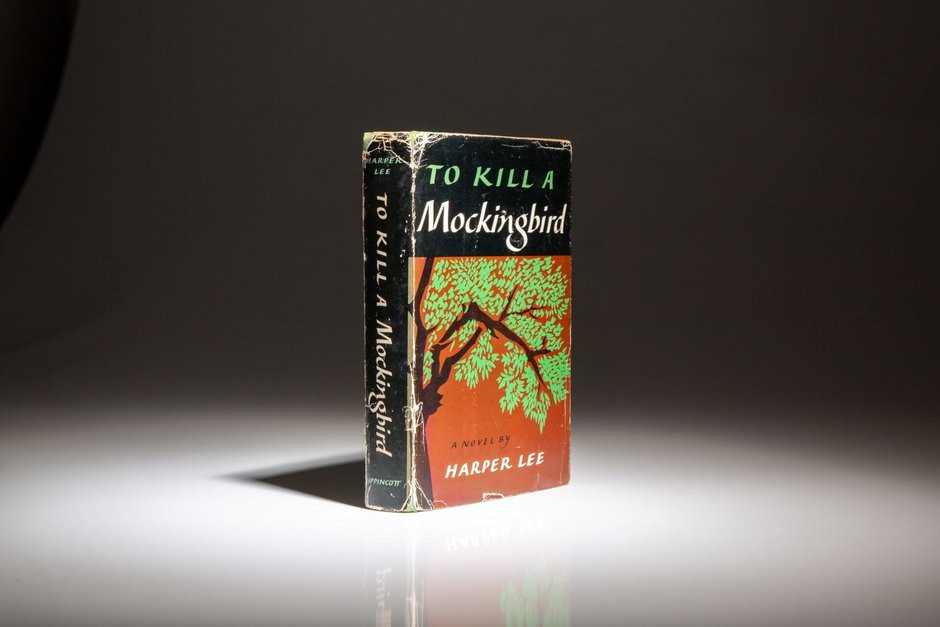
Theresa von Hohoff Torrey, or Tay Hohoff, worked at the publishing house J. B. Lippincott and was the first to show serious interest in Lee's manuscript. Hohoff immediately saw the text's potential, but pointed out its flaws. “There was a lot wrong with the manuscript… it resembled a collection of funny stories," the editor noted. She suggested that Lee revise the text. The writer agreed and began new work. On the advice of her agent, Maurice Crane, and Hohoff herself, Miss Lee focused on the childhood storyline of “Scout.” The work took nearly three years. Hohoff and Lee discussed the plot, argued, and searched for solutions together.
During the process, Lee experienced a crisis. She threw the manuscript out the window, but at Hohoff's insistence, went outside, gathered the pages, and continued working. Later, Lee described this phase as a “long and selfless apprenticeship.” By 1959, the text had taken its final form. Lee admitted she did not expect success and “hoped for a quick and merciful death at the hands of the critics.”
Truman Capote
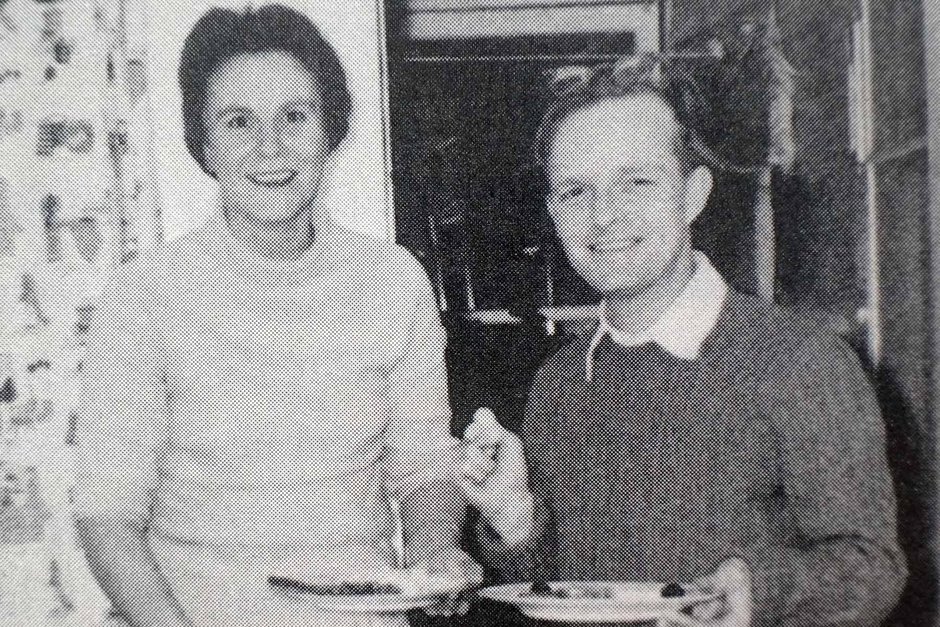
Harper Lee and Truman Capote met as children in Monroeville. Their houses were next door to each other, and the children could freely cross the fence. Capote often stayed at Lee's until late. They began writing together early. According to relatives' recollections, the children took turns typing stories on A. C. Lee's old typewriter. As adults, rumors constantly circulated around the relationship between Capote and Lee. For instance, one journalist speculated about a romantic connection between them. Lee helped Capote with his work on the book “In Cold Blood.”
Researcher Madison Pescock noted her significant contribution to gathering material in Kansas.
But after the book's publication, Capote changed his circle of acquaintances. Lee spoke of the rift with her friend in a letter to Donald Windham: “I never understood why he did it… our friendship lasted a lifetime.” She added that he also ended relationships with other friends. Denis Zakharov links the rift to the fact that the two writers' lifestyles changed dramatically. Lee shunned publicity, while Capote actively sought it. Their interests diverged, and their connection weakened.
Yekaterina Petrova is a literary columnist for the online newspaper Realnoe Vremya and hosts the Telegram channel «Булочки с маком».