“We will need to get through the year, keep the team together”: what awaits Russia’s shrinking venture market
Angel investor volume dropped nearly 80% in 2025
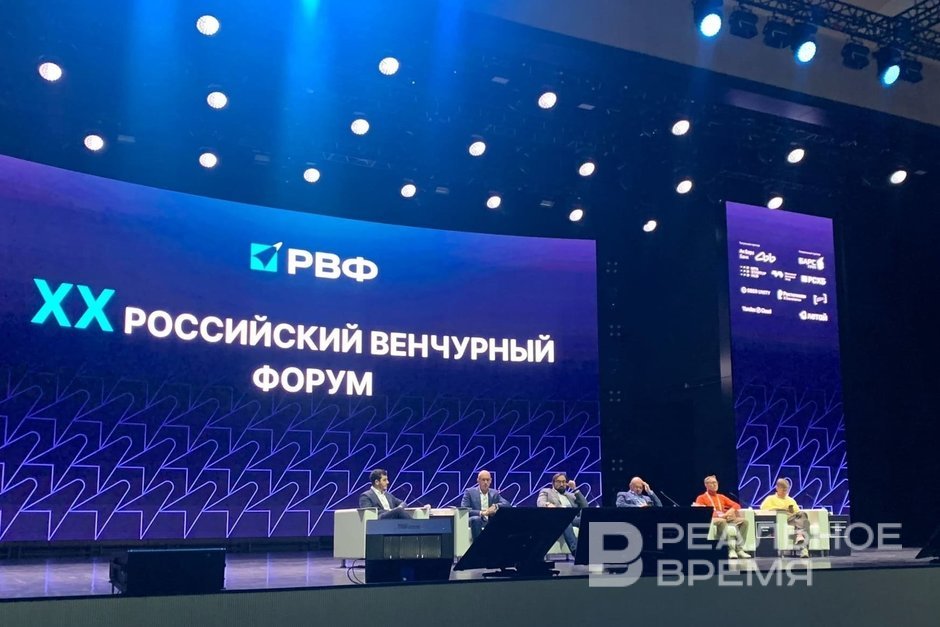
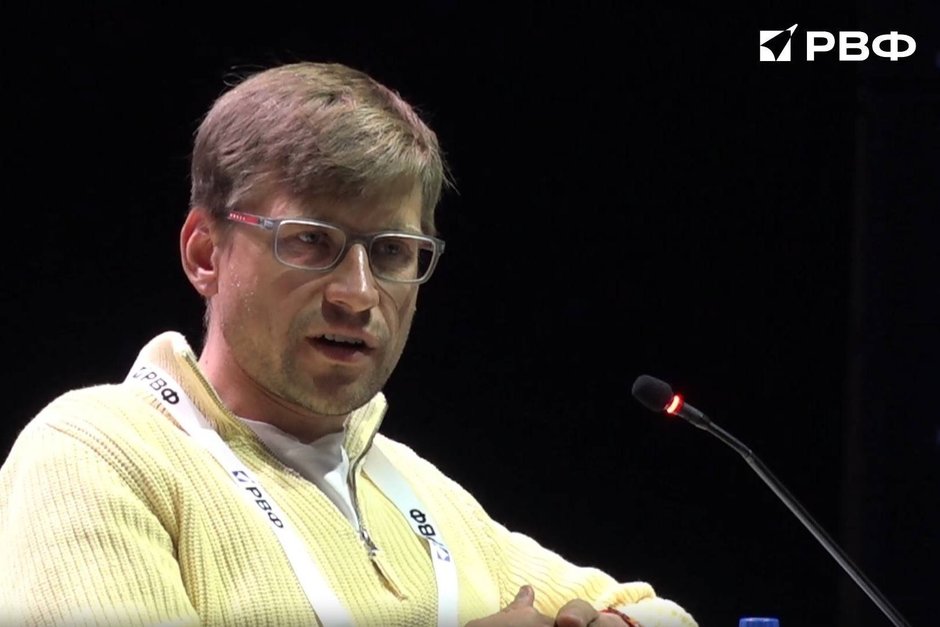
Russian startups face a difficult year ahead, Sergey Gayvoronsky, Investment Director of Kama Flow, told Realnoe Vremya. The main thing for businesses is simply to survive, keep their teams together, and maintain liquidity. Russia's venture market is shrinking, corporations and business angels are losing ground, and private funds are taking center stage. Realnoe Vremya reports on where investors will be looking and why, instead of unicorns, attention should be paid to camels.
The market has narrowed — professionals dictate trends
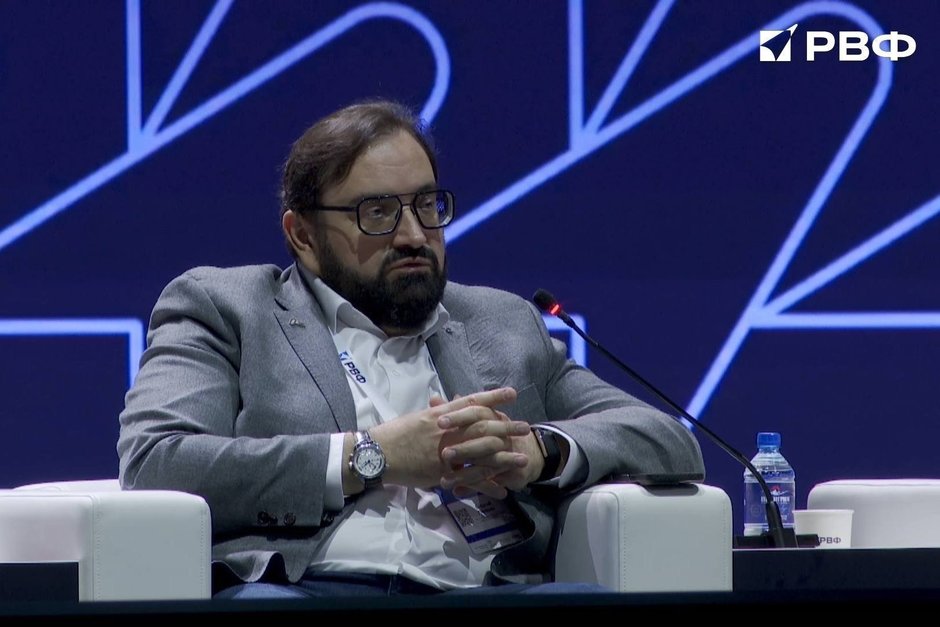
The venture market in Russia narrowed in 2025, experts say. The year 2026 also promises to be difficult, Sergey Gayvoronsky shared with a Realnoe Vremya correspondent on the sidelines of the Russian Venture Forum.
— We will need to get through it. For companies and businesses, the priority is simply to survive, keep the team together, and maintain liquidity. So we need to be careful and cautious, — he urged.
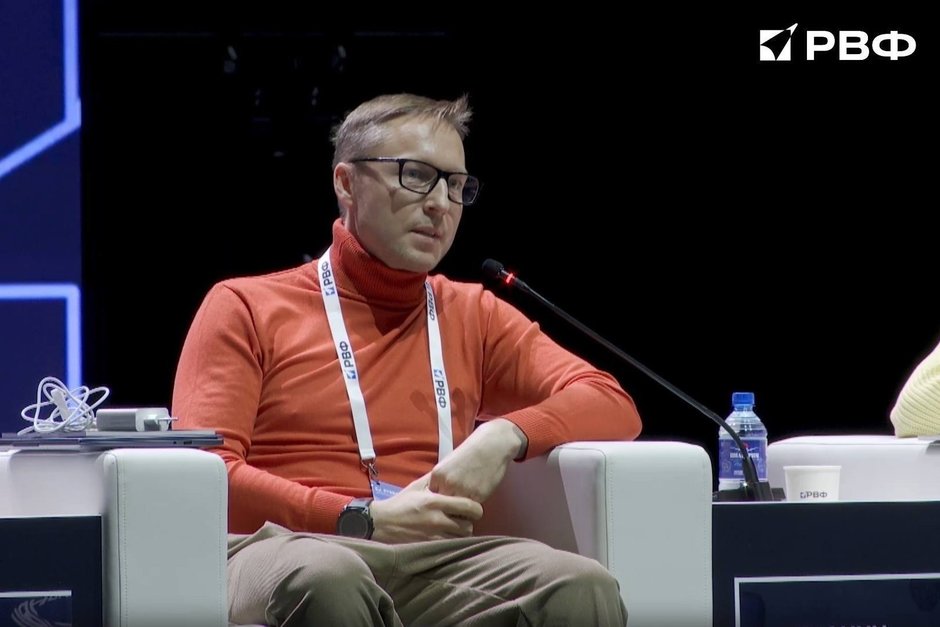
Trends will be dictated by professionals: “hot heads” have left due to high interest rates; it's easier for players to put money on deposit than to take risky steps, said Ayk Dzhulakyan, Managing Director for Partnerships and Communications at the Moscow Venture Fund, during a panel discussion titled “Venture Landscape: Who's Still in the Game?” Investment volume fell by 12% last year. Corporate activity declined: the volume of their investments fell nearly fourfold.
As a result, private funds are in charge: their share, conversely, grew from 28% to 58%. It is private funds that possess the hyper-flexibility to quickly adapt strategies to emerging “black swans," believes Anton Pronin, Managing Partner of Malina Ventures JSC.
— We see a class of companies that have learned to grow dynamically and achieve revenue traction in current conditions. It seems to us that if the macroeconomic situation normalizes, they could earn many times more. We are trying to find such professionals and invest in them, — he said.
Many private funds are currently not ready to invest in startups at an early stage of development; more mature companies are a priority. “There's no point in shaming us for this; we're here to make money," said Anton Pronin.
The average deal size in the venture market has decreased today, but the median, conversely, has grown — from 17 million rubles to 30 million, noted Ayk Dzhulakyan. As Pronin suggested, this is related to tranche deals, where the average check might be, for example, 20 million initially, then grows as the startup meets its KPIs. In the future, the amount will increase, he believes. Startups themselves will be the driver: as they develop, they will also raise the check size. “For a growth-stage startup, a 20 million check is essentially unnecessary. It would burn through it in 1–2 months. That means we're talking about checks of 100–150 million.”
Business angels are leaving the market
Business angels, who in previous years formed the backbone of the early-stage venture market, have significantly reduced their activity. The drop in investment volume reached nearly 80%, and the number of deals fell by 40%. According to Vitaly Polekhin, President of the International Organization of Investors Investoro and Managing Partner of the Creative Venture Fund, the high key rate played a role.
— This is a temporary situation. Of course, the money will return, — he is confident. — But it certainly won't start with early-stage companies.
At the same time, in today's market, one can find, in his words, not unicorns but camels. These are profitable companies, even though they are at early stages. There are “unusually many” of them on the market. Investors who ignore the early market are missing out on interesting companies, emphasized Vitaly Polekhin.
The most attractive investment sectors have also changed. Industrial technologies take first place, medicine takes second, asserts Sergey Gayvoronsky. This is driven, in particular, by accumulated demand for domestic solutions. Manufacturing companies that took a wait-and-see position after 2022, hoping for the return of foreign offerings, are now switching to Russian technologies and equipment.
New IT technologies are interesting to investors by default, the expert told Realnoe Vremya. They are applicable in a huge number of fields, including industry and medicine.
— If we talk, for example, about virtualization or code writing, some segments are quite saturated. For instance, there's probably no need to enter the operating systems market. Databases have their own leaders, with whom it will be hard to compete. There are also growing segments, such as IT systems monitoring, — shared the Investment Director of Kama Flow.

What hinders the development of domestic venture capital
What problems are hindering the development of the Russian venture market? According to Anton Pronin, many are currently unwilling to provide cash-out opportunities. And why would business angels invest if they can't exit, the expert asks.
Another problem arises at the interface between venture funds and strategics.
— The strategist says: “Thank you, you've worked for five years, and I'll buy you out for a ruble. That's a very good valuation given the current market conditions.” Even though the deal amount might be less than what you spent on office supplies last year. And the deal doesn't happen. In my opinion, in such negotiations, everyone loses, especially the strategist. It wouldn't be a big deal for them to pay, say, 200 million for this data. They could gain a trillion, — believes the Managing Partner of Malina Ventures JSC.