Muslim Spiritual Board of Tatarstan: 75% of halal cafés in Kazan mislead customers
The uncontrolled use of the “halal” label remains a pressing issue, says Abyas Hazrat Shlyaposhnikov
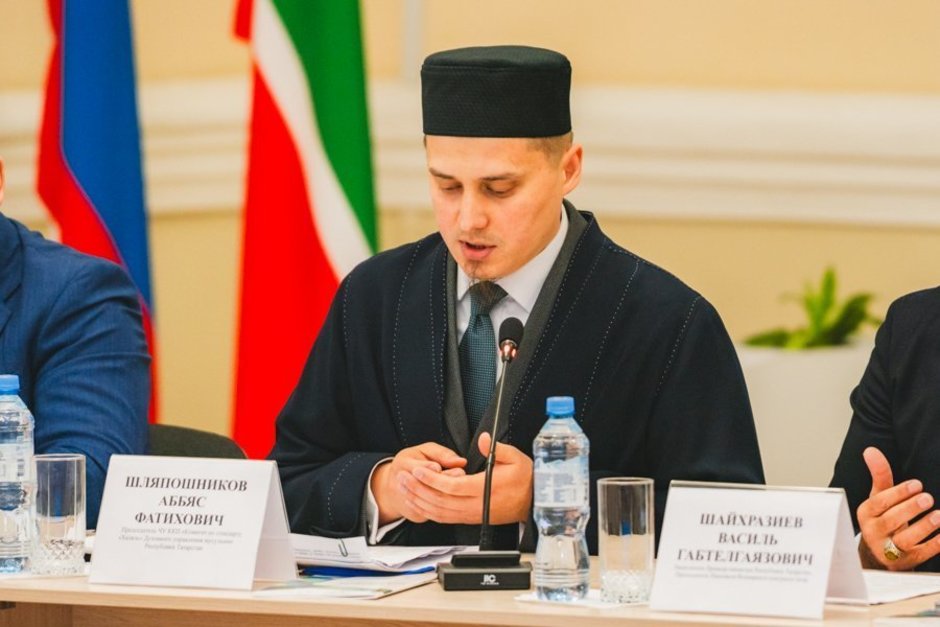
Only 25% of food service establishments in Kazan that present themselves as “halal” possess the required certification, the chairman of the Halal Standard Committee of the Spiritual Administration of Muslims of Tatarstan, Abyas Hazrat Shlyaposhnikov, stated today. “This means that 75% of such establishments are misleading consumers, which undermines trust in the entire system,” he believes. The problems and prospects for the development of the industry in the republic were discussed at a round table discussion dedicated to the introduction of halal food systems in enterprises. Read more details in the report by Realnoe Vremya.
Only 10% of “halal” companies have entered export markets
Last year, Tatarstan exported halal products worth $14 million, deputy agriculture minister of the republic Rustem Gainullov reported.
“In the past year, intensive work was carried out. In 11 months, by 1 December, [exports amounted to] $38 million. We have revised our target: we had set $40 million, and, God willing, we will meet it by the end of the year,” the speaker said.
According to Gainullov, Tatarstan has around one thousand processing enterprises in total, of which about 200 hold halal certificates. Only around 20 companies operate on export markets. They ship confectionery, meat and dairy products abroad.
“Our main products are, of course, confectionery. The enterprises work with countries of the Customs Union, Saudi Arabia and Jordan,” the speaker noted.
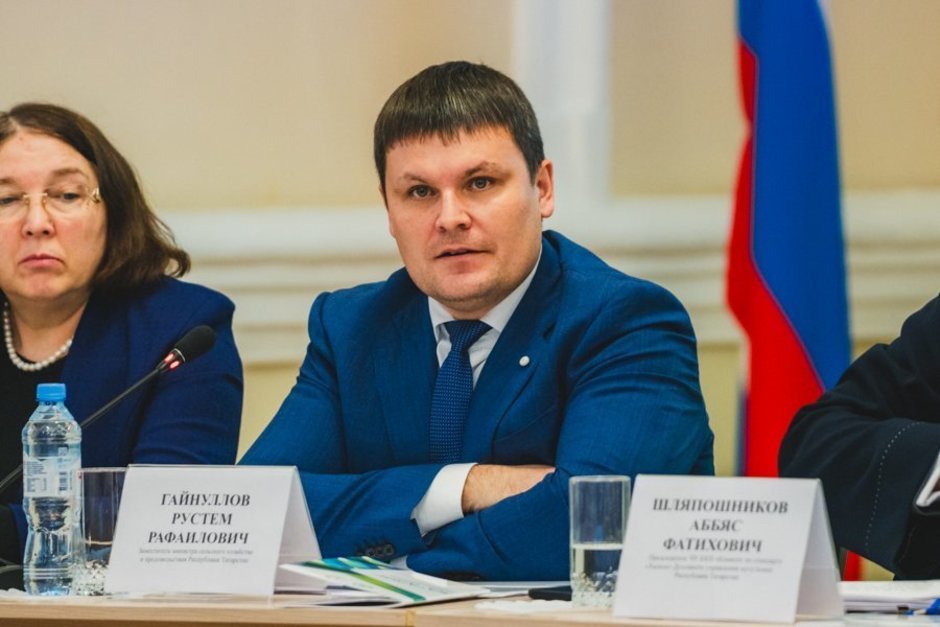
Tatarstan also supplies meat and dairy products to Muslim countries, with Egypt, Oman, Algeria and Jordan among the target buyers. Annual export growth rates for halal products stand at 10–15%, Gainullov stressed. He recalled that the federal government has set the target of reaching $898 million by 2030.
“A coordinated effort must be built, and new enterprises need to be involved in the process. The task is to create new production capacities. We must reach a new level,” the deputy minister of agriculture said.
As for the agro-industrial sector overall, from 1 January to 23 November Tatarstan exported products worth almost $384 million. The plan has been fulfilled by 87%, Gainullov stated. Last year, exports for the same period amounted to $387.5 million, and $470 million in total for 2024.
Fake halal certificates may result in fines from Rospotrebnadzor
Violations of halal standards by major enterprises in the republic have become less frequent, said Tatyana Rybachenok, deputy head of the nutrition hygiene supervision department of Rospotrebnadzor in Tatarstan.
“Previously, we registered cases where products were found to contain DNA of raw materials that were not declared. For example, the label would state ‘beef’, while DNA of chicken or something worse would be detected. Recently, such cases have become much rarer,” she reported.
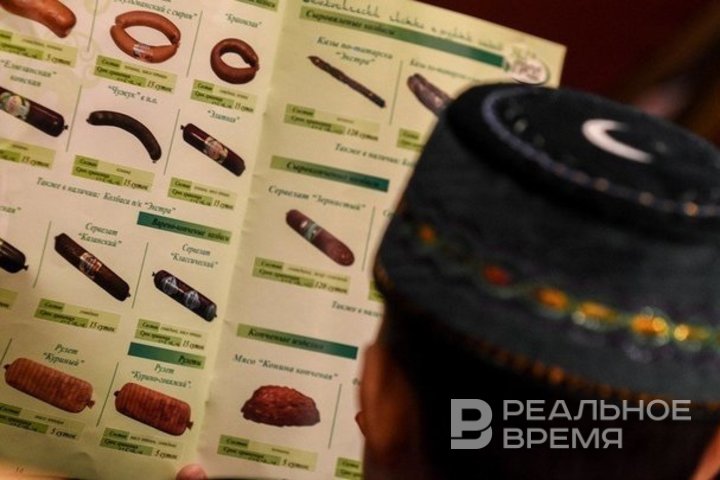
Rospotrebnadzor may impose sanctions on producers who use halal labels but cannot provide proof that their products comply with Islamic norms. The absence of relevant justification constitutes a violation of technical regulations and may result in a fine, Rybachenok warned.
Only a quarter of ‘halal’ establishments hold certificates
One of the most pressing problems remains the uncontrolled use of the halal sign, stated the chairman of the Halal Standard Committee of the Spiritual Administration of Muslims of Tatarstan, Abyas Hazrat Shlyaposhnikov. An analysis carried out in 2024 revealed discouraging results.
“Today we are discussing the aspects of implementing halal standards for food service enterprises. Only 25% of food service establishments in Kazan that position themselves as ‘halal’ possess the relevant document. This means that 75% of such establishments mislead consumers, which undermines trust in the entire system,” he said.
Over 2023–2024, the committee recorded 13 complaints related to illegitimate use of the halal sign. Of particular concern is the fact that 15 certification bodies operate in the Tatarstan market, issuing documents without conducting the necessary inspections or visiting foodservice establishments, Shlyaposhnikov emphasised.
This problem has repeatedly been raised by other industry representatives.
“We Russians hold a dubious anti-record for the number of various offices, centres and committees staffed by one and a half people without Sharia or technological education, who studied half a year in a madrasah. Their activity is aimed at selling colourful pieces of paper they call halal certificates,” lamented Aidar Hazrat Gazizov, director general of the International Centre for Halal Standardisation and Certification under the Spiritual Administration of Muslims of Russia, speaking at KazanForum in May.
According to Abyas Hazrat Shlyaposhnikov, concerns are also raised by:
- systemic risks in logistics chains;
- the absence of a unified traceability system;
- the creation of a real risk of mixing products that comply and do not comply with Islamic norms.
The most acute situation is observed in the segment of baby food, he stated.
The speaker named the establishment of an interdepartmental working group to oversee dishonest market participants as the primary step toward solving the issue. Equally important is the development of a digital traceability platform that would allow monitoring the movement of goods at all stages of supply.
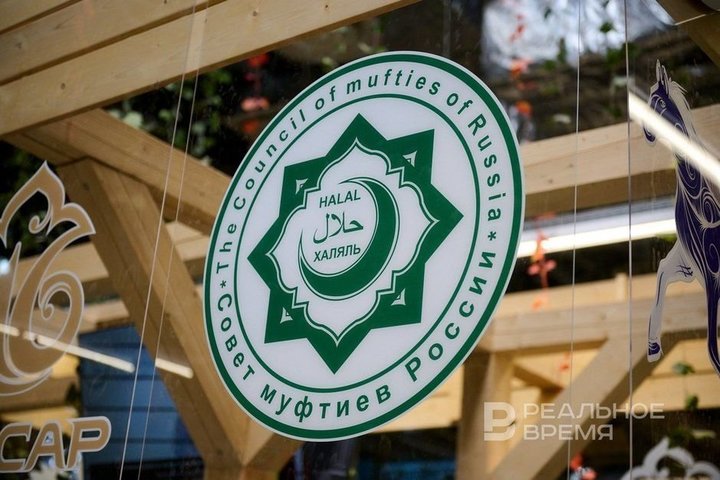
Serious systemic challenges have also arisen in the field of standardisation. For instance, the relevant GOST lacks requirements regarding the auditor’s religious affiliation, which contradicts international practice. It contains no provision for the ijazah mechanism, which deprives religious organisations of the ability to control the competence of certification bodies. “All this diverges from the international practice of the Organisation of Islamic Cooperation, Gulf countries and Malaysian standards, and may lead to further devaluation and ambiguity of the concept of ‘halal’ in the Russian Federation,” warned the chairman of the Halal Standard Committee of the Spiritual Administration of Muslims of Tatarstan.