Could investment in Russian real estate collapse by the end of 2025?
Experts forecast a decline of almost 40%, but realtors call the estimates exaggerated

According to forecasts by IBC Real Estate, by the end of 2025 the volume of investment in Russian real estate will decrease by 39% to 800 billion rubles. However, experts interviewed by Realnoe Vremya reacted extremely sceptically to this idea. They expressed confidence that the market is entering an active phase and will be able to recover its indicators in November–December. More details are available in the outlet’s report.
A 39% decline in investment
In Russia, the volume of investment in real estate by the end of 2025 may decrease by 39% compared to 2024, to 800 billion rubles. This was reported by Alexey Yefimov, CEO of IBC Real Estate.
“The volume of investment transactions in the real estate market by the end of 2025 is forecast at 800 billion rubles (-39% year-on-year),” he was quoted as saying by TASS.
According to Yefimov, the decline in investment is connected with the normalisation of the market after two years of peak values.
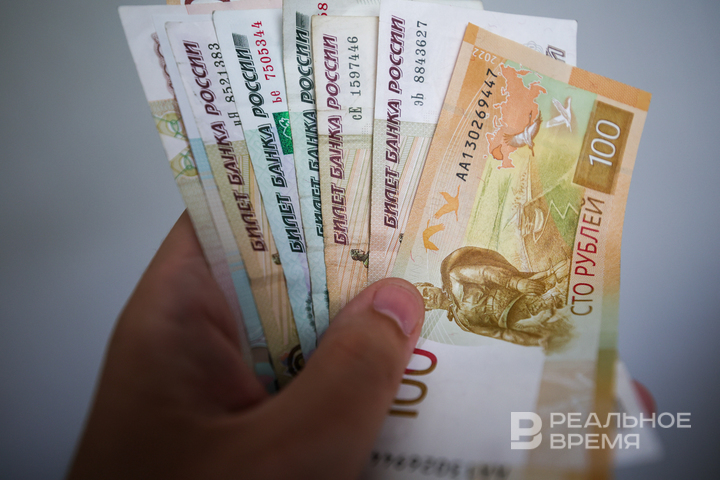
Statistics for January–November 2025 already show a significant decline in investment activity. The total volume of investment in Russian real estate amounted to 723 billion rubles, which is 33% lower than in the same period last year. The most notable decline is observed in the office real estate segment (-52% compared to the same period last year) and residential real estate (-52%). Investment in warehouse facilities decreased by 27%, while retail real estate showed 99% annual growth.
“People continue to invest in real estate”
The head of Quartet Real Estate Agency, Rustem Safin, expressed serious doubts in a conversation with Realnoe Vremya about such a pessimistic forecast — the stated figures are unreasonably high.

According to Safin, in the context of a decreasing key rate, real estate retains its attractiveness as a reliable asset. Both private investors and businesses continue to view this market as a promising investment direction.
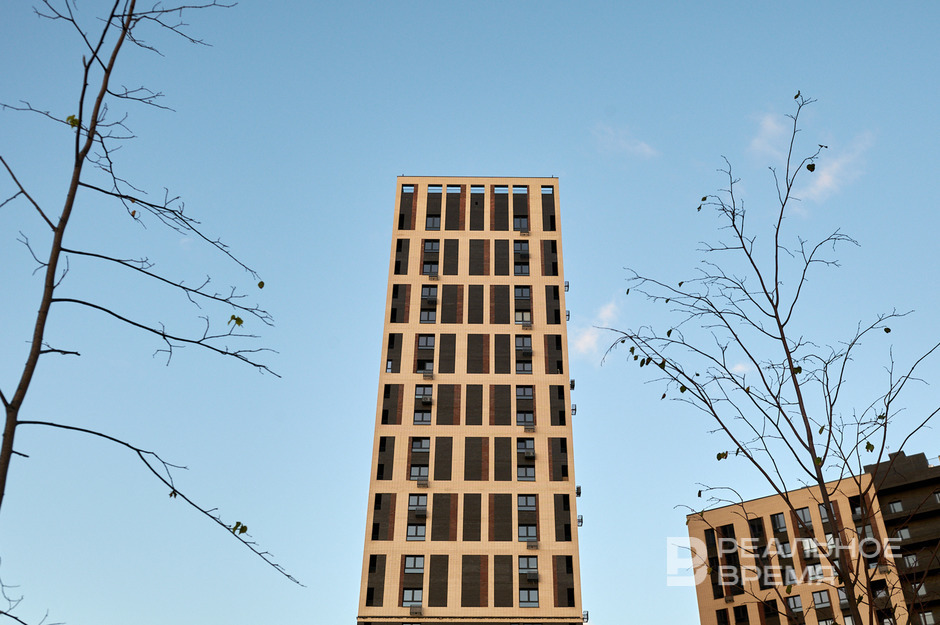
He acknowledged certain challenges in the current market situation and noted that a slight decrease may indeed occur. However, he sees no clear external factors for a major downturn.
“Right now, the payback period in commercial real estate is more than 15 years — that’s normal. Everyone wants to find a unique unit, cheap and highly profitable, but such cases are rare. Therefore, people continue to buy what is available — the most liquid assets. There is less interest in illiquid housing, and more in liquid real estate: commercial, office, retail, and warehouse,” he said, describing investor behaviour.
“You count your chickens in the autumn”
Another expert interviewed by Realnoe Vremya — Anastasia Gizatova, head of the Happy Home Real Estate Agency — also reacted sceptically to the forecasts of a collapse in investment in Russian real estate. She expressed the opinion that it is too early to draw conclusions.

Gizatova also allowed that some reduction may occur due to a decrease in investment instruments:
“Even if they (the investments — editor’s note) are lower, it will be because there are fewer instruments for investing. And the main instrument for many investors has been preferential mortgages. Since preferential mortgages are becoming less available, this money is not entering the market.”

The expert noted that the new housing market has historically depended on state support programmes, but she does not consider the situation critical. On the contrary, she sees heightened demand against the backdrop of potential termination of preferential mortgage schemes.
“The new-build market has been supported primarily by preferential state programmes. As their number decreases, the investment volume also decreases. But it will not be as catastrophic as predicted. With the threat of family mortgage programmes being cancelled, families are rushing to jump on the last train and buy housing at 6%,” she concluded.