TNV TV company has prepared a film about the construction of the Kazan defensive line
The film “The trench” will be shown on may 9
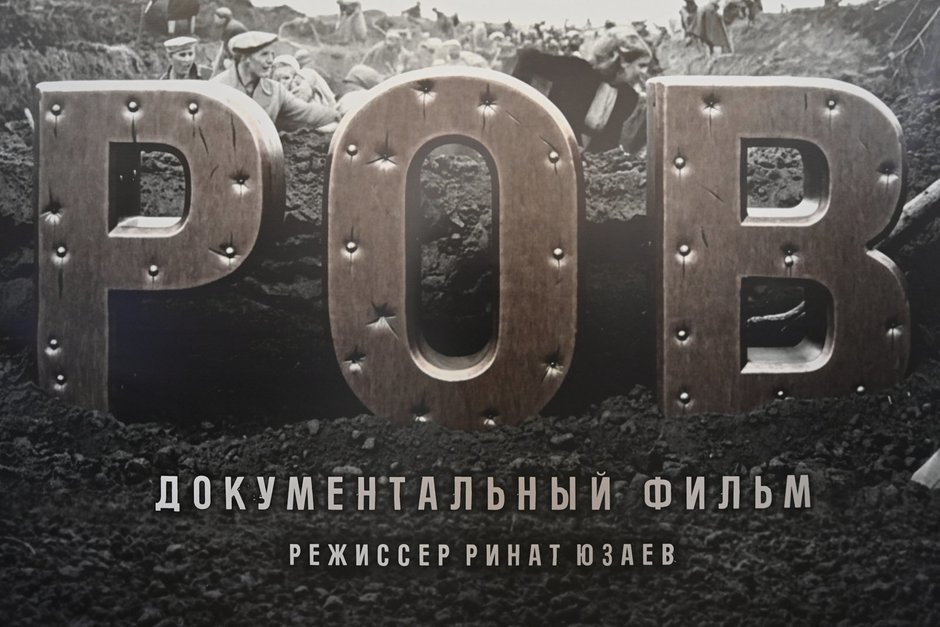
The documentary film “The Trench” from the TNV TV channel was shown for the first time at the “Mir” cinema. Director Rinat Yuzayev tackled the complex subject of home front history — the construction of the Kazan Defensive Line. The public will see the film on television on May 9 at 6:00 PM.
A system 331 kilometers long
The Kazan Defensive Line, stretching 331 kilometers, was built in the autumn and winter of 1941–1942 to protect against the advancing Germans. It included not only trenches, scarps, and counter-scarps but also command and observation posts, concealed firing points, pillboxes, and dugouts.
The defensive line was the longest part of the Volga Defensive Perimeter. The Tatar ASSR mobilized residents of Kazan and the Apastovo, Kaybitsky, Buinsky, Tetyushsky, Nurlatsky, Verkhneuslonsky, Baltasinsky, Tsipyinsky, and Vysokogorsky districts for its construction. They worked with simple tools — shovels, picks, crowbars... To help the villagers, students were sent to the villages, where they lived in the villagers' homes. No food was provided: as one female worker recalls, her mother would take a piece of bread in the morning, which would freeze solid in the cold. That's what she ate.
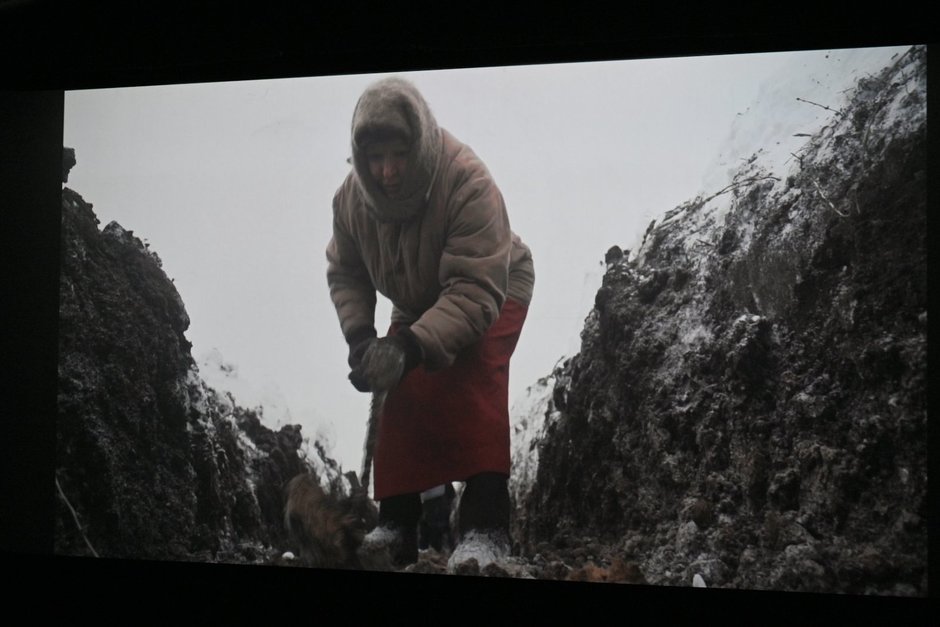
In January of this year, a film crew shot scenes illustrating this work. Residents of the village of Ulyankovo in the Kaybitsky district — both adults and teenagers — took part. According to Rinat Yuzayev, they were able to feel, very approximately, what people felt in the early 1940s. In January, there was a frost of about -10 degrees Celsius, but not only the actors dressed in padded jackets were freezing, but also the bundled-up TV crew. In 1941–1942, the temperature in these parts dropped to minus 40 to minus 50 degrees, noted local historian Ramis Khayaliev.
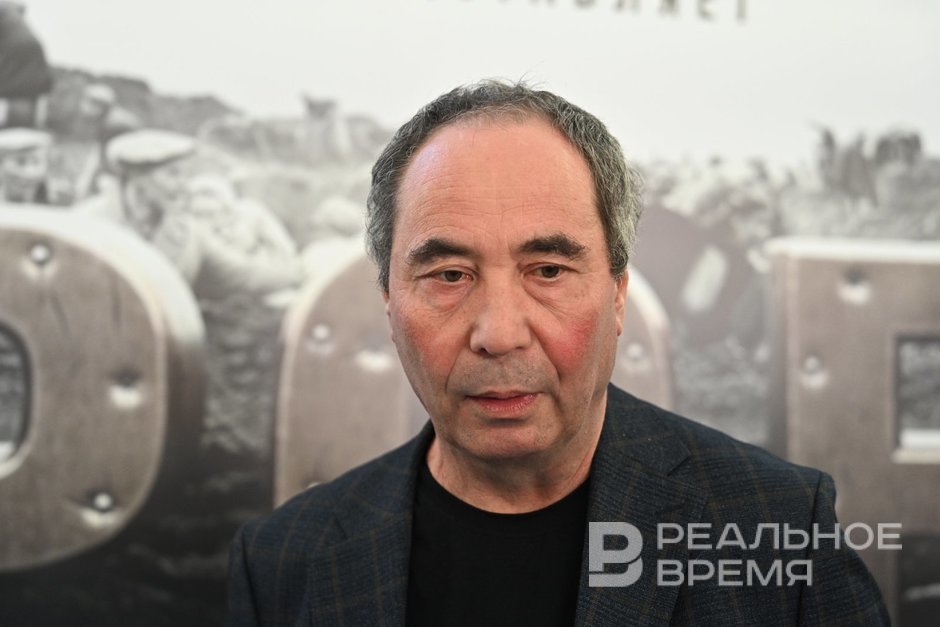
— Thanks to our friends in Kaybitsky who hired an excavator to dig this trench, — said Yuzayev. — About 40 people, grandfathers, grandmothers, boys, and girls, dug during the filming. Thank you to Ulyankovo, Bolshoye Podberezye, Starye Chechkaby... You know, we filmed for two days in those steppes — we were so cold! I can't imagine how people could work like that from morning until night.
Where the musical comedy was born
Not only students and peasants dug the defensive line. Alongside them were Kazan State University rector Kirill Sitnikov, academicians Boris Arbuzov, Gilm Kamai... Khayaliev noted that the entire staff of the Kazan Radio Committee arrived in Starye Chechkaby to work at that time, led by Adel Kutuy. Among them were, for example, composers Rustem Yakhin and Jaudat Faizi.
There, Jaudat Faizi was offered by Kutuy to write “something cheerful.” And so, in these harsh conditions, the idea for the musical comedy “Chuvilki” (“Bashmagym”) was born, which was performed on March 1, 1942, shortly after the work was completed.
Also valuable to the film are interviews with real participants in those events: Amina Gabidullina from the village of Starye Chechkaby, Fairuza Fatykhova from Burunduki, and Anna Chinkova from Verkhneye Podberezye. The film is supplemented by local historians — Ramis Khayaliev, Oleg Kaleev, historian Lyudmila Kuznetsova, and Il dar Shakirov, director of the Kaybitsky Krai Museum.
The film uses not only eyewitness accounts and archival footage that preserved episodes of the defensive line's construction. It also includes specially filmed dramatic scenes, and the action itself unfolds from the perspective of a 15-year-old girl — as the credits indicate, her name was Saima Raimova, who also worked on the line. As did 107,000 other people. After the defeat of the Nazi troops near Moscow, the defensive line was decommissioned.
“I never knew it was like this”
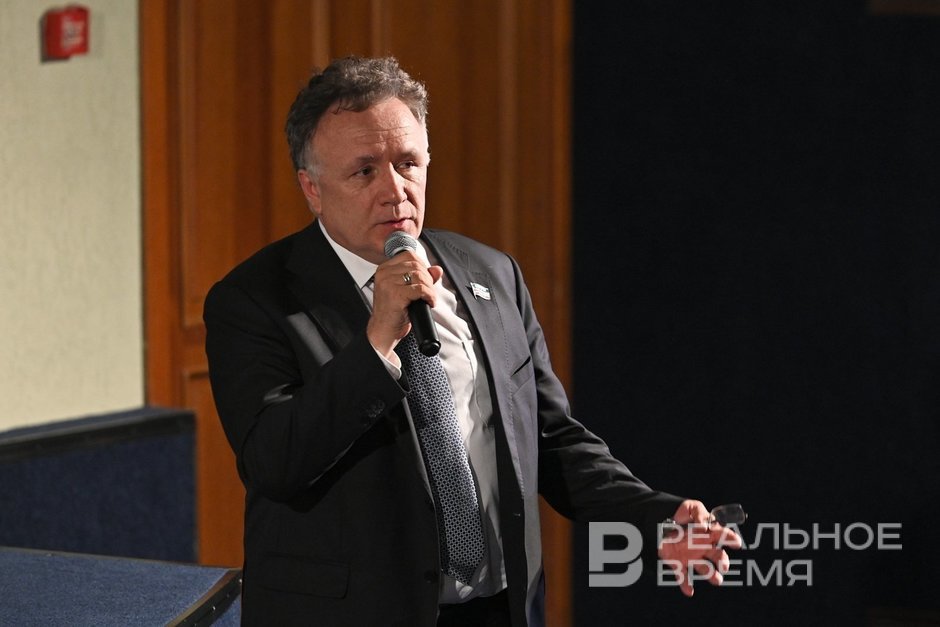
— You know, the task of a documentary film is to tell the unknown about the known, — said the film's executive producer, TNV General Director Ilshat Aminov. — Everyone has heard about the Kazan Defensive Perimeter. I, too, had heard a lot about it. I never knew it was like this. I never knew that all this was done by people who had no excavators, no tractors, nothing at all; they did everything by hand. And they built this 300-kilometer defensive line.
— The most important thing is that even now in the soil of Tatarstan, if you travel through these districts, you can still see these trenches. A huge thank you to the creative team for capturing for history the real witnesses, who are now very old, who actually dug those trenches. They documented these testimonies, these trenches, — Aminov added, noting that the newsreel footage showing the construction of the defensive line is unique, found in the archives.
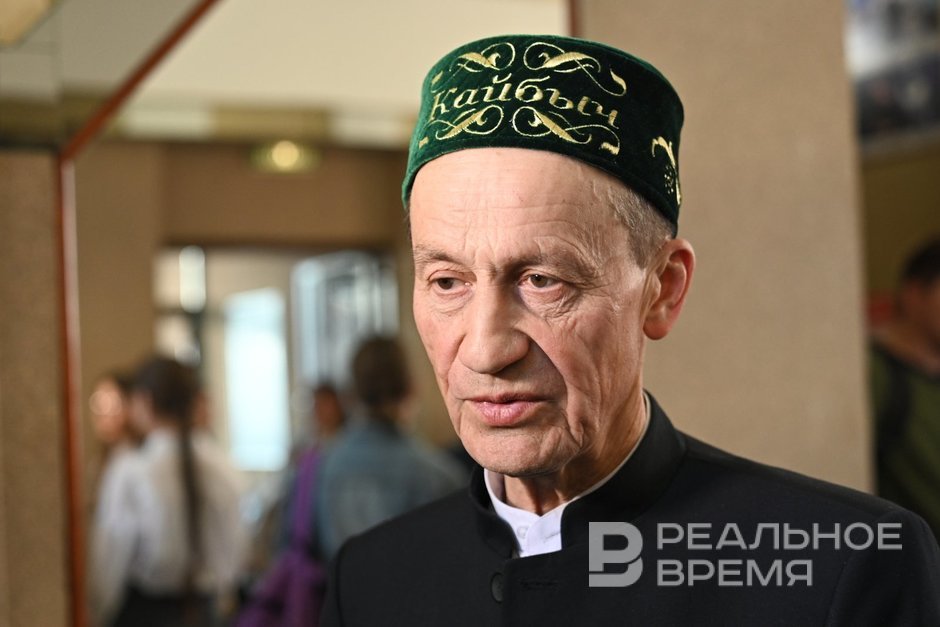
The scriptwriter, Ilzira Yuzayeva, noted that the sad details of the Kazan Defensive Line's construction are being revealed for the first time — previously, dry statistics said there were no casualties:
— But when we met with the participants of the events, searched for and uncovered documents, it turned out there were many dead, — said Yuzayeva. — People did not make it home; people's children at home died while they were in the field. Can you imagine what grief that was... For the first time, this data has been made public. I cannot watch this film calmly.
Therefore, the film ends with a poignant recitation of funeral prayers in two languages. Viewers can see what many of the heroes looked like in their youth. The film's sense of anxiety and drama is enhanced by original music by Radik Salimov.
We remind you that the Kazan Defensive Line was recognized as a cultural heritage site in 2024. And in 2021, the Russian Military Historical Society and the Russian Academy of Sciences supported the idea of creating a memorial.