Will Kazan’s shopping centres soon be working mostly to pay taxes?
Rising tax pressure on commercial property leaves owners choosing between repurposing or selling their business
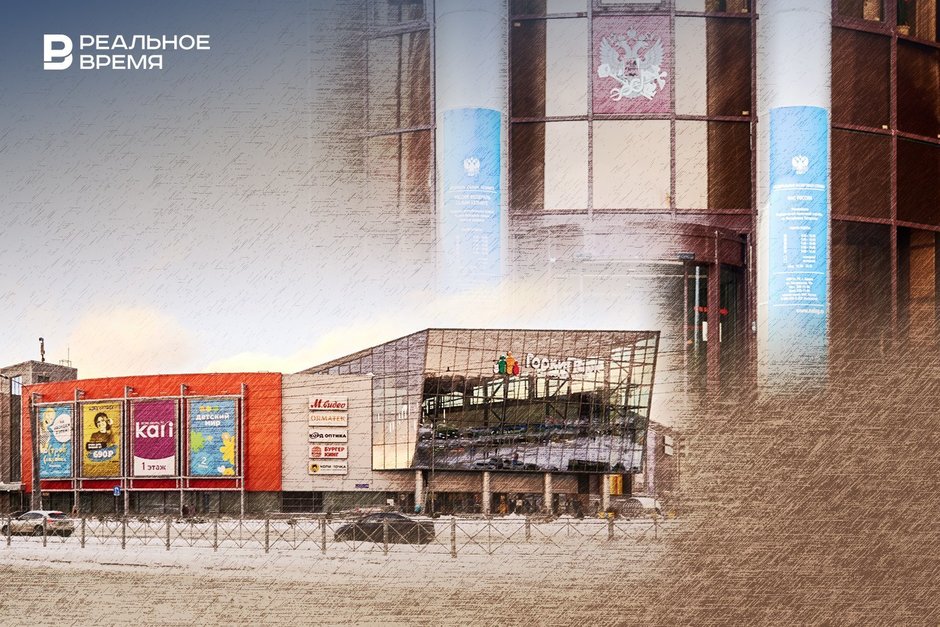
Property tax on shopping centres in Tatarstan may soon reach 50% of their revenue. Following the example of St Petersburg, the republic this year sharply increased the property tax rate for facilities larger than 1,000 square metres. While the regional tax service has not disclosed how much shopping-centre owners will pay by the end of 2025, experts interviewed by Realnoe Vremya believe that under mounting tax pressure, owners of such properties will begin either to repurpose their businesses or to dispose of them altogether. Read the details in our material.
Rates are rising, benefits are falling
From this year, capital construction facilities with a cadastral value exceeding 300 million rubles are subject to a tax rate of 1.2%. However, for shopping centres with a total area of more than 2,000 sq m located in Kazan, Almetyevsk, Nizhnekamsk and Naberezhnye Chelny, the rate is 2%.
At the same time, shopping centres larger than 2,000 sq m located in settlements with a population exceeding 145,000 are not eligible for the 60% property tax relief, and from 2026, the tax rate for such properties will increase to 2.5%.
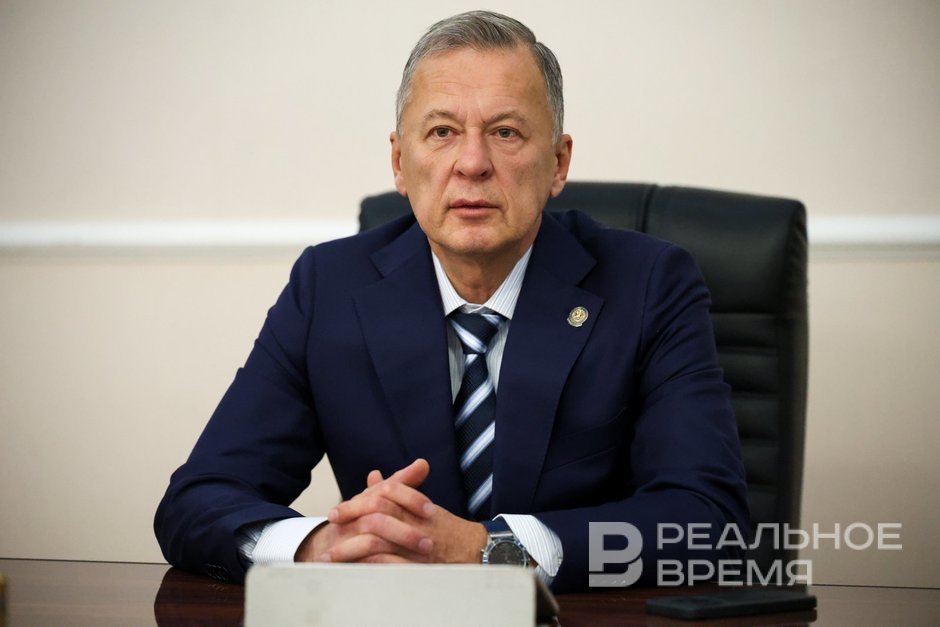
“The 1.2% rate for 2025 will apply to 34 properties, with the projected tax amount totalling just over 190 million rubles,” the head of Tatarstan’s Federal Tax Service, Marat Safiullin, told Realnoe Vremya. He added that 21 properties with cadastral values above 300 million rubles belong to private individuals, and the total tax due on these for 2025 will be determined in 2026.
Taken together, these changes threaten a significant rise in tax charges — sharper than in previous years, when the main driver of growth was an increase in cadastral value, especially in Kazan and other major cities of the republic.
Revenue up 19%, property tax up more than threefold
Realnoe Vremya has requested data from the Federal Tax Service on property tax amounts charged to major Kazan shopping centres in 2024 and 2025. The results will be published once received.
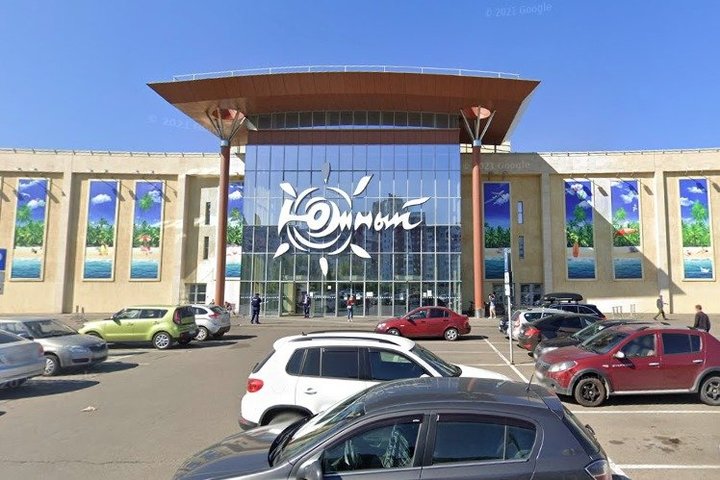
According to SPARK-Interfax, revenue growth in 2024 for major Kazan shopping centres subject to the highest tax rate ranged from 9% (Gorki Park) to 19% (Yuzhny).
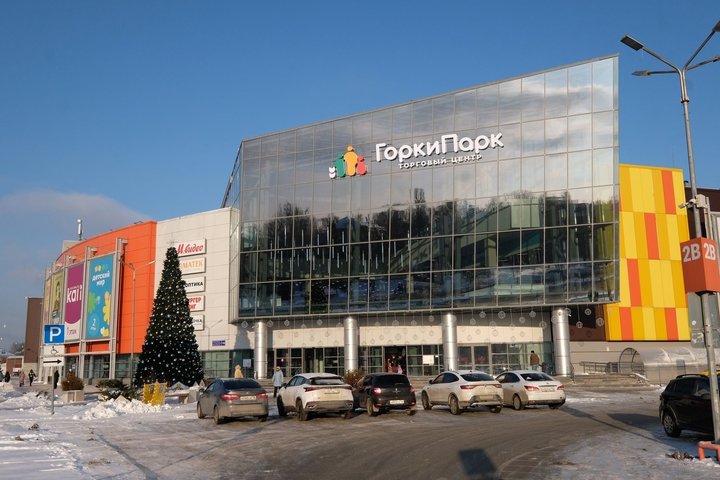
Meanwhile, property tax for the same period increased by 308% for the owner of Mega, 237% for Gorki Park’s owner, and 154% for the owner of Kazan Mall. The owners of Yuzhny and Park House paid 17% and 5% more respectively.
In 2024, property tax for the owners of major Kazan shopping centres amounted to between 4% (Ramo-M, Park House) and 20% (the Orlyonok Hotel Complex, Korston) of their revenue.
In St Petersburg, where the situation mirrors Kazan’s, the reassessment of cadastral value increased the value of commercial and office real estate by an average of 40%. Igor Vodopyanov, head of the Teorema management company, stated that, by his calculations, property tax for the T4 business centre at a 1.5% rate, combined with other costs, will consume all its earnings for four months, and at 2% — for six months.
“An increase in rental rates is expected”
“Next year, rental rates across all segments of commercial real estate are expected to rise,” confirmed Elena Stryukova, Tatarstan representative of the Russian Guild of Property Managers and Developers.

She cites several reasons:
- The minimum wage will rise by more than 20% from January, which means that all service providers will increase their prices. “We are already receiving notifications and requests for such increases from security firms, cleaning companies and engineering service providers,” the expert said.
- The rise in VAT and the reduced income threshold for VAT under the simplified taxation system mean that landlords on the general taxation system will automatically raise rates by 2%, while many using the simplified system will have to add 5–7% to rental rates.
- The increase in cadastral values.
Stryukova noted that over the past five years, operating expenses for commercial real estate have been increasing by an average of 20% annually, with the growth range between 15% and 30% depending on the year.
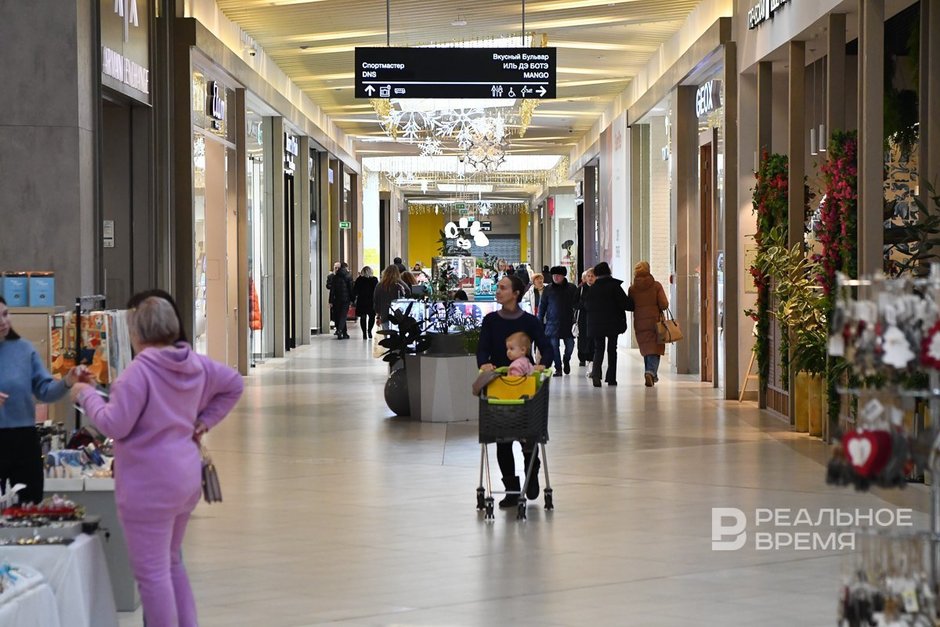
“Yet I do not know a single property with long-term leases that provide for such indexation of rental rates,” she said. “In some cases, an ‘open-book’ system is used, where tenants are billed for the actual costs of maintaining the building — but such cases are rare.”
Against the backdrop of declining retail turnover across most business categories and the high cost of borrowing, there are no visible sources for tenants to absorb rising rental expenses, she stressed. This means a new wave of reductions in leased space, optimisation of premises and a shift in demand to the lower-price segment. In these conditions, she believes, competent management of commercial properties and cost optimisation become especially important.
“Shopping centres really do have to work for months just to pay tax”
“The increase in cadastral values — the reassessment — is happening everywhere. And in Tatarstan, a 2% tax on cadastral value from 2025 applies not only to properties above 2,000 sq m, but also above 1,000,” said Vladimir Shaikhiev, CEO of A-Development. “Since cadastral values rise over time, tax amounts rise too. And indeed, under these conditions and with tenant outflow, shopping centres really do have to work for several months just to cover the tax. But there are other mandatory payments that must be remembered.”

The Realnoe Vremya expert listed other constantly rising expenses: utilities, VAT and payroll. At the same time, cutting costs at tenants’ expense is impossible — raising rental rates to reflect rising costs risks losing existing tenants and failing to attract new ones, especially as offline retail is shrinking and being replaced by online marketplaces.
Shaikhiev believes the solution lies in properly reformatting business models: using freed-up space for food courts, entertainment venues, sports and children’s areas.
Moreover, he said, this must be a new format — not the old cinema model, but something designed for a more discerning visitor. Sport is in high demand, and shopping centres have the space to convert areas into facilities for padel tennis, mini-football or martial arts.
But he warns: sports businesses have low margins, so they cannot pay high rental rates. The answer, he believes, lies in state intervention — as the state is interested in a healthy population. Such formats could revive shopping centres if subsidised when hosted in malls. Special conditions, he argues, should apply to the centres themselves rather than to sports operators, in the form of state subsidies.
He cited Suvar Plaza as a successful example of reformatting, noting that success is possible only where structural features, location and parking are taken into account. “Any large-scale reconceptualisation requires serious investment and leaves no room for error — everything must be calculated correctly from the start.”
“In any case, everyone will be forced to adapt, because in their classic form shopping centres are becoming obsolete.”
“It bodes nothing good for owners”

He noted that “advanced” shopping-centre owners know everything about the tenant’s situation, the effects of seasonality, and can forecast financial stability — and use this knowledge. By contrast, in centres operating “the old-fashioned way”, rental rates have not risen much, more often their growth has halted — because continuing to raise prices would simply empty the premises.
The problem, Chikirov said, is being tackled in two ways: owners either transform their centres (a process well underway) or put them up for sale.
“We have several shopping centres on the market — in Ulyanovsk, in Ufa, and two in Nizhnevartovsk. Some owners are clearly considering leaving the business. I cannot say there is a nationwide sell-off, but there are examples of sales — which is a signal that transformation is needed. Without it, they will die — the market will regulate everything itself.”
“Adaptation is the only option”
“The rise in cadastral values and property tax will undoubtedly affect the profitability of shopping centres,” said Sergey Karpukhin, deputy chairman of the Tatarstan Chamber of Commerce and Industry. “Especially against the backdrop of pressure from online retail, as people — especially young people — increasingly prefer marketplaces over physical shops. Profitability will fall; the question is by how much, because shopping centres differ greatly in traffic and popularity.”

These issues were discussed at an early stage in the Chamber of Commerce and Industry, when there was still hope that something could be changed. Now that the mechanism is in motion, owners and managers can only adapt and comply with the law.
According to Karpukhin, adaptation is possible through optimisation of business processes and expenses — though each centre will have its own path forward.