Kazan records highest number of vacant warehouses in four years
Yet major business players have nowhere to move in
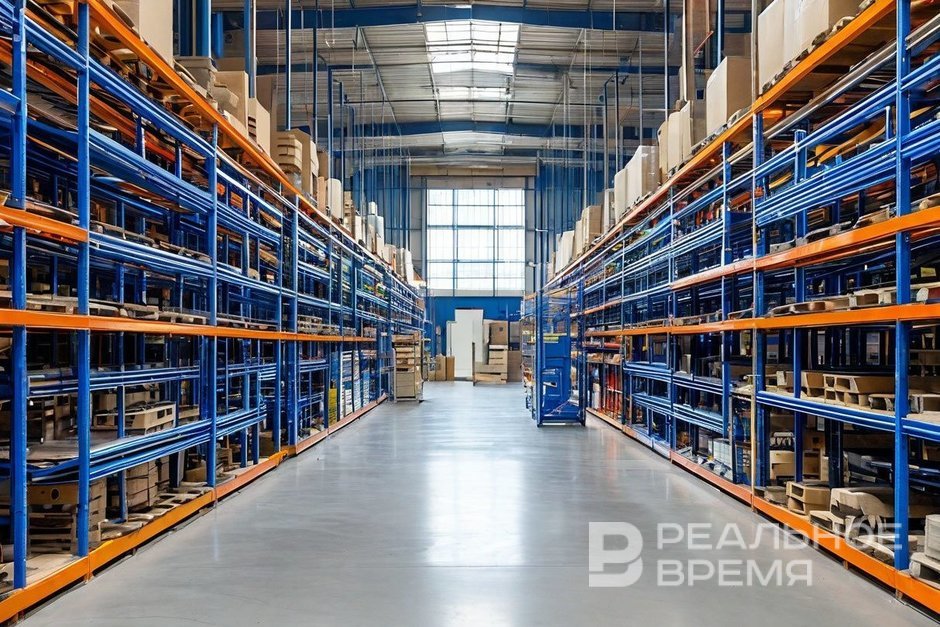
As of the end of September 2025, the total volume of warehouse space in Russia reached 70.9 million square metres, according to IBC Real Estate data available to Realnoe Vremya. Of this, 3.1%, or 2.2 million square metres, falls on Kazan, making it one of the key regional logistics hubs. The city is seeing a record share of vacant Class A and B space, reaching 4.1%. Read more in the report by Realnoe Vremya.
Investment in Russia’s warehouse property plunges 5.5-fold
In the warehouse market — as in other commercial real estate segments — construction is growing, yet rental rates are stabilising and demand is falling. Investment in warehouse property has dropped to 100 billion rubles, a third below last year’s level. In the third quarter of 2025 alone, investment fell 5.5-fold. Demand for warehouse space declined by 27% to 3.4 million sq m, even as new supply grew by 80% to 5.9 million sq m.
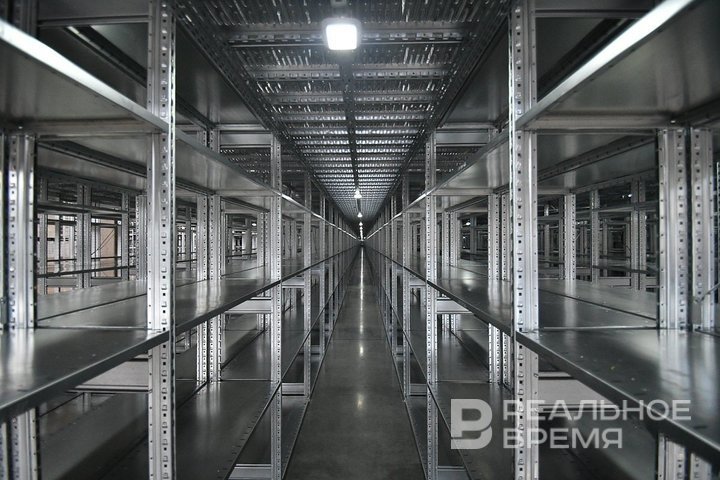
In the first three quarters of 2025, key regional logistics hubs across Russia recorded a surge in warehouse construction. New supply reached 1.433 million sq m — 66% more than last year. Major online retailers became the main market driver, with the largest facilities built for Wildberries in Samara (184,000 sq m), Yekaterinburg (166,000 sq m) and Voronezh (153,000 sq m).
However, demand is moving in the opposite direction. During the reporting period, 757,000 sq m were purchased or leased — 17% less than last year — with online operators remaining the main buyers.
Kazan’s warehouses stand empty as demand outpaces new construction
Kazan shows the reverse trend, with 95,000 sq m of new construction. Yet demand exceeds supply: 124,000 sq m were sold or leased. For comparison, Yekaterinburg added 391,000 sq m of new space over the same period, while demand there totalled just 90,000 sq m.
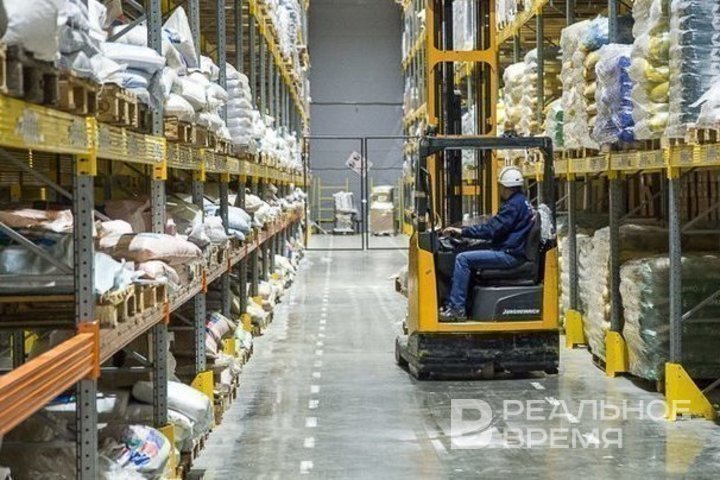
Key lease deals in Kazan in the third quarter included a 62,000-sq-m warehouse in the DorHan technopark for Wildberries and a 1,000-sq-m facility for Iteco in the Estachi logistics centre. At the same time, key commissioned facilities included the 27,000-sq-m Zelenodolsk industrial site and the 15,000-sq-m RAFF+, together totalling 21,000 sq m less than the leased volume.
The capital of Tatarstan ranks second among regional markets in total warehouse stock with 2.2 million sq m. The city now has a record 4.1% vacancy rate in Class A and B warehouses — the highest in four years. In 2024, this figure was below 1%.
Tatarstan has plenty of ‘1,500-square-metre warehouses’, but major players need bigger sites
According to GAB-Invest executive director Kamill Gareev, demand for warehouses in Tatarstan is indeed high, particularly from major companies such as Lenta and SberLogistics. At the same time, investors are actively buying warehouses as rental returns grow, while construction or purchase remains cheaper than acquiring retail buildings. “In our practice we’ve seen this: building a warehouse costs 70 million rubles, including 30 hundred sq.m. of land, yet it was being sold for 64 million,” Gareev said.
However, most warehouses on the market are small, up to 1,500 sq m, as they are easier to build and commission. Major players, meanwhile, are looking for much larger spaces, which are in short supply.

He added that regional authorities support warehouse development, especially near new residential districts. As a result, developers often build 1,500-sq-m facilities because they are the easiest to construct — but many remain empty as they do not meet the needs of large tenants.
“These 1,500-square-metre warehouses are of no interest to major players. They will not split their operations to create industrial parks from them. They need everything under one roof. So we have demand for large warehouses — and a supply of small ones.”
One of the key reasons for the current market situation, Gareev noted, is the high key rate. Many are now less inclined to place funds in bank deposits and actively seek alternative investments. Property becomes an attractive option — from retail buildings like Pyaterochka and Magnit to warehouse facilities, which are cheaper and often more appealing for investors.